



Wondering if caramels are dairy-free? The answer is straightforward.
Traditional caramels are not dairy-free. Most contain butter, cream, or condensed milk. This guide covers the facts about why and what alternatives exist.
Traditional Caramels Require Dairy
Dairy transforms sugar into a smooth, chewy confection. Understanding why requires examining what butter, cream, and milk do during cooking.
Butter and Cream Matter Most
Sugar alone hardens without fat. Butter prevents crystals from becoming grainy. Cream contributes milk solids and fat that create the melt-in-your-mouth texture.
How Milk Chemistry Works in Caramel
Milk proteins and fats interact with caramelized sugar in ways that plant-based alternatives cannot. This is fundamental chemistry producing the smooth finish that defines exceptional caramel.
Condensed Milk as an Efficient Alternative
Condensed milk combines milk solids, fat, and sugar, making it efficient for texture control. Many manufacturers use it, though it lacks the clean flavor of carefully sourced dairy.
Dairy Creates Different Caramel Textures
Dairy content determines texture. Each category requires different proportions to achieve its intended mouthfeel.
Soft Caramels Need Heavy Dairy Content
Products like Salted Butterscotch and Salt-Chocolate require substantial dairy to stay chewy. Without enough dairy fat, sugar hardens and cracks.
Chewy Varieties Balance Dairy with Sugar Ratios
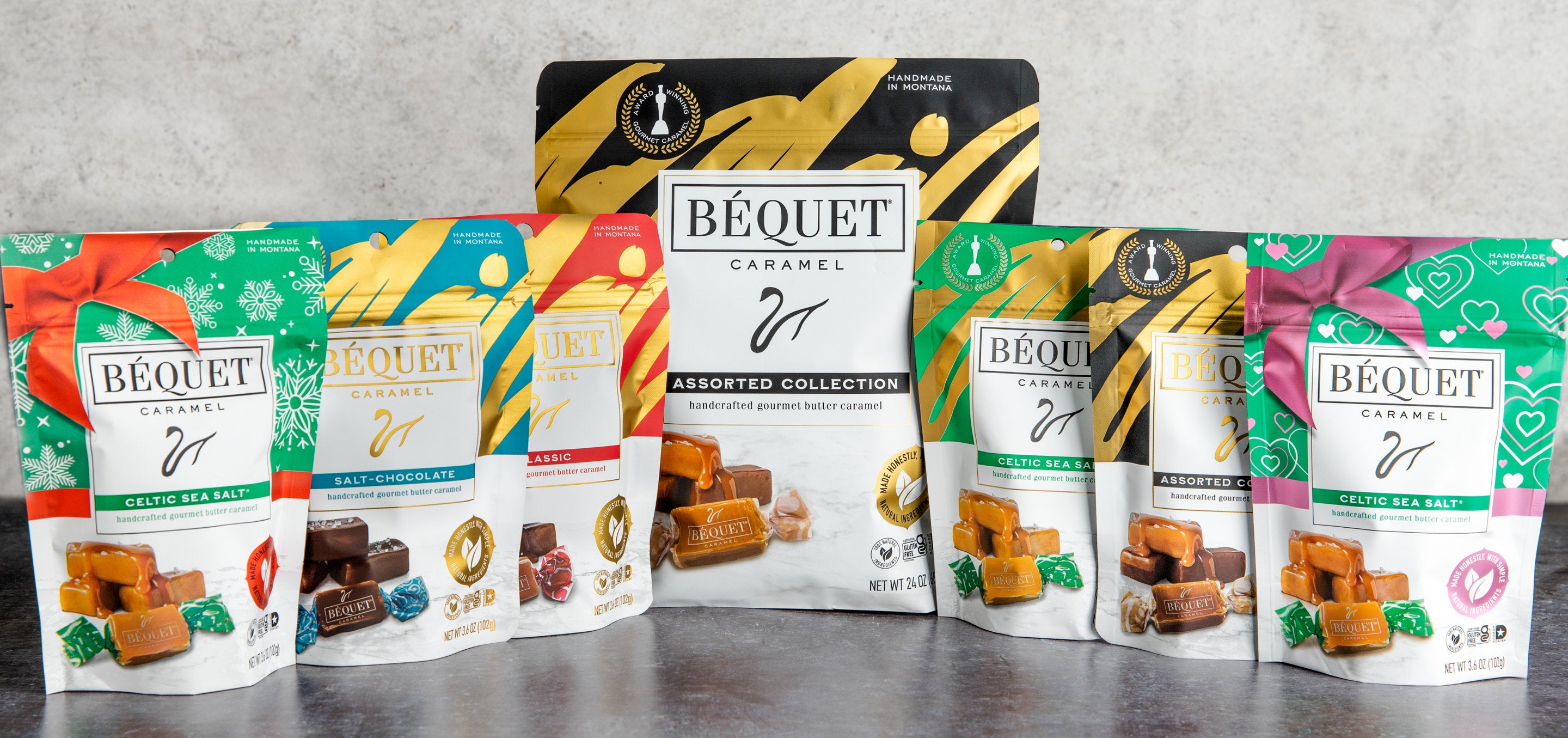
Salted Mocha and Green Apple use moderate dairy. Celtic Sea Salt® Caramel uses antibiotic-free dairy, so the buttery finish complements the salt's mineral notes.
Pourable Sauces Require Maximum Dairy Proportion
Caramel sauces rely on heavy cream or condensed milk for consistency. The glossy shine and smooth melt come directly from dairy.
Identifying Dairy in Caramel Products
Reading labels prevents confusion between caramel color (dairy-free) and actual dairy ingredients. Products can contain dairy-free caramel color while including milk components elsewhere.
The Five Main Dairy Indicators to Look For
Check labels for butter, cream, milk, condensed milk, whey, and lactose. Products hide dairy under milk fat or whey solids.
- Butter (milk fat)
- Heavy cream
- Milk
- Whey
- Lactose
Understanding Caramel Color vs. Dairy
Caramel color is dairy-free and made from heated carbohydrates. It tints food, not flavors it. Béquet lists antibiotic-free dairy transparently because ingredient honesty builds trust.
Dairy-Free Caramel Alternatives
Plant-based options have expanded, offering viable substitutes for dairy avoiders. Each produces different textures and flavors.
Coconut Milk and Cream as Top Substitutes
Coconut milk and cream are most common, matching dairy cream's fat content. Full-fat coconut milk provides the closest texture because coconut solids behave similarly to milk proteins.
Other Plant-Based Options
Vegan butter, cashew cream, and oat cream produce different results. Coconut versions have tropical notes. Oat cream is milder. Vegan butter tastes closer to traditional butter but costs more.
Why Dairy-Free Options Cost More
Plant-based ingredients require additional processing and stabilizers to replicate dairy's emulsifying properties. You pay for the chemistry needed to approximate what dairy does naturally.
Why Premium Caramels Use Quality Dairy
Ingredient sourcing separates good caramel from exceptional caramel. Quality dairy transforms the entire eating experience.
How Quality Dairy Selection Matters
Béquet uses antibiotic-free dairy and tapioca syrup instead of corn syrup. Tapioca syrup offers clean flavor stability. Classic Vanilla demonstrates how sourcing decisions clarify flavor.
The Montana Small-Batch Advantage
Each batch receives consistent monitoring. Butter and cream are carefully selected. Pieces melt evenly without a grainy finish.
Premium vs. Mass-Market Comparison
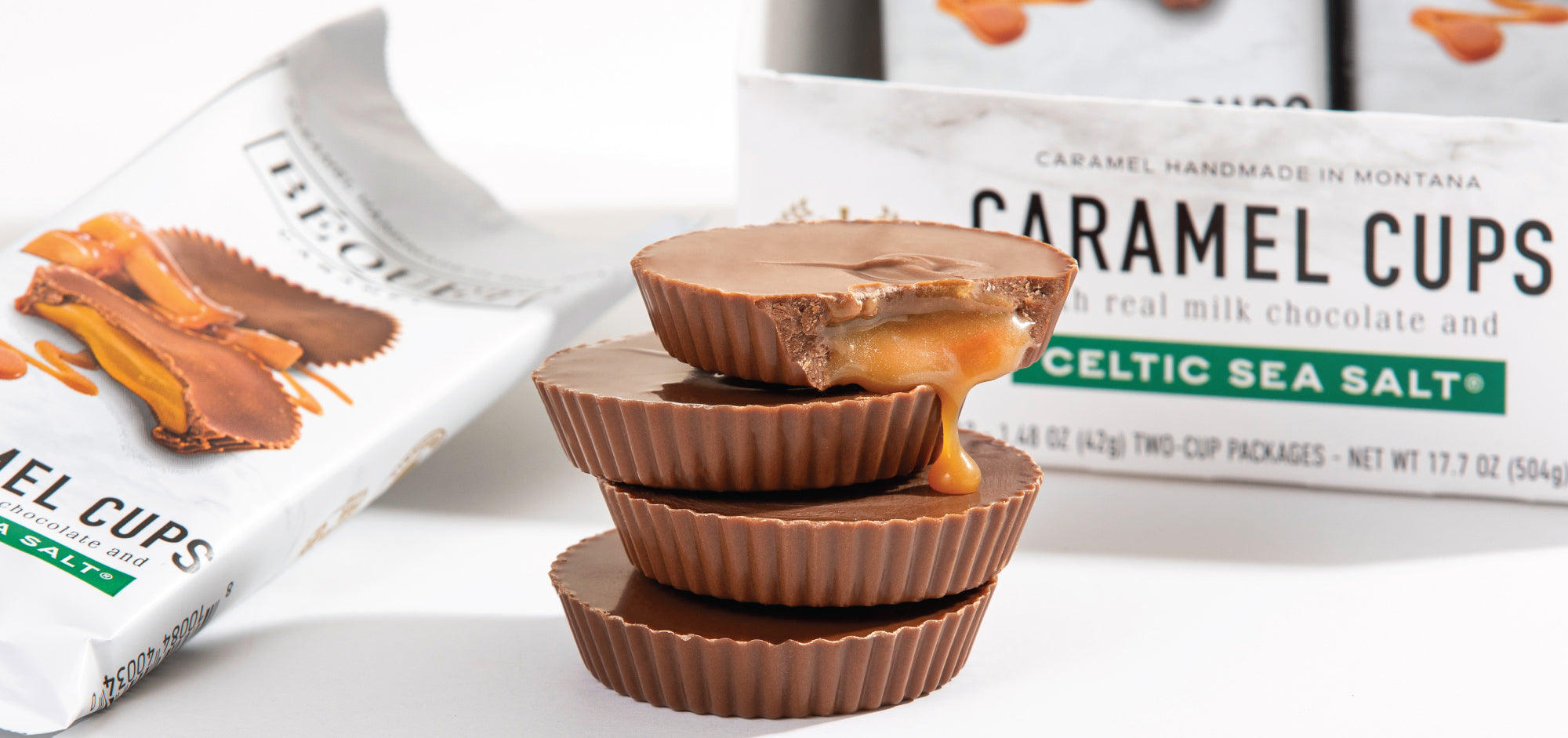
Quality matters. Celtic Sea Salt® Caramel showcases how quality dairy delivers clean buttery notes without artificial additions.
The Béquet Difference
At Béquet, we make traditional caramels because quality dairy creates the smooth, creamy texture that defines exceptional caramel.
Explore our gluten free candies for dairy-free, allergen-friendly treats.
Ingredient transparency and careful sourcing matter more than marketing claims. Whether you choose traditional or dairy-free, know what goes into what you eat.
Frequently Asked Questions
1. Does caramel color contain dairy?
Caramel color is made from heated carbohydrates with no dairy. Products colored with it may contain separate dairy ingredients. Check full ingredient lists.
2. Can dairy allergies prevent eating caramel?
Yes, if caramel contains butter or cream. Caramel color itself won't trigger allergies. Traditional caramel typically includes dairy.
3. Do dairy-free caramels match traditional texture?
Plant-based versions differ noticeably. Coconut caramels carry tropical notes. Chemistry prevents full replication.
4. Why do premium caramels cost more?
Quality sourcing requires investment. Béquet uses antibiotic-free dairy, specialty ingredients, and small-batch cooking. Precision delivers superior flavor and consistency.