





Caramel sauce seems simple on the surface, but real depth emerges once you start paying attention. From a drizzle over vanilla ice cream to the base of a layered dessert, the right pick changes everything about the final result.
Most people never think twice about what goes into the bottle they grab off a shelf, and that is exactly where quality gets lost. A solid caramel sauce guide starts with one question: what separates ordinary from exceptional?
What Makes Great Caramel Sauce
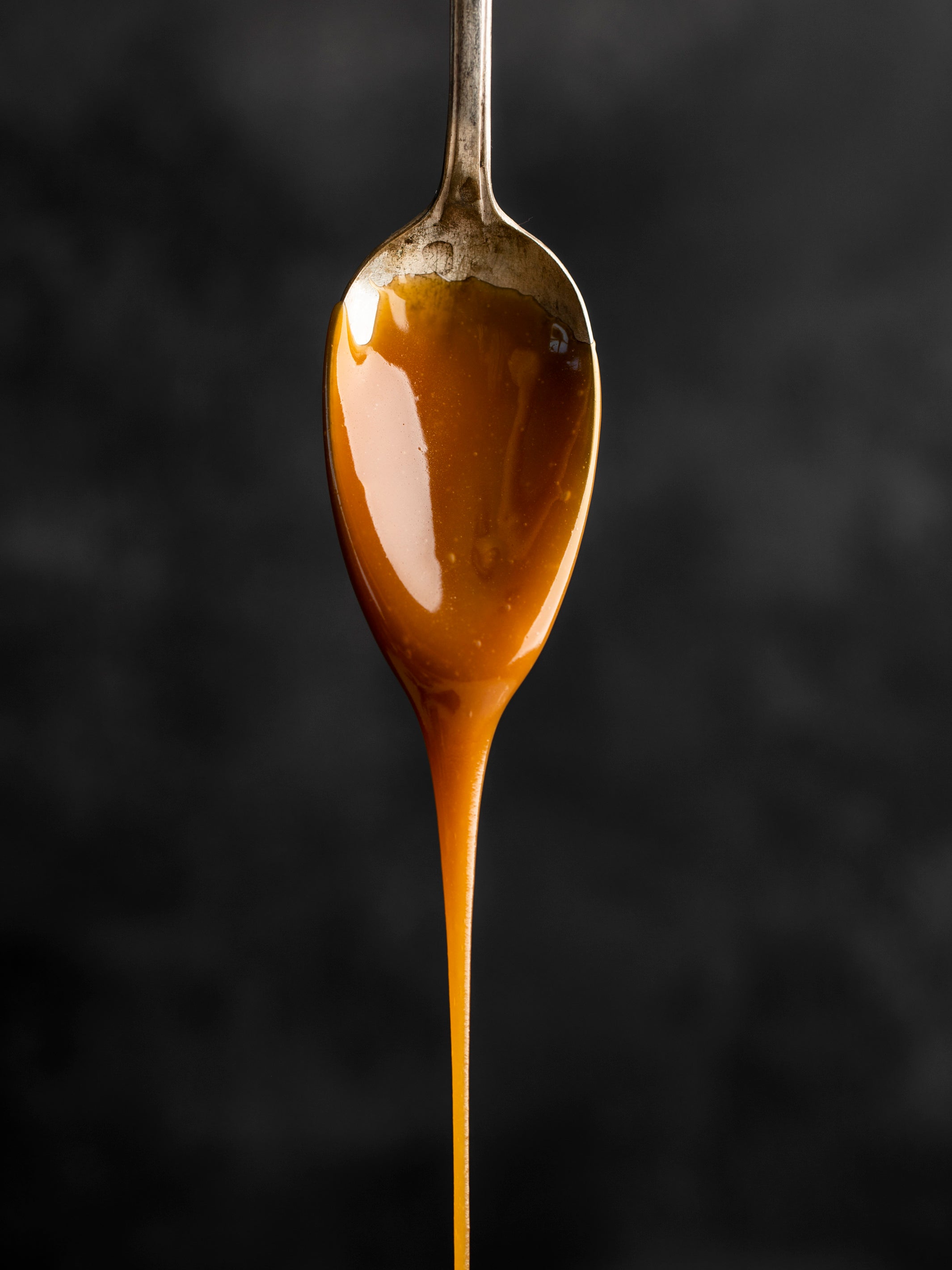
At its core, good caramel is cooked sugar combined with cream and butter. The quality of those three ingredients determines everything. Mass-produced versions lean on corn syrup, artificial coloring, and preservatives to cut costs. A gourmet caramel sauce, on the other hand, uses real dairy, pure sugar, and slow-cooking methods that build richer, more complex flavor.

A well-made version has a smooth, buttery body with balanced sweetness and enough depth to linger on the palate.
How to Choose the Right Caramel Sauce
Choosing well comes down to three things: ingredients, occasion, and sourcing.
Read the Label First
Quality caramel uses real butter, cream, sugar, and natural flavorings. Skip anything listing corn syrup as a primary ingredient or including artificial preservatives. Clean labels mean cleaner flavor.
Match the Flavor to the Moment
A versatile sea salt caramel sauce works across almost every occasion, from weeknight desserts to holiday gifting. The sweet-salty balance makes it the most flexible option in any pantry, equally at home on pancakes and in a bourbon cocktail.
Prioritize Small-Batch Quality
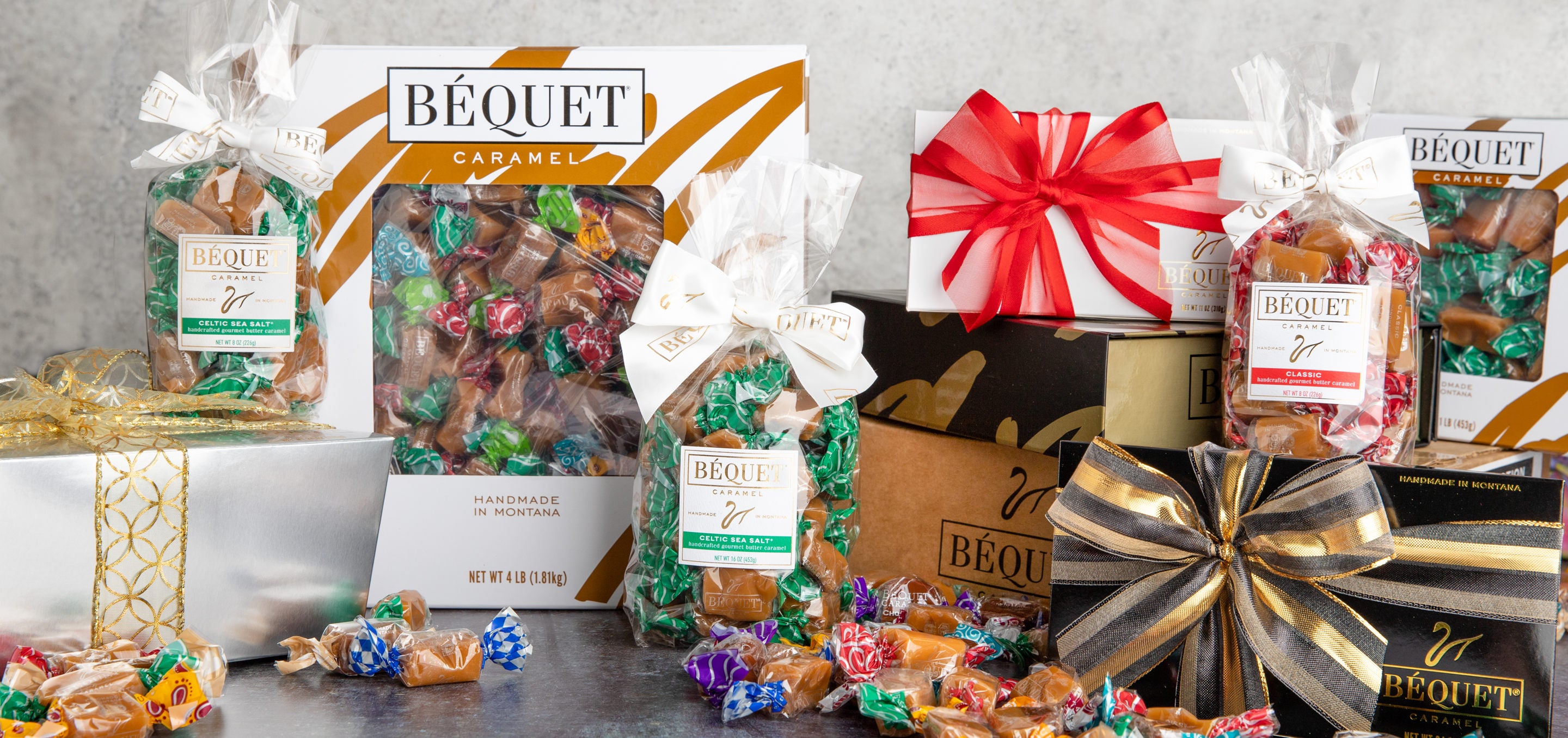
At Béquet Confections, caramel is still slow-cooked in small copper kettles in Montana using simple ingredients like butter, cream, and sugar. That traditional process has earned the company twelve national food awards and made its salted caramel sauces a favorite for both desserts and coffee drinks.
How to Use Caramel Sauce Every Day
A quality jar in the kitchen opens up more possibilities than most people realize. Once you start reaching for it, the list of pairings grows fast.
Morning Coffee or Latte
A spoonful of real caramel drizzle replaces artificial flavored syrups entirely, without the chemical aftertaste. Stir it into a hot latte or swirl it into cold brew for a smooth, buttery sweetness that coffee shop pumps simply cannot replicate. The difference is immediate, and once you make the switch, going back feels impossible.
Ice Cream Topping
The timeless pairing, and still one of the best. Warm the sauce slightly for a silky, even pour that wraps around each scoop. Vanilla is the classic base, but a good salted caramel sauce over butter pecan or dark chocolate ice cream creates something genuinely memorable.
Fruit Dipping
Apple slices and pears with a touch of salted caramel make an easy, crowd-pleasing snack that works for weeknight cravings and dinner party platters alike. The natural tartness of fresh fruit and the smooth sweetness of the sauce balance each other perfectly. Add a sprinkle of cinnamon or crushed pecans for a fall-ready version.
Baking and Dessert Layering
Swirl into brownie batter, cheesecake filling, or bread pudding for added depth and moisture. Caramel sauce also works beautifully as a layer between cake tiers or a finishing drizzle on tarts. A little goes a long way, and the flavor it adds is far more complex than granulated sugar alone.
Cheese Boards and Savory Pairings
A small dish of buttery caramel sauce alongside sharp cheeses and roasted nuts adds a sophisticated, unexpected layer to any spread. Aged cheddar, manchego, and gouda all pair naturally with the sweet-salty profile. For a simple gathering or a holiday table, a caramel element on the board sets the whole arrangement apart.
The Sweet Standard
Great caramel does not need to be complicated. Clean ingredients, careful technique, and a respect for tradition are what separate a forgettable drizzle from something worth savoring. A small-batch caramel sauce made with care is the simplest way to bring that quality home.
Frequently Asked Questions
1. What is caramel sauce made of?
Cooked sugar, butter, and cream form the base. Higher-quality versions use all-natural ingredients and skip corn syrup, preservatives, and artificial flavors entirely.
2. How long does the caramel sauce last?
Unopened jars of caramel sauce typically last several months when stored in a cool place. After opening, refrigerate and use within a few weeks for the best flavor.
3. What is the difference between caramel sauce and caramel syrup?
The sauce version contains dairy, giving it a thicker, richer body. Syrup is thinner, often corn-syrup-based, and lacks the same depth or creamy texture.
4. Can you use caramel sauce in cocktails?
A small pour works well in bourbon-based drinks, espresso martinis, and warm apple cider cocktails. Stick with a sauce made from real dairy and natural ingredients for the cleanest flavor.
5. What is the difference between caramel sauce and dulce de leche?
Caramel sauce starts with sugar cooked until it browns, then combined with butter and cream. Dulce de leche is made by slowly heating sweetened condensed milk. The result is thicker, milkier, and less toasty than traditional caramel sauce.
6. How do you warm up caramel sauce without ruining it?
Low, gentle heat is all you need. Place the jar in a bowl of warm water for a few minutes, or microwave in short 10-to-15-second bursts with a stir between each. The goal is a pourable consistency, not a boil.
7. Is caramel just melted sugar?
No. Melted sugar is a physical change — sucrose liquefies but stays chemically intact. Caramel sauce goes further, combining sugar cooked to amber with cream and butter to create rich, layered flavor compounds.
8. Is caramel burnt sugar?
Not exactly. Properly made caramel cooks sugar to a controlled amber stage between 320–380°F. Truly burnt sugar exceeds 410°F and produces bitter, acrid compounds — a different result from the smooth, buttery sweetness of caramel sauce.