




When choosing between caramel and chocolate, you’re choosing two very different kinds of sweetness. Caramel is built from heated sugar and dairy, creating buttery, toasted notes. Chocolate starts with cacao beans and develops flavor through fermentation, roasting, and careful fat crystal control.
Both can be incredibly high quality, and both can be highly processed depending on the maker. Here’s how caramel and chocolate compare in ingredients, taste, texture, and production, so you can choose what fits your preferences.
How Caramel and Chocolate Differ in Core Ingredients
The foundation of any confection determines its nutritional profile and flavor potential.
What Makes Caramel's Ingredient List Simple?
Caramel starts with sugar, dairy cream, and butter, ingredients you recognize and can pronounce. The process involves heating sugar until it reaches caramelization, typically around 170°C (340°F), where sugar molecules break down and recombine into hundreds of new flavor compounds.
The simplicity of caramel's ingredient list means fewer additives and a more transparent relationship between what goes into the pot and what you taste in the finished product.
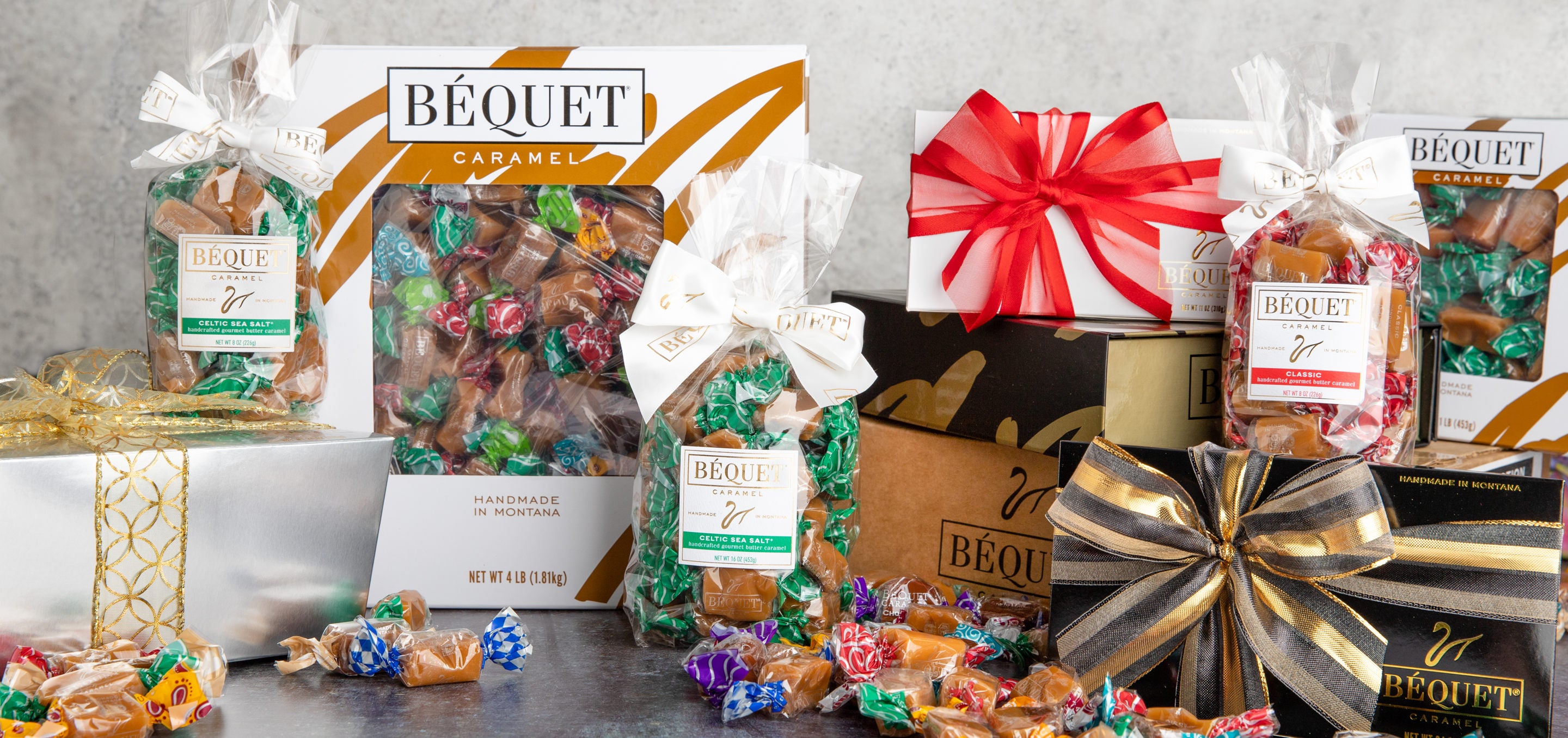
At Béquet, we slow-simmer our caramel in small batches using tapioca syrup, antibiotic-free dairy, and pure brown sugar.
Chocolate Production Requires More Ingredients
Chocolate production begins with fermented cocoa beans that undergo roasting, grinding, and conching before being combined with cocoa butter and sugar. The fermentation process alone can take five to seven days, during which naturally occurring yeasts and bacteria transform the raw beans' flavor profile.
Additional ingredients often include emulsifiers like soy lecithin, vanilla, and varying amounts of milk powder depending on whether you're eating dark, milk, or white chocolate.
Taste Profile: Butter and Cream vs. Bitter and Complex
Flavor defines the soul of any confection, and caramel versus chocolate presents two entirely different taste experiences.
Caramel's Sweet, Buttery Character
Caramel's flavor centers on buttery sweetness with toasted, nutty undertones developed during caramelization. The Maillard reaction between sugars and dairy proteins creates depth without bitterness. Salt can enhance these flavors further, as seen in our Celtic Sea Salt® caramel, where hand-harvested salt from coastal regions accentuates the buttery notes while adding subtle mineral complexity.

Chocolate's Bitter and Layered Notes
Chocolate's taste depends heavily on cocoa percentage and origin. Dark chocolate delivers pronounced bitterness from polyphenols and theobromine, compounds absent in caramel. Milk chocolate adds dairy sweetness that softens bitterness but still maintains chocolate's characteristic astringency. The fermentation process introduces fruity, earthy, or acidic notes depending on how the beans were processed.
When Sweetness Wins
For those seeking pure sweetness without bitterness, caramel provides consistent satisfaction. Our Classic Vanilla caramel delivers traditional soft, buttery comfort without any sharp or bitter edges, while varieties like Salted Butterscotch blend nostalgic sweetness with sophisticated salt notes.
Texture Differences: Creamy Chew vs. Solid Snap
Texture defines the eating experience as much as flavor does, and caramel versus chocolate presents contrasting mouthfeel experiences.
How Caramel Achieves Soft, Smooth Texture
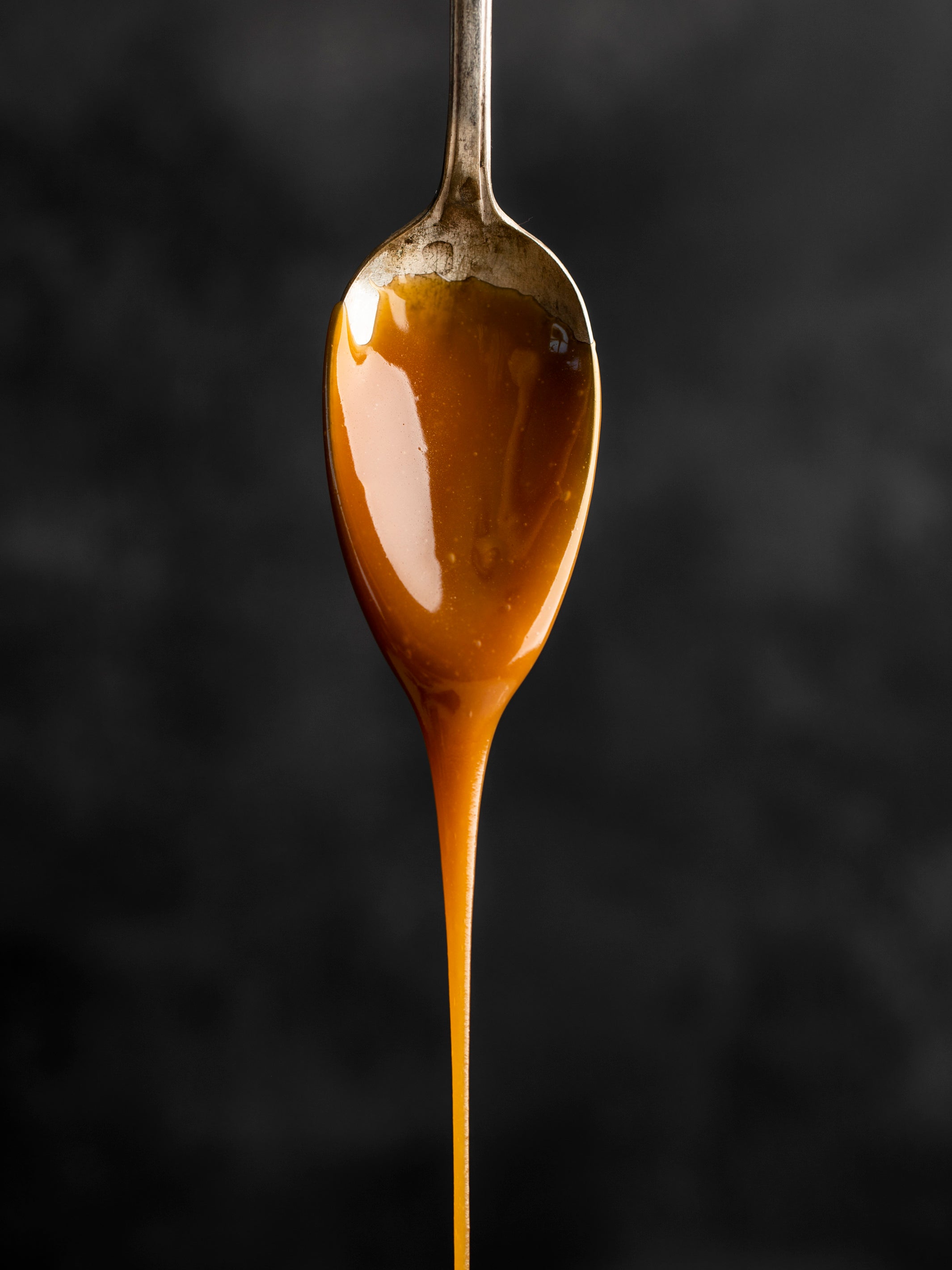
Caramel achieves its signature soft, smooth texture through careful temperature control during cooking. The sugar concentration determines firmness: cook it longer and you get a chewier bite, stop earlier and you have flowing sauce. Our Chewy caramel is cooked slightly firmer for those who prefer a longer-lasting piece, while our standard varieties offer that classic melt-in-your-mouth experience.
Why Chocolate Snaps and Melts
Chocolate relies on cocoa butter's crystalline structure for its characteristic snap at room temperature and smooth melt in your mouth. Tempering, the process of heating and cooling chocolate to specific temperatures, creates stable fat crystals that give chocolate its glossy finish and satisfying break. However, chocolate can bloom (develop gray streaks) when temperature fluctuations disrupt these crystals, affecting both appearance and mouthfeel.
Temperature Stability Comparison
Both caramel and chocolate are sensitive to temperature, just in different ways.
Caramel: heat can make it softer or sticky, and humidity can affect wrappers and texture.
Chocolate: warmth can melt it, ruin its temper, and temperature swings can encourage bloom.
For either treat, a cool, dry storage spot helps preserve the intended texture.
Production Process: Simple Heat vs. Multi-Stage Processing
Manufacturing complexity directly impacts consistency, quality control, and the final product's relationship to its original ingredients.
Caramel's Straightforward Craftsmanship
Making caramel involves heating sugar and dairy to specific temperatures, a process that requires attention but uses straightforward kitchen techniques. The transformation happens through caramelization and the Maillard reaction, both heat-driven chemical processes that occur predictably when temperature is controlled. Small-batch production, like our methods in Montana, ensures each batch receives proper attention from start to finish.
Chocolate's Complex Journey from Bean to Bar
Chocolate production requires fermentation, drying, roasting, winnowing, grinding, conching (up to 72 hours for some chocolates), and tempering. Each stage introduces variables. Improper fermentation creates off-flavors. Incorrect roasting temperatures can burn or underdevelop flavor. Failed tempering results in chocolate that doesn't snap or has poor shelf stability.
Quality Consistency Advantage
The complexity of chocolate production means more opportunities for quality variance between manufacturers. Caramel's simpler process allows for consistent quality when ingredients and technique meet high standards, reflected in our 12 national awards for caramel craftsmanship.
Why Caramel Offers Clearer Ingredient Benefits
All-natural ingredients matter when you care about what enters your body.
What You Get with Quality Caramel
Caramel made with real cream, butter, and tapioca syrup contains no cocoa processing agents, no emulsifiers, and no need for stabilizers when crafted properly. Our Green Apple caramel combines crisp fruit flavor with vanilla butter caramel using recognizable ingredients you could find in your own kitchen.
Common Additives in Chocolate
Chocolate often contains soy lecithin (an emulsifier), vanillin (synthetic vanilla), and sometimes PGPR (polyglycerol polyricinoleate) to reduce production costs and alter texture. While these aren't necessarily harmful, they move chocolate further from its whole-food origins.
The Best of Both Worlds
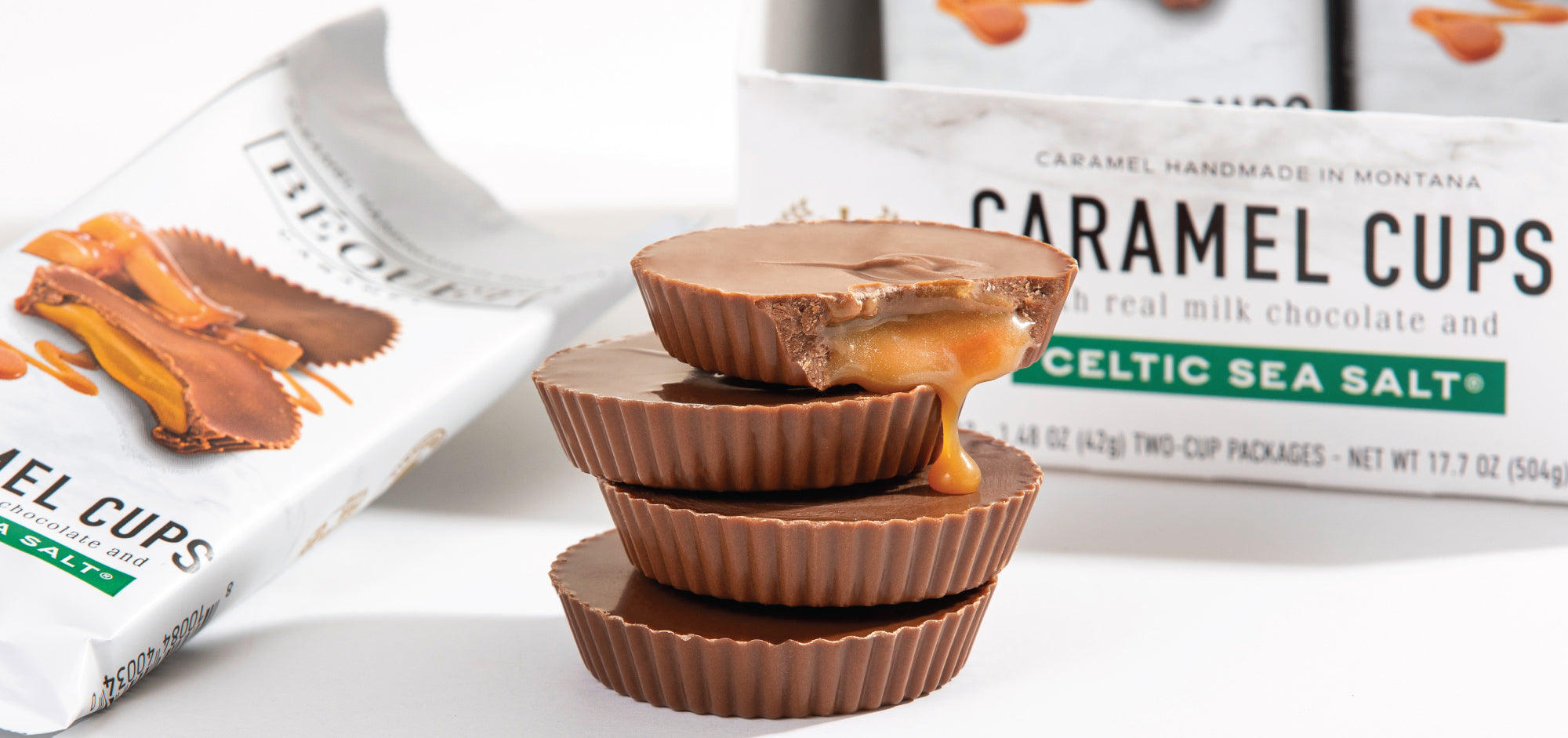
When chocolate and caramel combine, as in our Salt-Chocolate caramel or Classic Chocolate Caramel, you get caramel's buttery smoothness with chocolate's depth, but the caramel base keeps the treat soft, creamy, and free from the brittleness that solid chocolate can have.
Some modern variations, such as Dubai chocolate caramel, highlight how caramel’s creamy texture can balance and elevate chocolate’s intensity.

Choosing Between Caramel and Chocolate
Choose caramel if you love buttery sweetness, a chewy texture, and a warm, toasted flavor profile. If you are still deciding between these two classic treats, understanding the difference between caramel and chocolate can help you compare their ingredients, flavors, textures, and production methods. Choose chocolate if you enjoy cocoa depth, bitterness, and a snap-then-melt experience.
Both can be exceptional when made well. The best choice comes down to your taste preferences, the ingredient style you want, and the texture you crave in the moment.
Frequently Asked Questions
1. What is the main difference between caramel and chocolate?
Caramel is made by heating sugar with dairy ingredients until caramelization occurs, creating a sweet, buttery confection. Chocolate is produced from fermented cocoa beans combined with cocoa butter and sugar, resulting in a more complex, sometimes bitter flavor profile.
2. Is caramel healthier than chocolate?
Neither is a health food. Both contain sugar, and portion size matters most. Caramel often has a simpler ingredient list, while chocolate can range from very simple to more complex depending on the bar. If you’re choosing based on ingredients, read labels and pick the option made with the fewest additives and the best flavor.
3. Why does caramel taste buttery while chocolate tastes bitter?
Caramel's buttery taste comes from dairy cream and butter combined with caramelized sugar. Chocolate's bitterness derives from natural compounds in cocoa beans, particularly polyphenols and theobromine, which aren't present in caramel.
4. Can you combine caramel and chocolate?
Caramel and chocolate pair naturally, as caramel's sweetness balances chocolate's bitterness. Varieties like Salt-Chocolate or Salted Mocha combine soft chocolate caramel with either Celtic Sea Salt® or espresso layers for a balanced flavor experience.
5. Which has a better texture, caramel or chocolate?
Texture preference is personal. Caramel offers a soft, creamy, melt-in-your-mouth consistency that remains stable across temperatures. Chocolate provides a satisfying snap when solid and a smooth melt when warmed, but can become brittle or bloom when stored improperly.