



Does caramel have gluten?
No - pure caramel does not contain gluten. Traditional caramel is made from sugar, butter, and cream, none of which are sources of wheat, barley, or rye. However, commercial caramels can introduce gluten through additives such as modified food starch, malt-based flavorings, or shared manufacturing equipment. For people with celiac disease or gluten sensitivity, the safest choice is caramel that carries a certified gluten-free seal — meaning it has been independently tested to contain fewer than 20 parts per million of gluten, the FDA threshold for safe consumption.
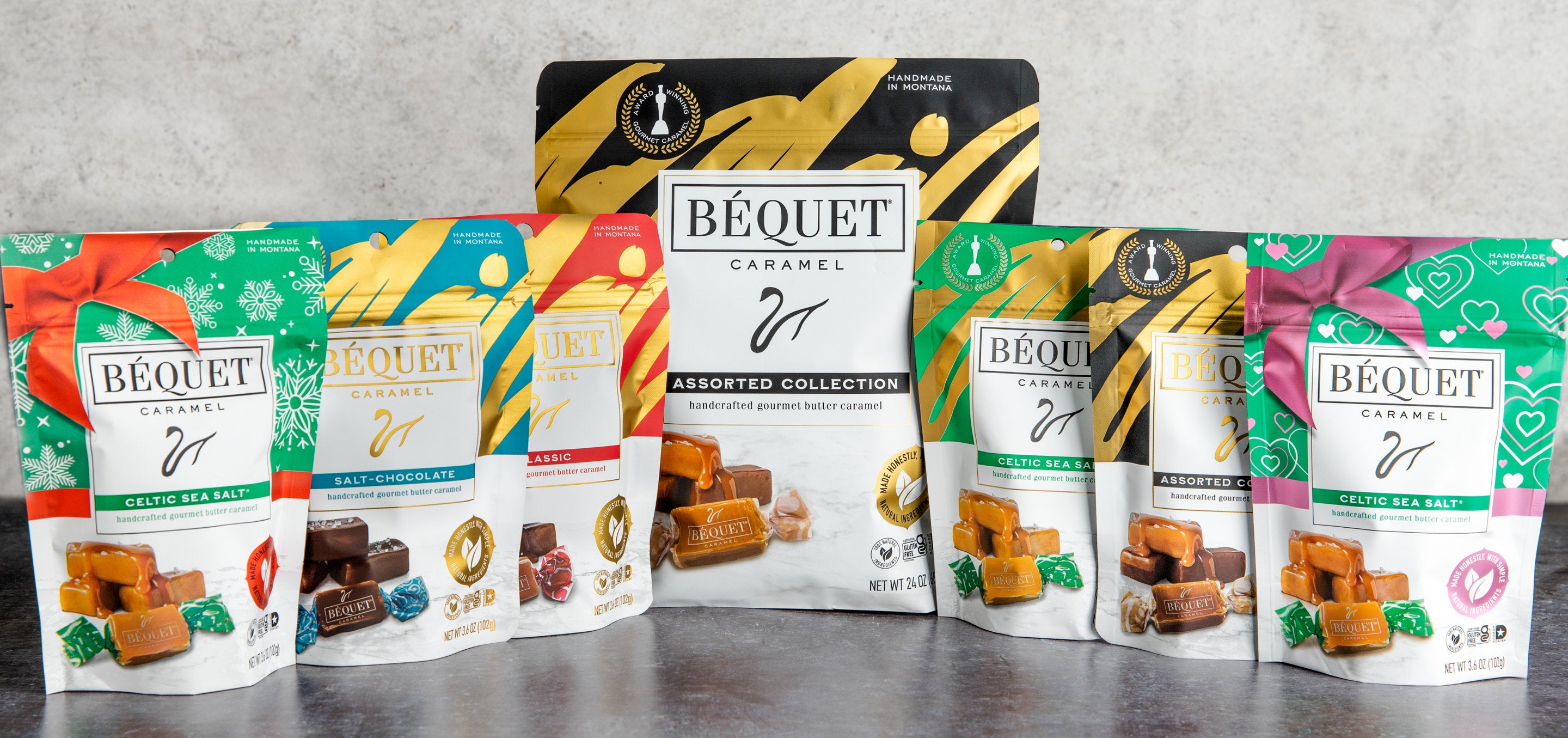
Do caramels have gluten? Most do not, but 'gluten-free' on a label and 'certified gluten-free' are not the same thing. Certification requires third-party audits of ingredients and facilities; a label claim does not. Béquet caramels are GFCO-certified, verified below 20 ppm, and made without modified starches or malt additives.
Caramel should be simple: sugar, butter, cream, and careful heat. Yet gluten can sneak in through additives, cross-contamination, or vague ingredient labels.
For those managing celiac disease or gluten sensitivity, understanding what makes caramel truly safe matters as much as flavor. This guide breaks down gluten-free caramel basics, hidden risks, and how to choose treats with confidence.
What Makes Caramel Truly Gluten-Free?
True caramel begins with four essential ingredients: sugar, butter, cream, and heat. None of these components contains gluten naturally. The confusion around gluten-free candies stems from what happens after those basics are combined. Mass production introduces variables like stabilizers, modified starches, and flavoring agents that may contain hidden gluten.
The Foundation of Pure Caramel
Sugar comes from cane or beets, both gluten-free sources. Butter and cream come from dairy, which never contains wheat, barley, or rye proteins. When slow-cooked together in small batches, these ingredients create the silky texture and rich flavor that defines quality caramel without any gluten risk.
Processing Matters as Much as Ingredients
Ingredients are the primary factor determining the quality of a product, but processing matters a lot too. A caramel made in a facility that also handles wheat-based products carries cross-contamination risk, even if the recipe itself contains no gluten. Certified gluten-free operations maintain separate equipment and rigorous testing protocols.
Small-Batch Production Protects Purity
At Béquet, every batch is crafted in Montana using all-natural tapioca syrup, antibiotic-free dairy, and pure brown sugar. Our small-batch approach means tighter quality control. With 12 national awards backing our commitment, we've built a reputation on consistency and ingredients you can pronounce.
Hidden Gluten Sources in Commercial Candy
Commercial candy production prioritizes shelf life and cost efficiency over ingredient purity. Understanding where gluten hides helps you make informed choices about what candy is gluten-free.
Modified Starches and Thickeners
Modified food starch can be made from corn, potato, tapioca, or wheat. If wheat is used in the U.S., it must be declared as an allergen. If you are unsure whether specific ingredients are safe, it helps to understand the broader answer to is caramel gluten free and how hidden additives can affect it. When in doubt, look for certified gluten-free caramel or contact the manufacturer.
Malt Flavoring and Barley Derivatives
Malt flavoring adds depth to butterscotch and caramel-flavored products but introduces gluten. Barley is one of the three primary gluten-containing grains. Unless a label specifies malted corn or malted rice, assume malt means barley.
Cross-Contamination in Shared Facilities
Even candy that is gluten-free by recipe can become contaminated during production. Shared mixing equipment, conveyor belts, and packaging lines create opportunities for gluten particles to transfer. Large manufacturers often run multiple candy types through the same facility, making true separation nearly impossible.
When Natural Flavors Aren't Transparent
Natural flavors sound harmless, but that term can mask gluten-containing additives or barley-based malt extracts. Gourmet caramel makers who prioritize transparency list every flavoring agent clearly, allowing you to verify each component meets gluten-free standards. Our Classic Vanilla Caramel relies on pure vanilla extract and butter, nothing more.

How to Identify Safe Gluten-Free Caramels?
Identifying truly safe gluten-free caramels requires attention to detail. Certification seals provide the most reliable assurance, but understanding what to look for on labels helps you make confident choices.
Reading Labels Like a Pro
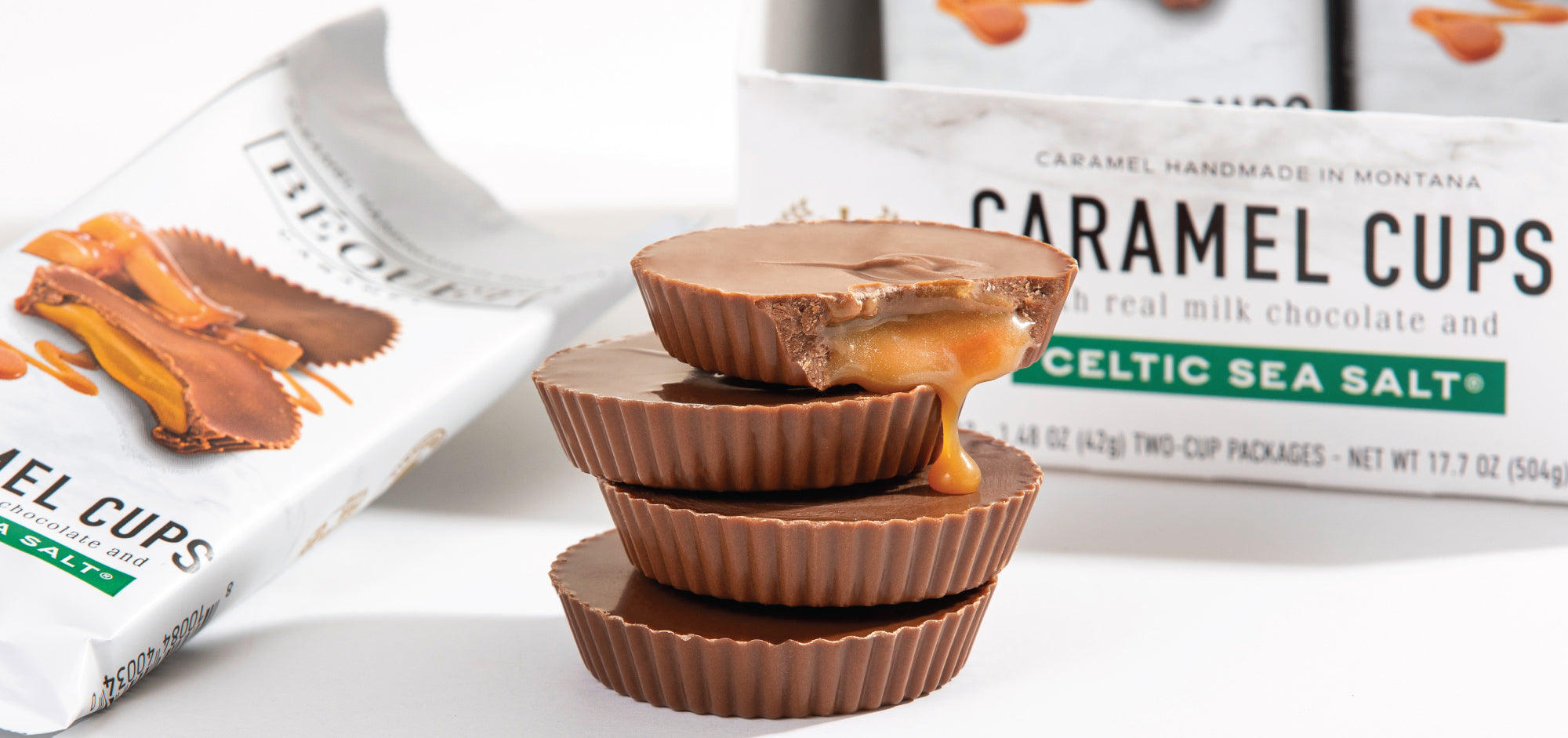
Start by examining the complete ingredient list, not just the allergen statement. Look for simple, recognizable components: sugar, cream, butter, salt, and natural flavorings like vanilla or cocoa. The Celtic Sea Salt® variety adds hand-harvested salt from protected coastal ponds, a single-ingredient addition that brings balance without risk.

Understanding Certification Seals
Products bearing GFCO, CSA, or NCA certification have undergone independent testing and facility audits. These seals confirm not only that the recipe is gluten-free, but also that cross-contamination risks are actively managed through dedicated equipment and strict cleaning protocols.
Questions to Ask Before You Buy
When shopping for gluten-free candies, ask retailers or manufacturers about their production processes.
- Are caramels made on dedicated equipment?
- Does the facility process wheat-based products?
- How often are gluten tests conducted?
Companies serious about gluten-free production answer these questions readily.
Aslo Read: Is Caramel Gluten-Free? What You Need To Know Before You Bite
Ingredient Simplicity Signals Safety
When recipes stay simple, gluten-free confidence comes naturally. Our Butterscotch variety blends nostalgic flavor with butter caramel, cooked slowly to preserve texture without adding unnecessary thickeners or stabilizers.
Béquet's Certified Gluten-Free Promise
Certification isn't just paperwork. Every batch of Béquet caramel undergoes testing to verify gluten content stays below 20 parts per million, the FDA's standard for gluten-free labeling. Our Montana facility maintains separate production lines with dedicated equipment cleaned according to strict protocols between runs.
Ingredient Sourcing That Prioritizes Safety
Tapioca syrup replaces corn syrup in our recipe, offering cleaner sweetness without introducing hidden gluten risks. Antibiotic-free dairy comes from trusted suppliers who share our commitment to purity. Celtic Sea Salt®, hand-harvested from protected coastal ponds, adds mineral complexity without additives.
Awards That Validate Quality Without Compromise
Twelve national awards recognize Béquet's commitment to excellence. Our Salt-Chocolate variety layers dark chocolate with caramel and Celtic Sea Salt® finish, creating three distinct flavors without introducing gluten-containing fillers or stabilizers.
Individual Wrapping for Portion Control
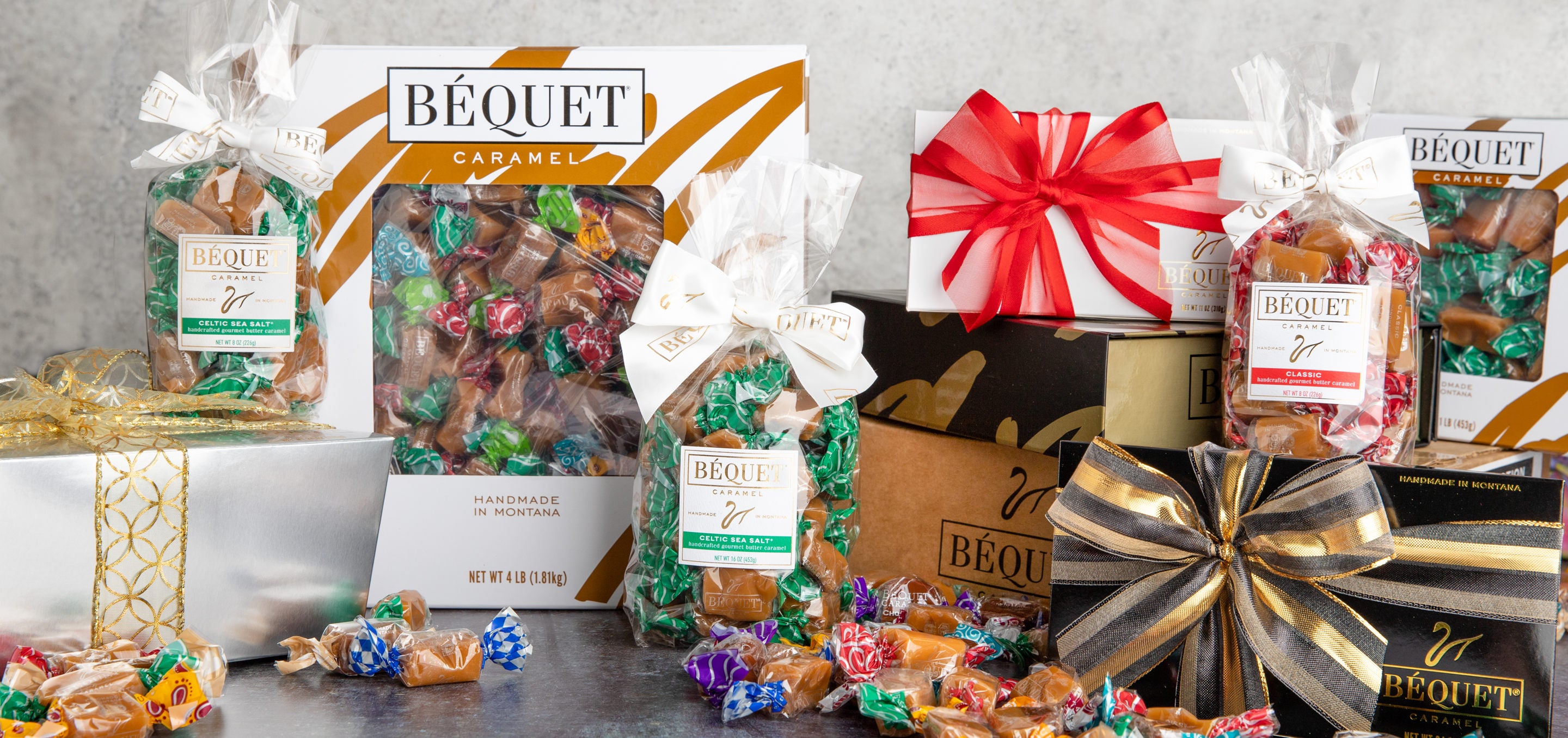
Each individually wrapped piece maintains freshness while allowing you to portion servings according to your needs.
The Sweet Satisfaction of Safe Indulgence
Finding truly safe gluten-free caramel shouldn't require compromise. Quality ingredients, transparent sourcing, and certified production methods ensure that dietary restrictions never diminish pleasure.
Béquet's slow-simmered approach honors both tradition and modern dietary needs, offering indulgence you can trust.
Frequently Asked Questions
1. Are all caramels naturally gluten-free?
Pure caramel made from sugar, butter, and cream contains no gluten. However, commercial caramels may include additives like modified food starch or malt flavoring that introduce gluten. Always check labels and look for certified gluten-free products when managing celiac disease.
2. What ingredients should I avoid in caramel?
Watch for modified food starch (often wheat-based), malt flavoring (typically barley-derived), and vague natural flavors that may hide gluten-containing additives. Wheat flour sometimes appears as a thickener in lower-quality caramels.
3. Can cross-contamination affect gluten-free caramel?
Shared facilities can increase cross-contact risk, especially when wheat-based products are produced on the same equipment.
4. Are Béquet caramels safe for celiac disease?
Yes. Béquet caramels are certified gluten-free and produced in facilities following strict protocols to prevent cross-contamination. All varieties maintain gluten content below 20 parts per million, meeting FDA standards for safe consumption.
5. Does caramel have gluten?
A: Traditional caramel made with sugar, butter, and cream contains no gluten. However, commercial brands may add barley malt flavoring or wheat-based syrup. For celiac disease or gluten sensitivity, always choose a certified gluten-free label.
6. Are Béquet caramels gluten-free?
Yes. All Béquet caramel varieties are certified gluten-free, tested below 20 parts per million. Our Montana facility uses dedicated production lines and dedicated equipment — we do not share lines with wheat-based products.
7. What makes caramel naturally gluten-free?
Traditional caramel is made from sugar, butter, cream, and heat — none of which contain gluten. The risk comes from what manufacturers add: modified food starch, malt flavoring, or barley-derived sweeteners. Béquet uses tapioca syrup instead of corn syrup and adds no thickeners, stabilizers, or flavoring agents that could introduce gluten.
8. Are Béquet caramels safe for celiac disease?
Yes. Béquet caramels are certified gluten-free and produced in a facility with strict protocols to prevent cross-contamination. All varieties maintain gluten content below 20 parts per million, meeting the FDA standard for safe consumption for people with celiac disease.
9. How does the taste of gluten-free caramels compare to traditional versions?
With Béquet, there's no difference — and that's by design. The ingredients that typically get swapped in gluten-free production (modified starches, alternative sweeteners) affect texture and flavor. We don't use them. The slow-cooked, small-batch process produces the same silky texture and rich flavor regardless of dietary need. Gluten was never part of the recipe to begin with.
10. What are the benefits of choosing gluten-free caramels?
For people managing celiac disease or gluten sensitivity, a certified gluten-free caramel eliminates the anxiety of checking every label and second-guessing every ingredient. Beyond dietary safety, choosing caramels made without fillers, stabilizers, or modified starches means fewer processed ingredients overall. Béquet's formulation — pure brown sugar, antibiotic-free dairy, tapioca syrup — is simpler than most conventional caramels, gluten-free label or not.
People Also Search For -
Thank You Gifts | Wedding Favors & Gifts | Housewarming Gifts | Birthday Gifts | Chocolate lover gifts | Employee appreciation gifts | Gifts for Her | Gifts for Him | Gifts for Mom | Gifts for Coworkers | Valentine's day gifts