





Both Celtic salt and fleur de sel originate from French coastal salt marshes, yet the two end up remarkably different on your plate. The difference between Celtic salt and fleur de sel comes down to harvesting method, crystal texture, and how each performs in the kitchen. One is designed to disappear into a dish. The other is meant to sit visibly on top of it.

How Celtic Salt and Fleur de Sel Are Harvested
Harvesting method is the single biggest factor separating these two salts.
Raked From the Bottom
Celtic salt, also called sel gris or grey salt, is harvested by raking the bottom of clay-lined salt pans along the Brittany coast. Contact with the clay gives Celtic salt its grey color, coarse grain, and damp texture.
Skimmed From the Surface
Fleur de sel, meaning flower of salt, forms as a thin crust on the water's surface during hot, calm weather. Salt harvesters carefully skim the crystals by hand before they sink. Very little of a salt pan's total yield becomes fleur de sel, making the salt far rarer and more expensive.
How Flavor and Texture Differ
When weighing fleur de sel vs Celtic Sea Salt® side by side, flavor and mouthfeel reveal the sharpest contrast.
- Celtic salt delivers a robust, briny, slightly earthy flavor. Higher moisture content and a coarse grind let the salt dissolve and distribute evenly through a dish during cooking.
- Fleur de sel offers a clean, mildly sweet taste with a satisfying crunch. The delicate, flaky crystals are designed to sit on the surface of food, adding gentle salinity and texture in every bite.
Celtic Salt vs Fleur de Sel at a Glance
|
Feature |
Celtic Salt |
Fleur de Sel |
|
Also Known As |
Sel gris, grey salt |
Flower of salt |
|
Harvesting |
Raked from the pan bottom |
Hand-skimmed from the surface |
|
Color |
Grey |
White to off-white |
|
Texture |
Coarse, moist |
Delicate, flaky |
|
Flavor |
Briny, earthy, bold |
Clean, subtle, mildly sweet |
|
Primary Use |
Cooking and seasoning |
Finishing |
|
Relative Cost |
Affordable, everyday use |
Premium, special-occasion use |
When to Use Celtic Salt vs Fleur de Sel
When to Reach for Celtic Salt
Celtic salt works best dissolved into a dish. The coarse texture and bold, mineral-forward flavor make a noticeable difference in:
- Seasoning pasta water and hearty soups
- Brining meats and poultry
- Baking rustic bread
- Slow-cooked stews and braises
- Gourmet caramel and confections
When Fleur de Sel Belongs on the Table
Fleur de sel is strictly a finishing salt, best added just before serving. A small pinch creates crunch and complexity on:
- Grilled steaks and roasted vegetables
- Chocolate desserts and brownies
- Fresh salads with seasonal greens
Can You Substitute Celtic Salt for Fleur de Sel?
Technically yes, but the results differ significantly. Celtic salt dissolves more readily and carries a bolder mineral flavor, making it better suited for cooking. Fleur de sel is prized for texture and presentation, so replacing it removes some of the finishing crunch and delicate salinity.
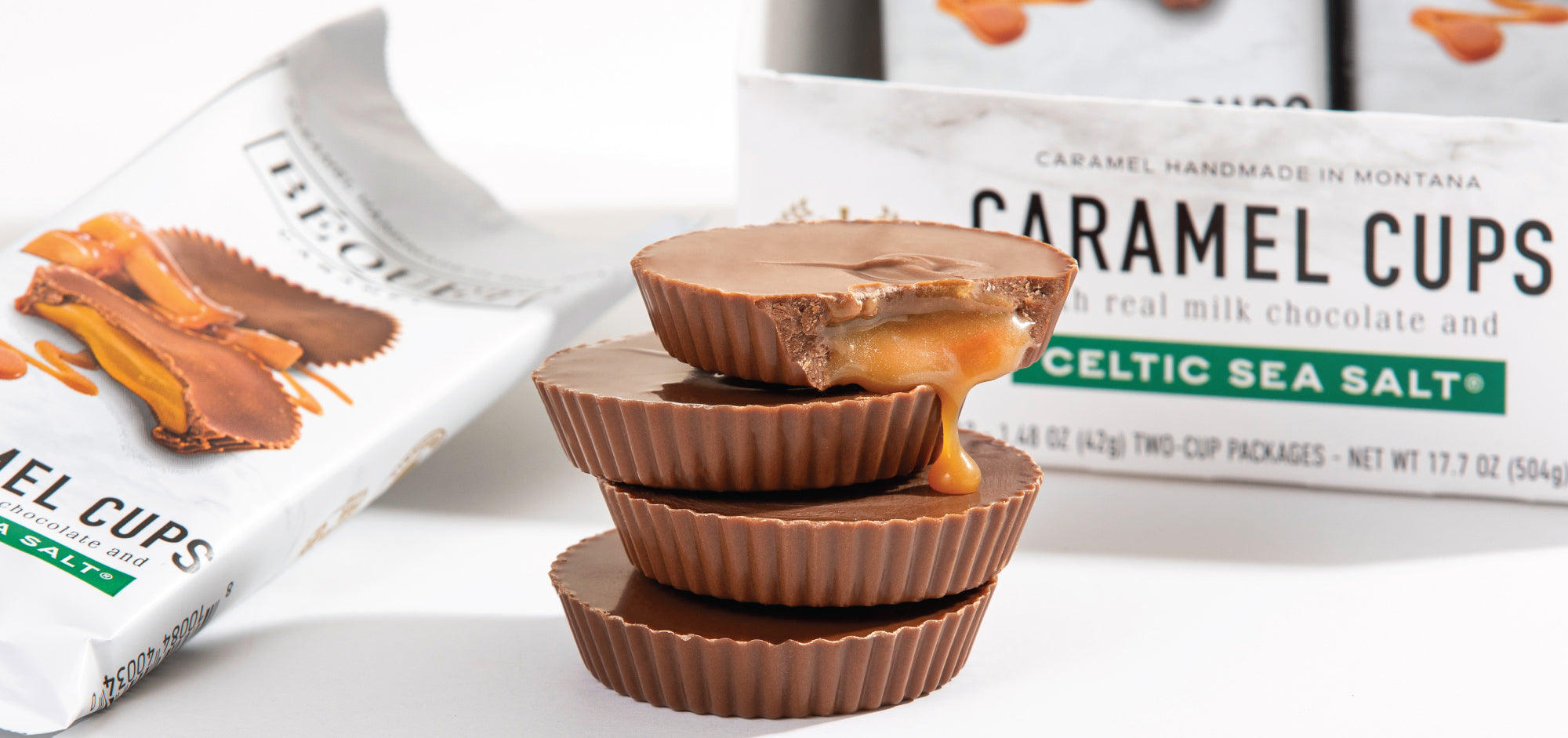
At Béquet, our Celtic Sea Salt® Caramel pairs a smooth, buttery vanilla caramel with a subtle Celtic Sea Salt® finish that accentuates the richness of every bite. The right salt at the right moment can change the entire character of a confection.
Great Salt and Great Caramel Belong Together
Salt and caramel share an almost magnetic relationship. A quality finishing salt balances sweetness, deepens buttery notes, and adds complexity that sugar alone cannot achieve.
Béquet's Salted Caramel Sea Salt varieties are slow-cooked in small batches in Montana using all-natural ingredients and Celtic Sea Salt® sourced from coastal regions including France, Spain, and Portugal. The Salted Mocha layers salt chocolate with espresso caramel for a rich, multi-dimensional treat. The Salted Butterscotch blends warm butterscotch with the refined bite of Celtic Sea Salt®. Each variety shows how carefully chosen salt transforms a butter caramel from simply sweet into something extraordinary.
Frequently Asked Questions
1. Can you use Celtic salt instead of fleur de sel?
You can, though the result will differ. Celtic salt's coarser grind works best dissolved into a dish during cooking, while fleur de sel provides a finishing crunch meant to stay on the surface.
2. Which salt contains more minerals?
Both salts retain trace minerals because neither is heavily refined. Celtic salt, through prolonged contact with clay during harvesting, tends to carry a higher concentration of magnesium and sulfates compared to fleur de sel.
3. Is fleur de sel worth the higher price?
For everyday cooking, Celtic salt delivers excellent value without sacrificing flavor. Fleur de sel earns its premium when used as a finishing salt, where even a small pinch creates a noticeable difference in texture and taste.
4. What does fleur de sel taste like compared to Celtic salt?
Fleur de sel has a clean, mildly sweet salinity with a light crunch that lingers on the palate. Celtic salt leans bolder, with a briny, mineral-forward earthiness and a damp, coarse texture that dissolves more slowly.
5. Why is fleur de sel so expensive?
Harvesting is the main reason. Fleur de sel can only form under specific weather conditions, and the thin crystal layer must be hand-skimmed from the water's surface within a narrow window before it sinks. A single salt pan produces roughly 20 times more Celtic salt than fleur de sel in the same season. The labor, timing, and low yield all drive the price well above everyday cooking salts.