



Few treats carry the weight of a season quite like caramel apples. One look at a glossy, golden-coated apple on a stick and you are somewhere between a county fair, a crisp October afternoon, and a kitchen that smells like butter and brown sugar. The pairing works because of contrast, the bright tartness of a fresh apple cutting through rich, buttery caramel in a way that neither could achieve alone.
What started as a clever use of leftover Halloween candy has grown into a full confectionery tradition. From simple dipped versions sold at roadside stands to elaborately decorated gourmet caramel apples finished with sea salt, chocolate, and toasted nuts, these caramel apples have earned a permanent place in American food culture. And the difference between a forgettable version and one worth remembering almost always comes down to the quality of the coating itself.
How a Fall Classic Was Born
Caramel apple history traces back to the 1950s, when a Kraft Foods employee named Dan Walker is widely credited with the idea of dipping apples into melted caramel. Walker was reportedly experimenting with excess candy during the Halloween season and saw an opportunity to combine two affordable ingredients into something new. The concept caught on quickly, and within a few years, the treat was a staple at fairs, festivals, and candy shops across the country.
The timing mattered. Apple harvest season and Halloween overlap perfectly, giving the confection a natural home in autumn. Candy apples, coated in a hard red sugar shell, had been popular since the early 1900s. The softer, richer caramel-coated alternative appealed to a wider range of palates, and over the decades, the tradition evolved into something far more creative.
Popular Types Worth Knowing
Not all versions are created equal, and the range available today reflects just how far this classic has come.
The Simple Dipped Version
A whole apple, skewered, dipped in warm caramel, and set on wax paper to cool. Nothing complicated, nothing fussy. When the coating is made from real butter, cream, and sugar, the simplest version needs no embellishment. A tart Granny Smith against a smooth, slow-cooked caramel shell is satisfying on its own.
The Decorated Showpiece
Rolled in toppings after dipping, these versions pile on texture and flavor. Crushed pecans, toffee bits, mini chocolate chips, or a drizzle of dark chocolate turn a simple treat into a visual and sensory event. Gourmet versions in this category often show up at specialty candy shops, holiday markets, and gifting occasions.
Sliced and Shareable
Whole dipped apples can be unwieldy to eat. Sliced versions, where apple wedges are drizzled or served alongside warm caramel for dipping, solve that problem while keeping all the flavor intact. A drizzle of Sea Salt Caramel Sauce over crisp apple slices, finished with a sprinkle of Celtic Sea Salt®, turns a snack plate into something guests remember.

What Separates a Good One From a Great One
The apple matters, certainly. Tart, firm varieties like Granny Smith, Honeycrisp, or Pink Lady hold up best under a warm coating. But the caramel is where the real difference lives.
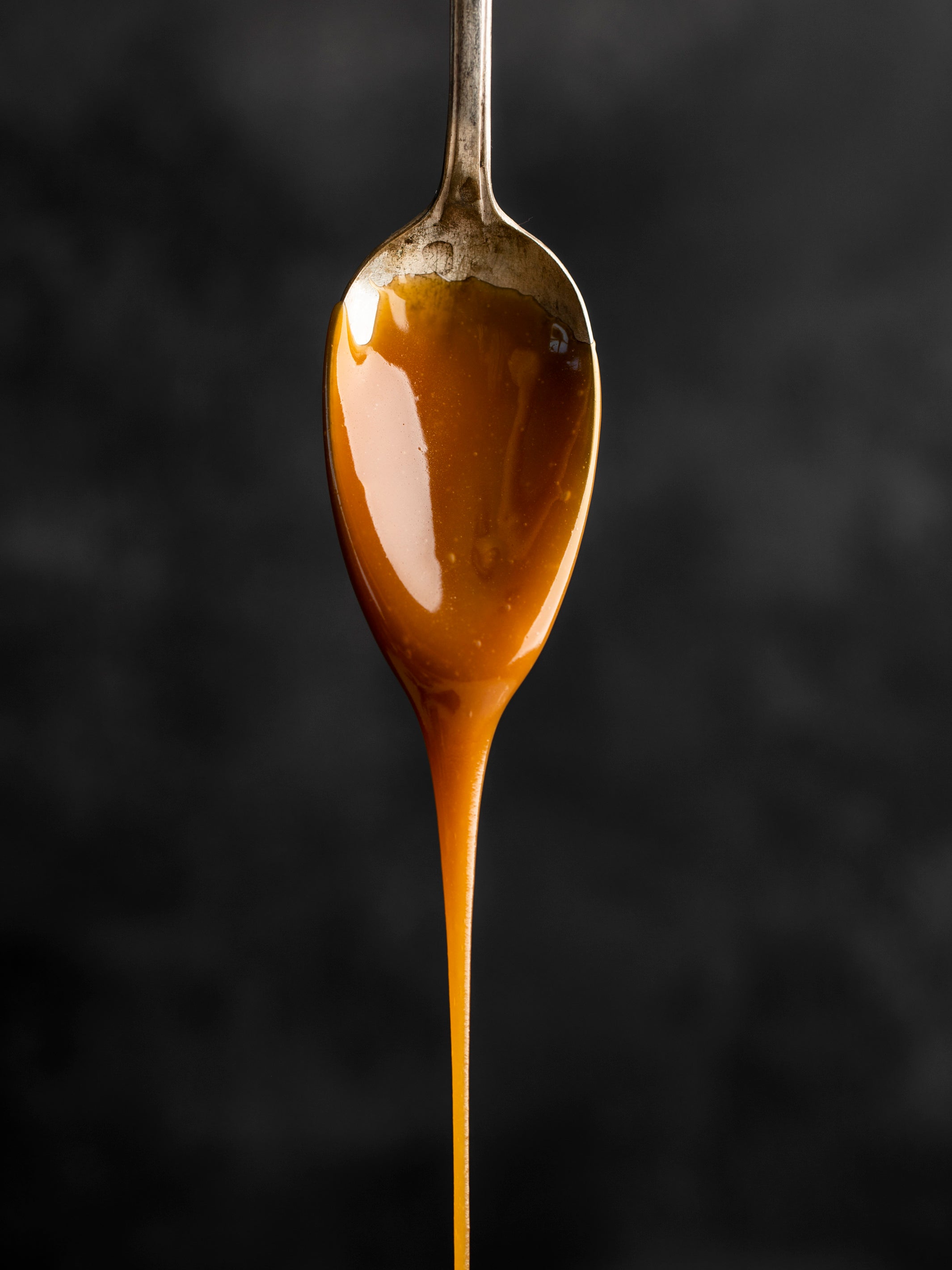
Mass-produced dipping kits rely heavily on corn syrup, artificial flavoring, and stabilizers that prioritize shelf life over taste. The result is a coating that tastes flat and clings to your teeth. Caramel made from all-natural ingredients, slow-cooked with real dairy, butter, and pure sugar, behaves differently on the palate. The coating is smoother, the flavor more layered, and the finish cleaner.
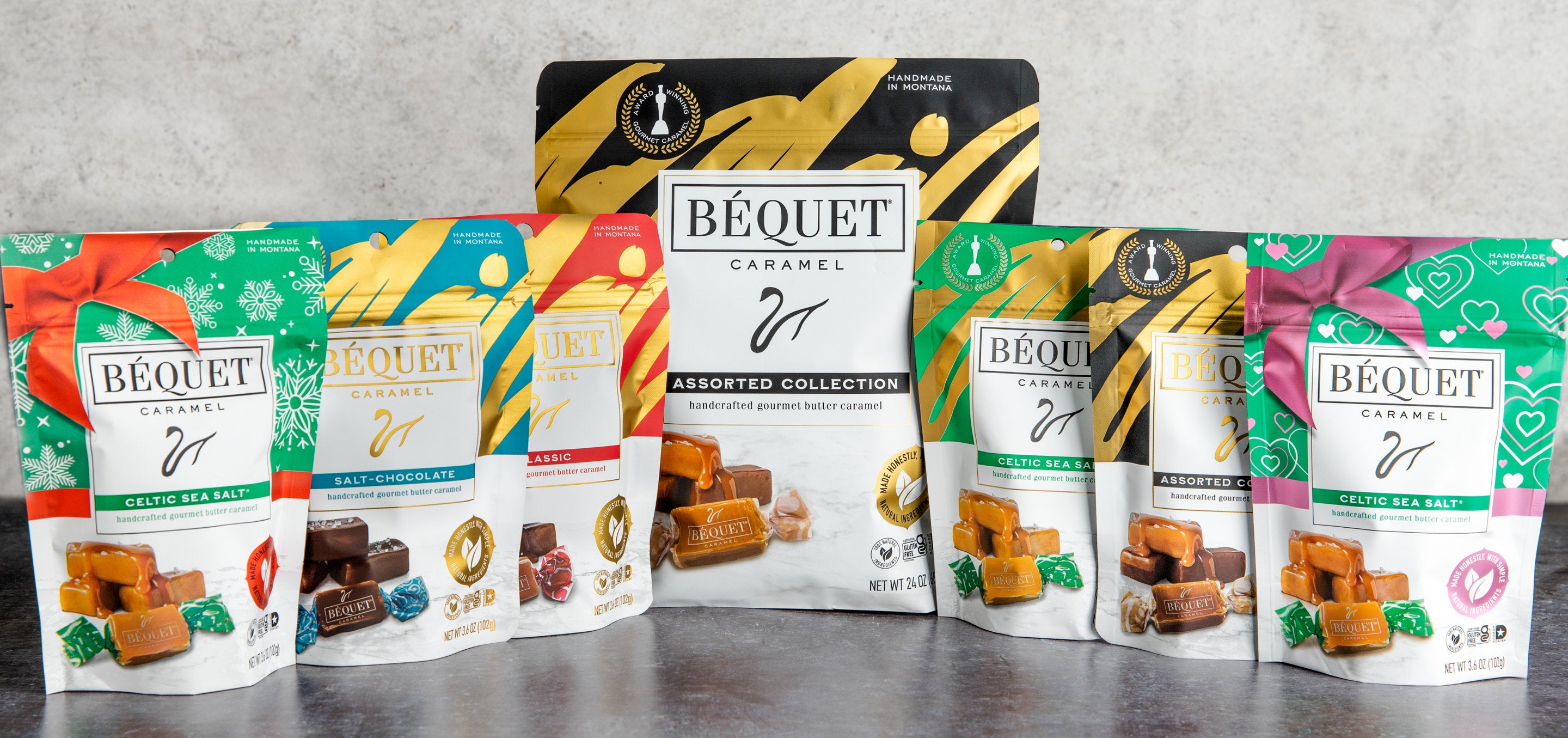
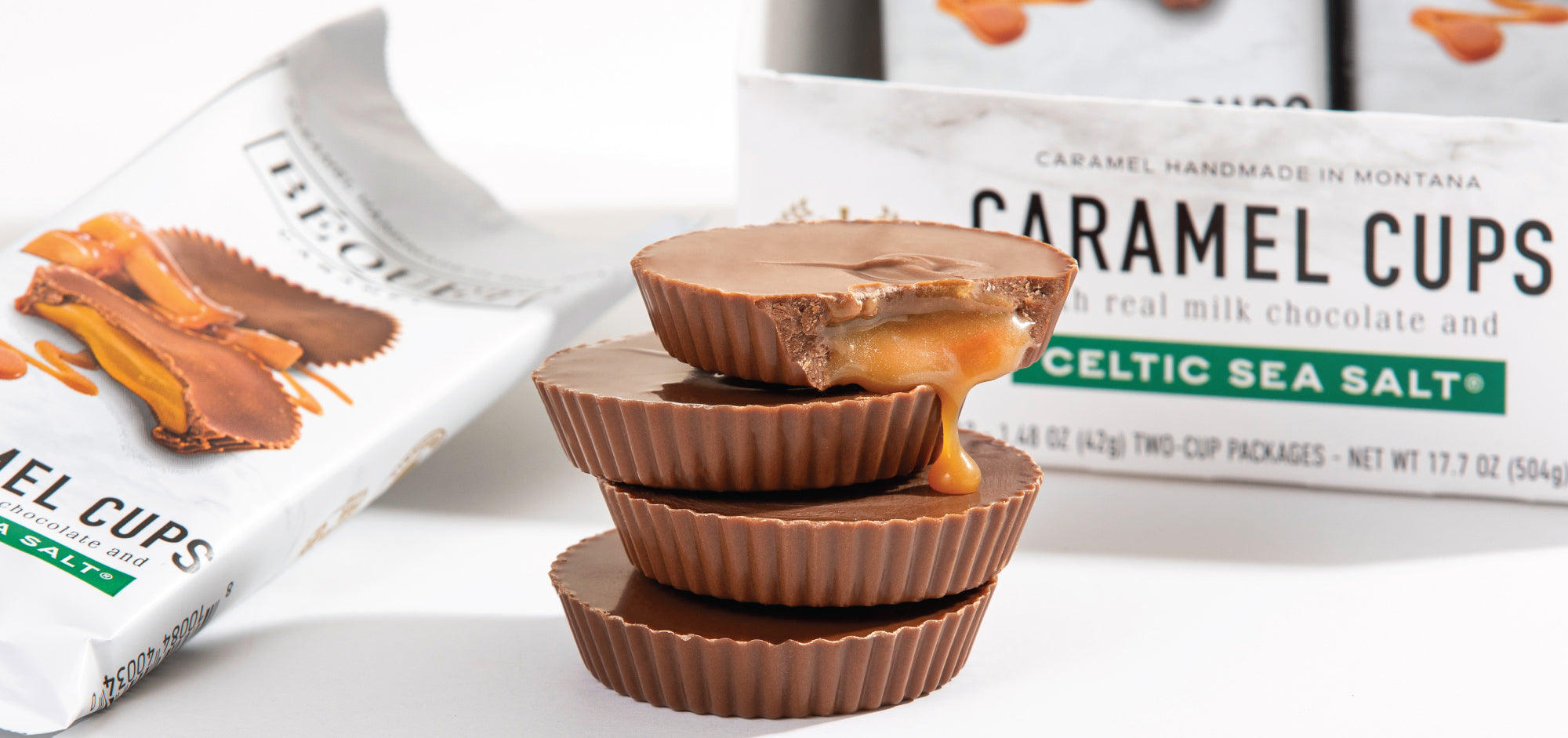
At Béquet, caramel is slow-cooked in small batches in Montana using tapioca syrup, antibiotic-free dairy, and pure brown sugar. While Béquet does not sell pre-made dipped apples, the same Celtic Sea Salt® caramel that has earned 12 national awards melts beautifully for homemade dipping. Certified gluten-free and made in a nut-free facility, the caramel works for gatherings where dietary concerns need consideration.
For those who love the apple-and-caramel pairing year-round, Béquet's Green Apple variety captures that same bright, tart-meets-buttery balance in every individually wrapped piece.
A Quick Comparison
|
Feature |
Caramel-Coated Apple |
Candy Apple |
|
Coating |
Soft, buttery caramel made with dairy and sugar |
Hard sugar shell, often bright red |
|
Texture |
Chewy, smooth, melts slowly |
Crunchy, brittle, cracks on the first bite |
|
Flavor Profile |
Rich, buttery, layered |
Intensely sweet, one-note |
|
Best Apple Pairing |
Tart varieties like Granny Smith or Honeycrisp |
Firm, mildly sweet varieties |
|
Customization |
Endless topping and drizzle options |
Limited, mostly color and glitter |
The Lasting Appeal
The tradition endures because the pairing simply works. Tart fruit, rich caramel, and the ritual of making them together create something that feels personal, seasonal, and genuinely satisfying. Whether you dip a whole Granny Smith into a pot of warm, slow-cooked caramel or arrange sliced apples alongside a jar of gourmet caramel sauce, the experience rewards attention to ingredients and a willingness to slow down.
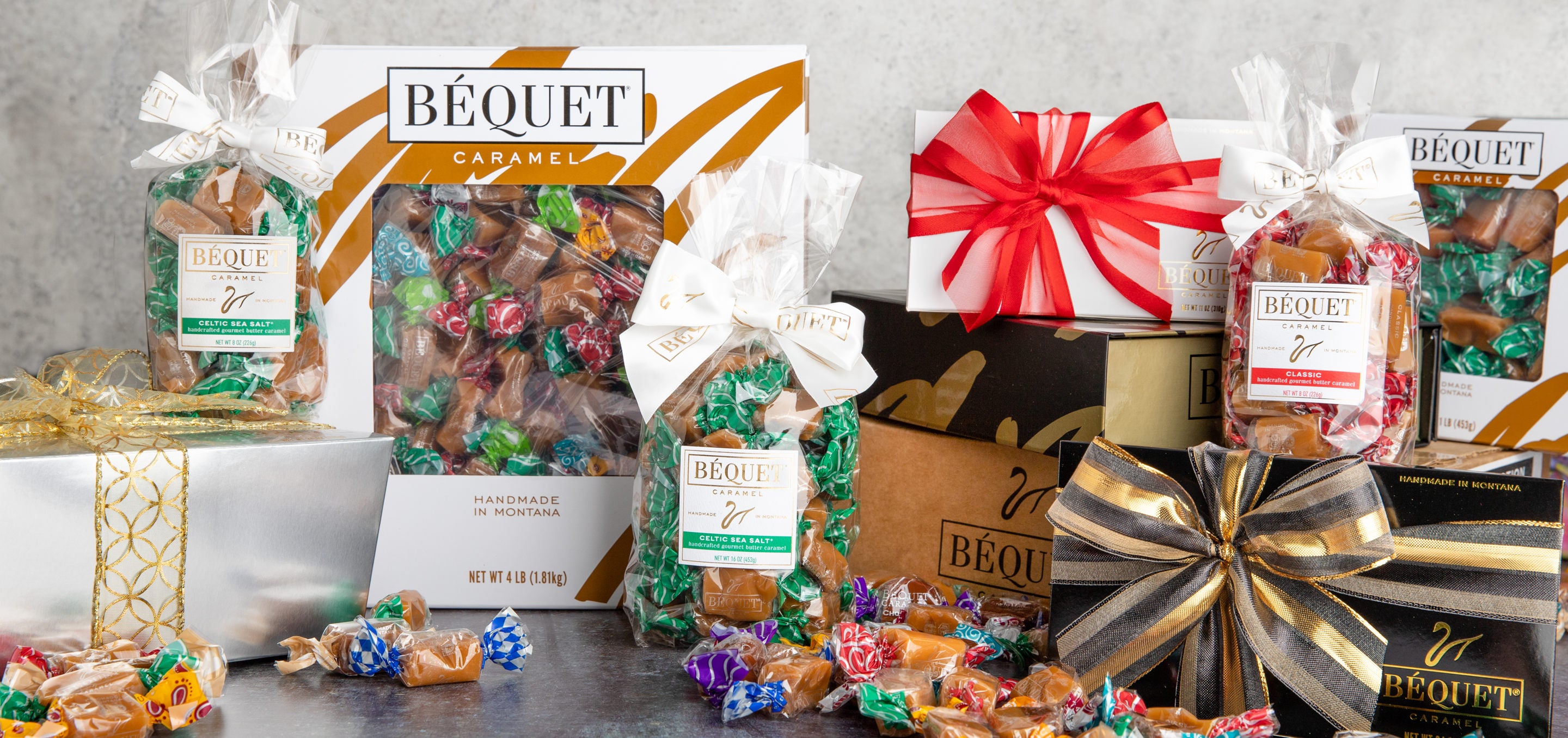
Ready to taste what quality caramel can do? Browse Béquet's full collection of award-winning gourmet caramel and bring home the kind of flavor that turns a simple tradition into something worth savoring.
Frequently Asked Questions
What is the best apple for dipping in caramel?
Granny Smith is the most popular choice because its firm texture holds up under warm caramel and its tartness balances the sweetness. Honeycrisp and Pink Lady also work well for a slightly sweeter, juicier bite.
What is the difference between a caramel-coated apple and a candy apple?
Candy apples use a hard, crunchy sugar shell. The caramel-coated version uses a soft, chewy coating made from butter, cream, and sugar, delivering more richness and depth.
Why does the coating sometimes slide off?
Moisture on the apple's surface prevents the caramel from adhering. Wash and thoroughly dry your apples before dipping, and remove any wax coating with warm water for the best results.
What toppings pair best with caramel-dipped apples?
Crushed toasted pecans, sea salt flakes, mini chocolate chips, toffee bits, and drizzled dark chocolate all complement a buttery caramel coating. For a more refined version, try a light finish of Celtic Sea Salt® and a ribbon of melted dark chocolate.
Can you make caramel-dipped apples ahead of time for a party?
Yes. Once dipped and set, store them in the refrigerator on parchment-lined trays. Bring them to room temperature for about 15 minutes before serving so the coating softens to its ideal chewy texture. Preparing them a day in advance works well for most gatherings.