





Every chocolate bar starts as a bitter seed buried inside a tropical fruit. So, how is chocolate made? The path from that raw cacao bean to a polished, snappable bar involves a carefully timed sequence of steps, each one shaping flavor, texture, and finish in ways most people never see.
A closer look at how chocolate is made adds a new layer of appreciation, whether you are savoring a single-origin dark square or a soft chocolate caramel layered with Celtic Sea Salt®.
Where Cacao Beans Come From
Cacao trees (Theobroma cacao) grow in warm, humid regions near the equator. Most of the world’s cacao comes from West Africa, Central and South America, and Southeast Asia.
Each tree produces about 50 to 60 pods per year. Inside every pod are 20 to 50 cacao beans surrounded by a sweet, sticky pulp.
Harvest Season and Selection
Workers cut ripe pods from the tree by hand, using long-handled knives to protect the trunk and future growth. Timing is critical. Pods picked too early produce flat, underdeveloped flavors, while overripe pods risk spoilage before fermentation even begins.
The Chocolate Making Process Step by Step
Once harvested, cacao beans move through a precise series of stages that develop aroma, reduce bitterness, and build the smooth finish chocolate lovers expect.
Step 1: Fermentation and Drying
Beans and pulp go into fermentation boxes for five to seven days. Natural yeasts and bacteria break down the pulp, reduce astringency, and create the complex aromas, fruity, nutty, even floral, that define quality chocolate. Without fermentation, the beans would taste raw and harsh. After fermentation, beans are sun-dried for up to 14 days to remove excess moisture and prevent mold.
Step 2: Roasting and Winnowing
Roasting deepens flavor and drives off remaining moisture. Temperature and duration depend on the bean variety and the intended product. Delicate beans destined for high-end dark chocolate roast at lower temperatures for longer periods, preserving subtle notes. After roasting, the outer shells are cracked away through winnowing, leaving behind the cocoa nibs.
Step 3: Grinding and Conching
Nibs are ground into a thick paste called chocolate liquor, a name that has nothing to do with alcohol, containing both cocoa solids and cocoa butter. A conching machine then kneads and aerates the paste for hours or even days, smoothing the texture and balancing the flavor.
Step 4: Tempering
Tempering follows. The chocolate is heated, cooled, and reheated to form stable cocoa butter crystals. Proper tempering gives finished chocolate a glossy surface, a clean snap, and a melt-in-your-mouth quality. Skip the step, and the surface turns dull or develops white patches known as bloom.
How Chocolate Is Manufactured for Different Types
The core process stays the same, but ingredients and technique adjustments create distinct results.
|
Chocolate Type |
Key Ingredients |
Notable Process Differences |
|
Dark Chocolate |
Cocoa liquor, cocoa butter, sugar |
Highest cocoa percentage, longer conching, precise tempering for firm snap |
|
Milk Chocolate |
Cocoa liquor, cocoa butter, sugar, milk solids |
Balanced cocoa-to-milk ratio, softer texture from milk fat |
|
White Chocolate |
Cocoa butter, sugar, milk solids |
No cocoa solids, relies on cocoa butter quality, sensitive to overheating |
What Happens After the Bar
Great chocolate invites pairing. When high-quality chocolate meets a confection built with the same attention to sourcing and process, the result is genuinely satisfying. You will find that global confections - from artisanal truffles to regional specialties like Dubai caramel candy - follow similar principles of balancing texture, sweetness, and flavor depth.
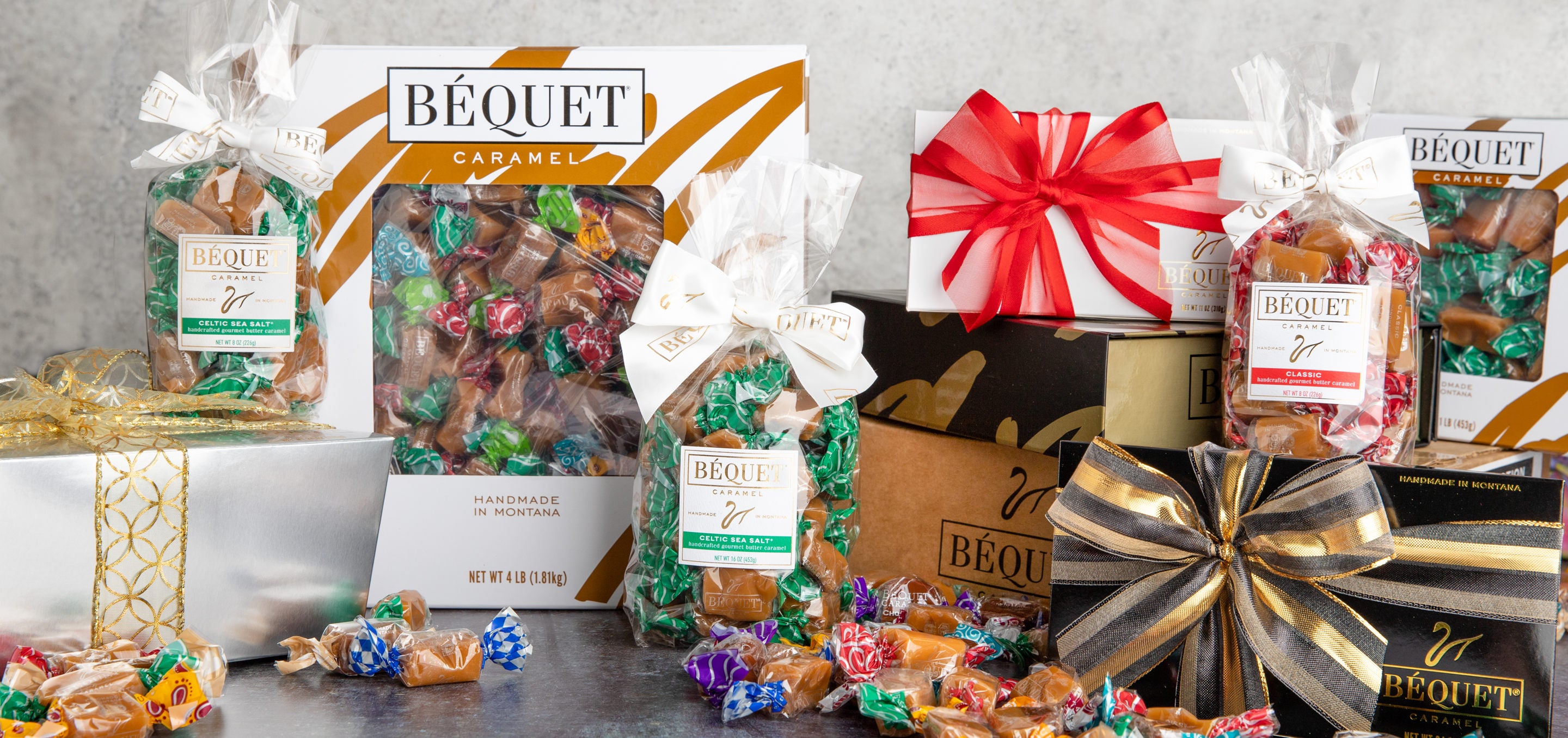
- Béquet's dark chocolate caramel combines soft, rich chocolate with slow-cooked butter caramel and a Celtic Sea Salt® finish, layering three distinct flavors in one piece
- A buttery espresso caramel with a salt-chocolate layer brings roasted coffee depth alongside chocolate's natural complexity
- For a pure chocolate experience, our chocolate butter caramel delivers dark chocolate decadence with clear caramel overtones
- A bright contrast comes from pairing chocolate with gourmet caramel candy finished with Celtic Sea Salt®

Knowing how chocolate is manufactured, from bean selection through tempering, helps explain why ingredients and process matter at every stage. The same philosophy that drives careful chocolate production also guides small-batch caramel made with all-natural ingredients and traditional techniques.
From Bean to Something Worth Savoring
Every step in chocolate production, from fermentation through tempering, exists to coax flavor and texture out of a bitter seed. Understanding that process changes the way you taste a finished bar or a carefully crafted chocolate caramel.
Good chocolate, like good caramel, rewards the patience behind the craft.
Frequently Asked Questions
1. How long does the chocolate-making process take?
Starting from dried cacao beans, with the right equipment, roughly two to three days. Fresh cacao pods add over a week for fermentation and drying alone.
2. What is the difference between cacao and cocoa?
Cacao refers to the raw, unprocessed bean. Cocoa describes the roasted, processed version used in chocolate products and baking.
3. What gives dark chocolate a more intense flavor than milk chocolate?
Dark chocolate contains a higher percentage of cocoa solids and no milk solids, allowing the natural bitterness and complexity of the bean to come through more directly.
4. Does the chocolate-making process affect caffeine content?
Yes. Dark chocolate retains more cocoa solids, which means more natural caffeine. Milk chocolate contains less, and white chocolate has virtually none since cocoa solids are absent entirely.
5. Why does chocolate sometimes develop a white coating?
That coating is called bloom. Fat bloom happens when cocoa butter rises to the surface in warm storage. Sugar bloom occurs when moisture dissolves surface sugar. Neither affects safety, but both change texture and appearance.
6. Can you make chocolate without tempering?
Technically, yes, but the result lacks the glossy finish, firm snap, and smooth melt that define well-made chocolate. Untempered chocolate tends to be soft, streaky, and crumbles rather than breaks cleanly.