






Walk through any specialty grocery store, and you'll notice the salt aisle has expanded. Pink crystals, black flakes, smoked varieties, and somewhere among them, a slightly damp, grey-hued salt that has quietly built a devoted following. The salt occupies a particular space in the culinary world, one defined by tradition, terroir, and a mineral profile that sets it apart from the refined white grains most kitchens default to.
For anyone curious about what goes into gourmet food, understanding this ingredient is worth the time. And for caramel lovers, the connection between this ancient salt and the confection in your hand runs deeper than you might expect.
What Is Celtic Salt
Celtic salt is an unrefined sea salt harvested from tidal pools along the Atlantic coastlines of France, Spain, Portugal, Guatemala, Mexico, and Hawaii. The name refers to the traditional harvesting methods used in Brittany, France, where artisans have raked salt from clay-lined evaporation ponds for centuries.
What makes Celtic sea salt visually distinctive is its natural grey color, a result of the clay that lines the ponds where the salt crystallizes. Unlike refined table salt, the unrefined variety retains moisture and a broad spectrum of naturally occurring trace minerals from the seawater it originates from. The crystals are coarser, slightly damp to the touch, and carry a more complex flavor than processed alternatives.
The harvesting process is labor-intensive and season-dependent. Sun and wind drive evaporation naturally, without the industrial heat processing used to produce standard table salt. Salt rakers, known as paludiers, guide the crystals from the ponds by hand using traditional wooden tools. The result is a salt that reflects the specific geography and mineral composition of the coastal waters where it formed.
How Celtic Salt Differs from Table Salt and Other Sea Salts
Not all salt is the same, and the differences go beyond packaging.
Table salt is mined from underground deposits, then heavily processed to remove minerals and moisture. Anti-caking agents are added to keep the grains free-flowing. The result is a uniform, sharp saltiness with no mineral complexity.
Standard sea salt is evaporated from ocean water, often using industrial methods. While it retains some trace minerals, most commercially available sea salt is refined enough to lose much of the character that distinguishes one salt from another.
Sel gris, or grey salt, sits at the opposite end of that spectrum. Minimal processing preserves both moisture and the full mineral profile of the source water. The flavor is rounder, less sharp, and carries a subtle earthiness that chefs and confectioners value for finishing work.
For a deeper comparison with other popular salts, the Béquet blog covers Celtic salt vs. Himalayan salt in detail, and a separate post explores the broader benefits of Celtic salt as an ingredient.
Culinary Uses, From Cooking to Confectionery
Celtic salt uses in the kitchen span a wide range, from everyday cooking to precise finishing work.
As a cooking salt, the salt dissolves evenly due to its natural moisture, distributing flavor throughout a dish rather than creating concentrated pockets of saltiness. Soups, stews, roasted vegetables, and braises all benefit from the mineral depth that refined salt cannot replicate.
As a finishing salt, a pinch on grilled meat, fresh bread, or roasted potatoes adds a subtle crunch and complexity that elevates the final dish. The coarser crystals hold their shape long enough to create contrast on the palate.
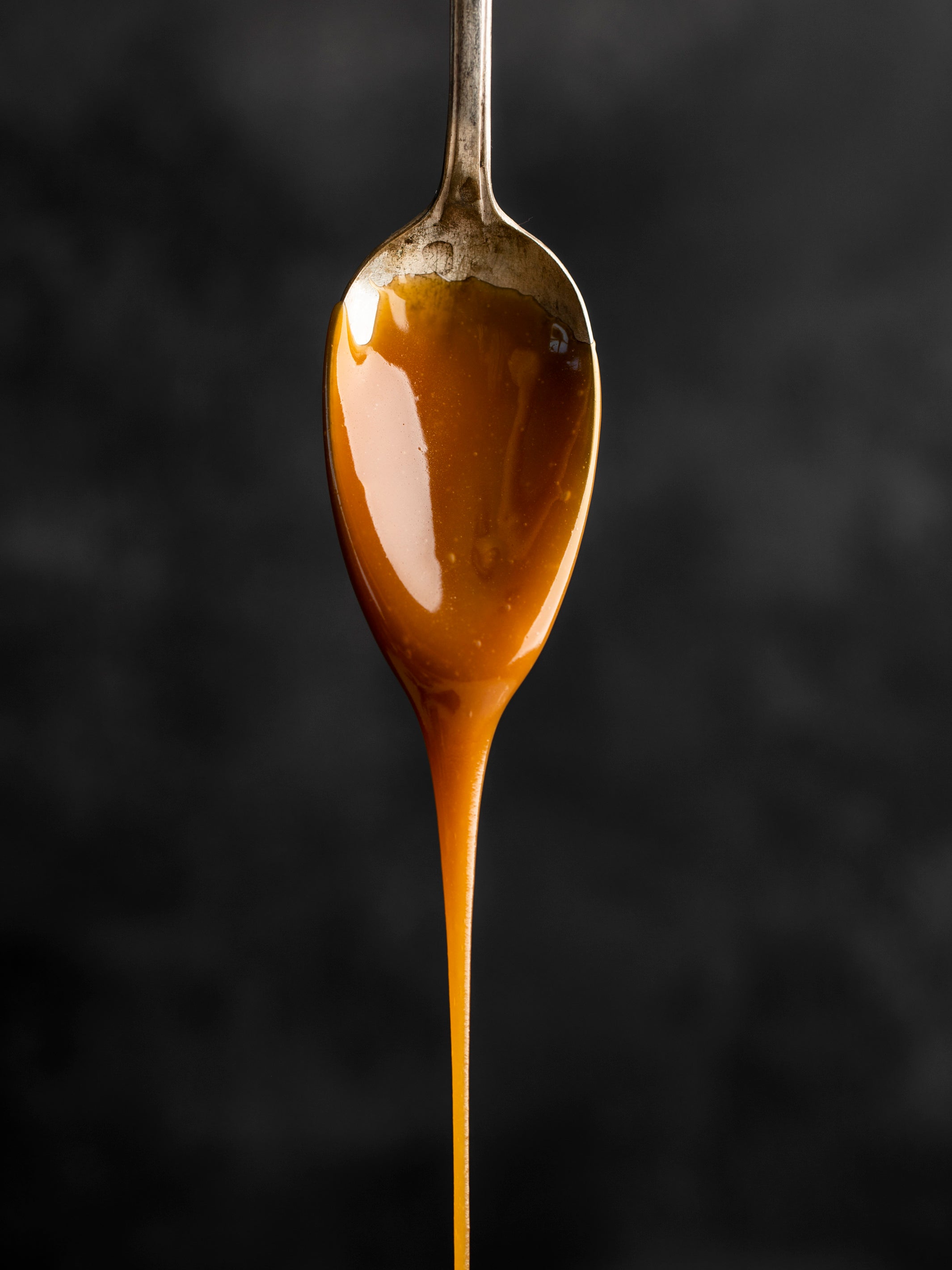
In confectionery, Salt plays a specific and essential role in caramel. Caramel-making is fundamentally about balance, the interplay between sweetness, bitterness from caramelized sugar, richness from butter and cream, and salt. Adding salt at the right stage of the cooking process sharpens flavor perception, reduces one-dimensional sweetness, and creates the layered taste profile that separates gourmet caramel from ordinary candy.
The mineral complexity gives this salt an advantage over refined alternatives in confectionery. Where table salt delivers a flat, one-note hit, the unrefined crystals introduce a rounder, more nuanced salinity that complements rather than competes with the caramel's buttery depth.
Why Celtic Sea Salt® Is the Signature Ingredient in Béquet's Award-Winning Caramel
At Béquet, Celtic Sea Salt® is not an afterthought. The salt is central to the Celtic Sea Salt® Caramel that has become the brand's most recognized variety, and the one that earned the 2022 SOFI™ Gold Award from the Specialty Food Association.

Every batch of Béquet caramel starts with a slow-cooked vanilla butter base made from all-natural ingredients, including tapioca syrup, antibiotic-free dairy, and pure brown sugar. A subtle finish of hand-harvested Celtic Sea Salt® is added to accentuate the buttery flavor without making the caramel taste salty. The salt sharpens the brown sugar notes, deepens the richness of the cream, and adds a refined finish that keeps you reaching for another piece.
Why do caramel makers use Celtic salt instead of regular salt? Because the difference is one you can taste. The mineral complexity adds depth that flat, processed salt simply cannot deliver. In a confection where every ingredient is chosen for precision, the salt matters as much as the sugar.
Béquet has earned 12 national awards for confectionery excellence across multiple varieties, but Celtic Sea Salt® remains the one most people reach for first. The caramel is certified gluten-free, made in a nut-free facility, and available in multiple formats from resealable pouches to gift-ready boxes.
Shop Celtic Sea Salt® Caramels
FAQs
What is Celtic salt and how is it different from regular salt?
An unrefined sea salt harvested from coastal tidal pools, primarily along the Atlantic coast of France, Celtic salt stands apart from processed varieties. Unlike regular table salt, which is heavily processed with anti-caking agents added, it retains its natural moisture and trace minerals. The result is a coarser, slightly grey crystal with a rounder, more complex flavor profile.
Where does Celtic salt come from?
The salt is traditionally harvested from clay-lined evaporation ponds along the coastlines of France, Spain, Portugal, Guatemala, Mexico, and Hawaii. The name "Celtic" refers to the centuries-old harvesting techniques first developed in the Brittany region of France.
Why do caramel makers use Celtic salt?
The mineral complexity and rounded flavor of the unrefined crystals make it a preferred choice for confectionery finishing. In caramel, the salt accentuates buttery and brown sugar notes without creating the sharp, one-dimensional saltiness that refined table salt produces. Béquet's Celtic Sea Salt® Caramel, which won the 2022 SOFI™ Gold Award, uses hand-harvested Celtic Sea Salt® as a signature finishing ingredient.
Can Celtic salt be used for everyday cooking?
Yes, the salt works well as both a cooking and finishing salt. The natural moisture allows crystals to dissolve evenly in dishes like soups, stews, and roasted vegetables. As a finishing salt, a small pinch adds crunch and mineral depth to grilled meats, bread, and salads.
Is Celtic salt the same as fleur de sel?
No. Both originate from French coastal salt marshes, but the harvesting methods and resulting textures are different. Sel gris is raked from the bottom of the evaporation ponds, producing a coarser, moister crystal. Fleur de sel is skimmed from the water's surface, creating a finer, flakier salt used exclusively for finishing.