





One is grey and slightly damp. The other glows a soft pink.
The conversation around Celtic salt vs himalayan salt has grown louder in recent years, and for good reason. Both carry trace minerals, both bring character that table salt cannot match, and both have earned loyal followings among food enthusiasts.
So, which one deserves a permanent place in your kitchen?

What Makes Celtic Salt and Himalayan Salt Different
Where Each Salt Comes From
Celtic Sea Salt® is harvested from tidal pools along the coasts of France, Spain, Portugal, Guatemala, Mexico, and Hawaii. Artisans use centuries-old techniques, raking salt from clay-lined ponds while sun and wind handle the evaporation. The result is a moist, mineral-rich crystal with a natural grey hue.
Himalayan salt is mined from underground deposits in the Punjab region of Pakistan, where ancient sea beds dried millions of years ago. The pink color comes from iron oxide and other trace elements locked inside the crystal.
How Color Tells the Story
Grey and damp signals retained moisture and a broad mineral profile. Dry and pink signals iron-rich deposits and a long geological history. Neither color is better, but each hints at a different journey from source to table.
Celtic Sea Salt vs Himalayan Salt at a Glance
|
Feature |
Celtic Sea Salt® |
Himalayan Salt |
|
Source |
Coastal tidal pools (France, Spain, Portugal, others) |
Underground mines (Punjab, Pakistan) |
|
Color |
Grey |
Pink |
|
Texture |
Moist, coarse crystals |
Dry, coarse or fine crystals |
|
Harvesting |
Sun and wind evaporation, hand-raked |
Mined from ancient rock deposits |
|
Key Trace Minerals |
Magnesium, potassium, calcium, zinc |
Iron, magnesium, potassium, calcium |
|
Flavor |
Briny, mild, slightly earthy |
Mild, clean, subtle mineral finish |
|
Moisture |
Naturally damp |
Very low |
Mineral Content: What Matters Most
Both salts contain trace minerals beyond sodium chloride, including magnesium, potassium, and calcium. Celtic Sea Salt® retains a broader range because of its traditional harvesting and minimal processing. For a deeper look at how these minerals contribute to overall wellness, explore the celtic salt benefits. Himalayan salt carries iron as its standout trace element.
Mineral quantities in any finishing salt are small relative to a balanced diet. What does change noticeably is flavor, texture, and how a salt pairs with specific ingredients.
Flavor, Texture, and Everyday Cooking
Taste is where the Celtic sea salt vs himalayan salt comparison gets truly interesting.
A Briny Complexity
Celtic Sea Salt® has a subtle, briny quality with mild earthiness. Natural moisture means crystals dissolve quickly, spreading flavor evenly. Chefs often reach for Celtic salt when seasoning butter caramel, finishing roasted vegetables, or adding depth to baked goods.
A Clean, Mild Finish
Himalayan salt offers a cleaner, more neutral salinity. The dry crystal holds its shape longer, making it popular for grilling and salt-block presentations. Where Celtic salt blends into a dish, Himalayan salt sits on top as a finishing accent.
Which Salt Is Better for Cooking?
Celtic Sea Salt® tends to perform better in recipes where the salt needs to dissolve evenly, including soups, sauces, baked goods, and caramel. Himalayan salt is often preferred as a finishing salt because the dry crystals retain their texture longer on the surface of food.
Is Celtic Salt Better Than Himalayan Salt
The better choice depends less on nutrition and more on how you plan to use the salt.
-
Choose Celtic Sea Salt® when a recipe benefits from briny depth and quick-dissolving texture.
-
Choose Himalayan salt when visual appeal and a clean, mild crunch matter most.
-
Keep both in your pantry and let the dish decide.
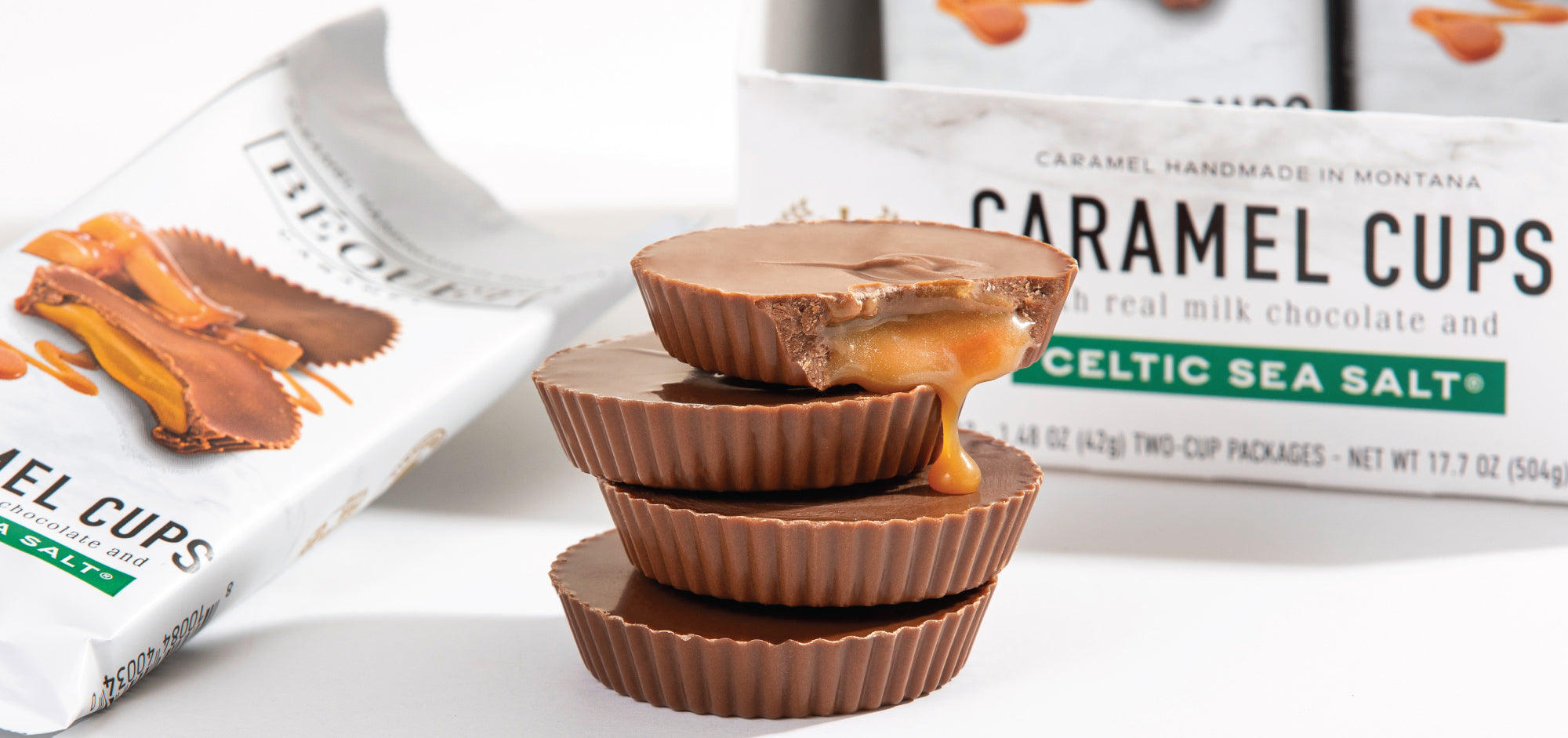
For gourmet caramel, the difference is unmistakable. At Béquet, we use Celtic Sea Salt® in our award-winning caramel because its mineral character accentuates buttery, creamy notes without overpowering them.
A subtle Celtic Sea Salt® finish entices the tongue and brings out the best in slow-cooked salted caramel candy, something a drier salt cannot replicate.
The Right Salt Changes Everything
Good salt does more than season food. A pinch of Celtic Sea Salt® on dark chocolate caramel brings three flavors into balance. A sprinkle of Himalayan salt on grilled steak adds clean contrast.
Once you notice how different salts interact with butter, sugar, and chocolate, seasoning becomes less about habit and more about craft.
Frequently Asked Questions
1. Does Celtic Sea Salt® taste different from Himalayan salt?
Yes. Celtic Sea Salt® has a briny, slightly earthy flavor with a moist texture, while Himalayan salt tastes milder and cleaner with a dry crystal structure.
2. Can I substitute one for the other in recipes?
In most cooking applications, yes. Adjust the amount, as Celtic Sea Salt® dissolves faster and distributes flavor more evenly than coarser Himalayan crystals.
3. Why does Béquet use Celtic Sea Salt® in caramel?
Celtic Sea Salt® carries trace minerals and a balanced brininess that accentuate buttery caramel flavors without harshness. Harvested using traditional methods, the salt preserves its natural character, making it ideal for small-batch confections.
4. Which salt is better for baking?
Celtic Sea Salt® works well in baking because its moisture helps crystals dissolve evenly into doughs and batters, distributing flavor throughout rather than leaving isolated salty pockets.
5. Does Himalayan salt have more sodium than Celtic salt?
Both salts are primarily sodium chloride. Celtic Sea Salt® generally has a slightly lower sodium concentration by weight due to its higher moisture and mineral content, but the difference is modest.
6. Can Celtic Sea Salt® be used as a finishing salt?
Absolutely. The moist, coarse crystals add a briny, mineral-bright accent when sprinkled over caramel, chocolate, grilled meats, or fresh salads just before serving.