






A well-chosen client gift says more than any follow-up email. A poorly chosen one can say even more, and none of it good. Professional gift etiquette sits at the intersection of generosity and good judgment, where the goal is to show genuine care, not to impress with price tags.
Understanding business gift-giving rules keeps the gesture meaningful and the relationship intact.
Why Corporate Gifting Guidelines Matter
Gift giving at work carries weight that personal gifting does not. A client gift reflects your brand's values, your attention to detail, and your respect for the recipient's boundaries. Missteps, like sending something too personal, too generic, or too extravagant, can shift a professional dynamic in the wrong direction.
Strong corporate gifting guidelines protect both parties. A thoughtful framework ensures every gift feels intentional rather than obligatory.
The Dos of Sending Client Gifts
A few principles go a long way when you are building a gifting approach that feels polished and personal.
Prioritize Quality and Craftsmanship
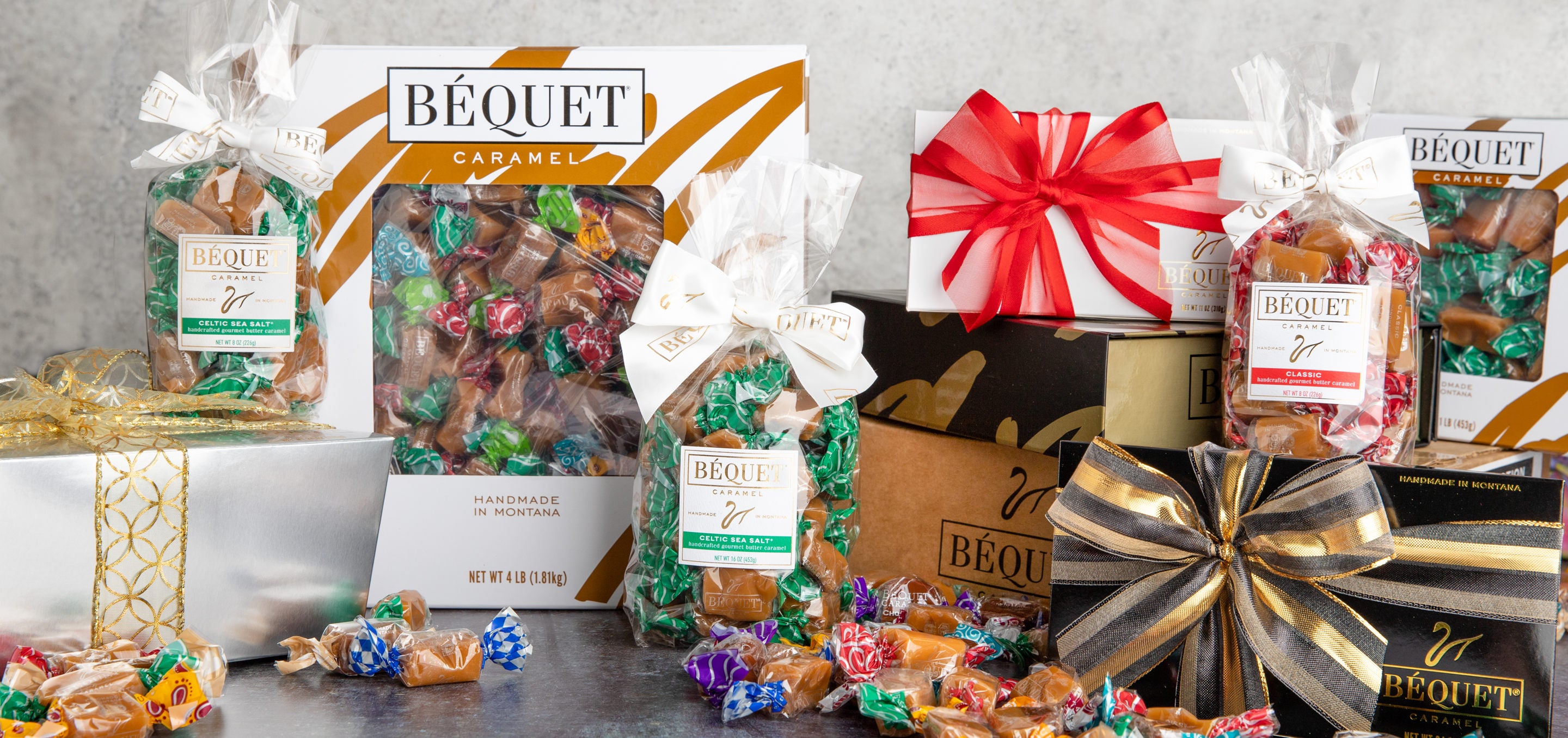
One beautifully made item outperforms a box of forgettable branded merchandise every time. Small-batch gourmet caramel, artisan chocolates, or specialty coffee all signal that you value the recipient enough to choose something with care. A gift made with all-natural ingredients and real craftsmanship creates a sensory experience that lingers well beyond the unwrapping.
Personalize Without Overstepping
One beautifully made item outperforms a box of forgettable branded merchandise every time. Small-batch gourmet caramel, artisan chocolates, or specialty coffee all signal that you value the recipient enough to choose something with care. For larger client lists or recurring gifting, selecting Bulk Caramels maintains premium quality while scaling your efforts efficiently. A gift made with all-natural ingredients and real craftsmanship creates a sensory experience that lingers well beyond the unwrapping.
Check Company Policies First
Many organizations cap gift values or restrict certain categories. A quick policy review before purchasing saves you from an awkward return or, worse, a compliance issue. When in doubt, food gifts in the moderate price range are almost universally accepted.
The Don'ts Every Professional Should Know
Avoiding common mistakes is just as important as getting the positive gestures right.
Skip being Logo-Heavy
Branded pens, tumblers, and tote bags feel more like marketing than generosity. Professional gift etiquette calls for items the recipient genuinely enjoys, not walking advertisements. Small, unnoticeable identifications are usually okay, but if your company name is the biggest feature of the gift, reconsider the approach.
Steer Clear of Overly Personal or Extravagant Choices
Perfume, jewelry, and designer accessories cross a line in most professional settings. Similarly, an excessively expensive gift can create discomfort or even trigger compliance concerns. The sweet spot sits somewhere between thoughtful and restrained, where the gift feels generous without any strings attached.
Never Default to Cash or Generic Gift Cards
Cash feels transactional in a client relationship. A store-specific gift card is only marginally better. Curated food gifts, like slow-cooked butterscotch caramel or a coffee-flavored caramel collection, offer something personal and consumable without the awkwardness.
What Makes a Great Client Gift
Not all gifts carry the same weight. Here is a quick comparison to guide your selection.
|
Gift Type |
Impact |
Risk Level |
|
Artisan food gifts (caramel, chocolate, specialty items) |
High, memorable, universally appropriate |
Low |
|
Branded company merchandise |
Low, often discarded |
Medium, feels impersonal |
|
Generic gift cards |
Moderate, convenient but forgettable |
Low |
|
Alcohol |
Moderate for some recipients |
High, cultural and policy conflicts |
|
Personal items (clothing, fragrance) |
Potentially high if well-chosen |
High, can feel inappropriate |
Award-winning caramel checks every box for a professional gift. A product backed by 12 national awards, made with all-natural ingredients in Montana, signals quality without excess.

Flavors like Celtic Sea Salt® and Chipotle offer variety that sparks conversation, and the presentation feels polished enough for any client relationship.
How to Time and Present Your Gift
Now that you have decided on an appropriate gift, it is important to know when and how to send it.
Celebrate Milestones, Not Just Holidays
Everyone sends holiday gifts. Standing out means marking a deal anniversary, a product launch, or a simple thank you for the partnership moment in the middle of Q2. Unexpected timing makes the gesture more memorable.
Pair Every Gift with a Note
A two-sentence handwritten note turns any small-batch caramel gift from nice to genuinely thoughtful. Keep the message specific: mention the project, the milestone, or what you appreciate about working together.
The Gift That Always Works
A great client gift does not close a deal or buy loyalty. What it does is far more valuable: it tells someone you paid attention.
The right choice, whether a box of slow-cooked caramel or a carefully paired selection of flavors, carries a message no email template can replicate.
Gift well, gift thoughtfully, and let the gesture speak for itself.
Frequently Asked Questions
1. What is the safest gift to send a client you do not know well?
Artisan food gifts are the safest option. Gourmet caramel made with all-natural ingredients is universally appropriate, avoids dietary complications common with baked goods, and arrives beautifully packaged.
2. Are there price limits for business gift-giving rules?
Always verify the recipient's company policy. Food gifts in this range, especially award-winning confections, strike the right balance of quality and appropriateness.
3. Should gifts be sent to a client's office or home?
Office delivery is the standard for professional gift etiquette. Sending to a home address can feel intrusive unless you have an established, close working relationship with the recipient.
4. Is food a good gift for clients with dietary restrictions?
Food gifts work well when you choose options with clear ingredient transparency. Certified gluten-free confections made with all-natural ingredients, like Béquet caramel, accommodate many dietary needs while still feeling special.
5. How often should you send gifts to the same client?
One to three times per year is the comfortable range. Mark a major milestone, send a year-end thank-you, and consider one unexpected mid-year gesture. More than that risks feeling excessive rather than genuine.
6. Can a small team send a group gift to a single client contact?
Absolutely. A group gift from the team feels generous without putting pressure on any one person's budget. A curated caramel gift box with a signed card from the whole team strikes exactly the right tone.