



Walk down any grocery aisle, and you will find candy for under two dollars a bag. The price difference is not just about packaging or perception.
When comparing cheap candy vs expensive candy, the difference goes beyond branding. Ingredients, process, and standards tell the full story.

What Separates Cheap Candy from Expensive Candy at the Ingredient Level
The ingredient list is where cheap candy and premium confections part ways. Mass-market candy relies on cost-efficient substitutes to hit a price point, while quality confections build flavor from all-natural components that cost more but deliver a noticeably different experience.
Sweeteners Set the Foundation
Cheap candy typically lists high fructose corn syrup as its primary sweetener, an ingredient that is inexpensive but contributes a one-dimensional sweetness with a lingering, syrupy aftertaste.
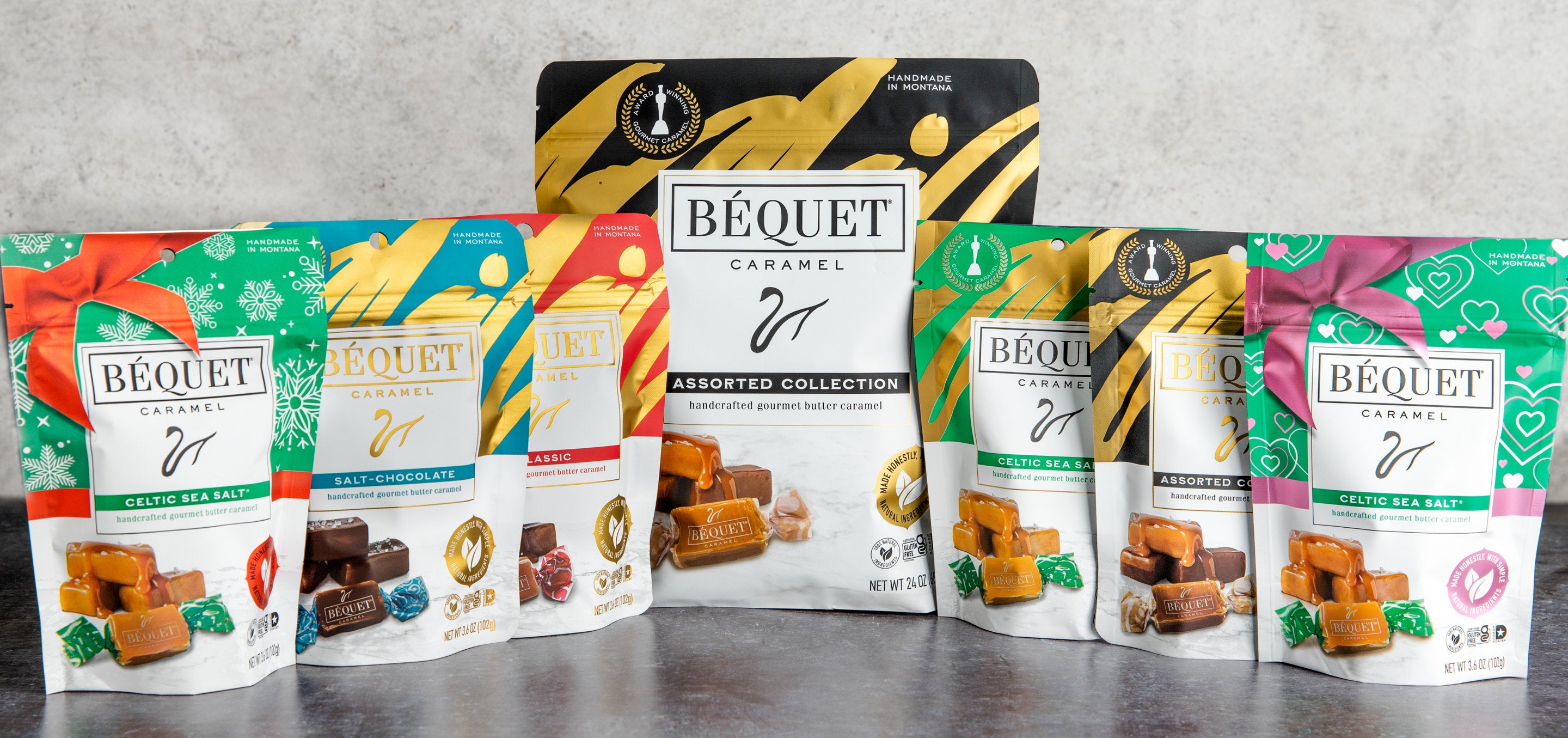
Gourmet confections lean toward pure cane sugar, brown sugar, or tapioca syrup, each bringing different depth and warmth. At Béquet, every batch of slow-cooked caramel uses tapioca syrup and pure brown sugar rather than cheap fillers, a choice that directly shapes the smooth, balanced sweetness of every piece.
Dairy and Fat Make or Break the Texture
Budget candy often substitutes real butter and cream with hydrogenated oils, palm kernel oil, or artificial dairy flavoring, resulting in a waxy mouthfeel that melts unevenly.
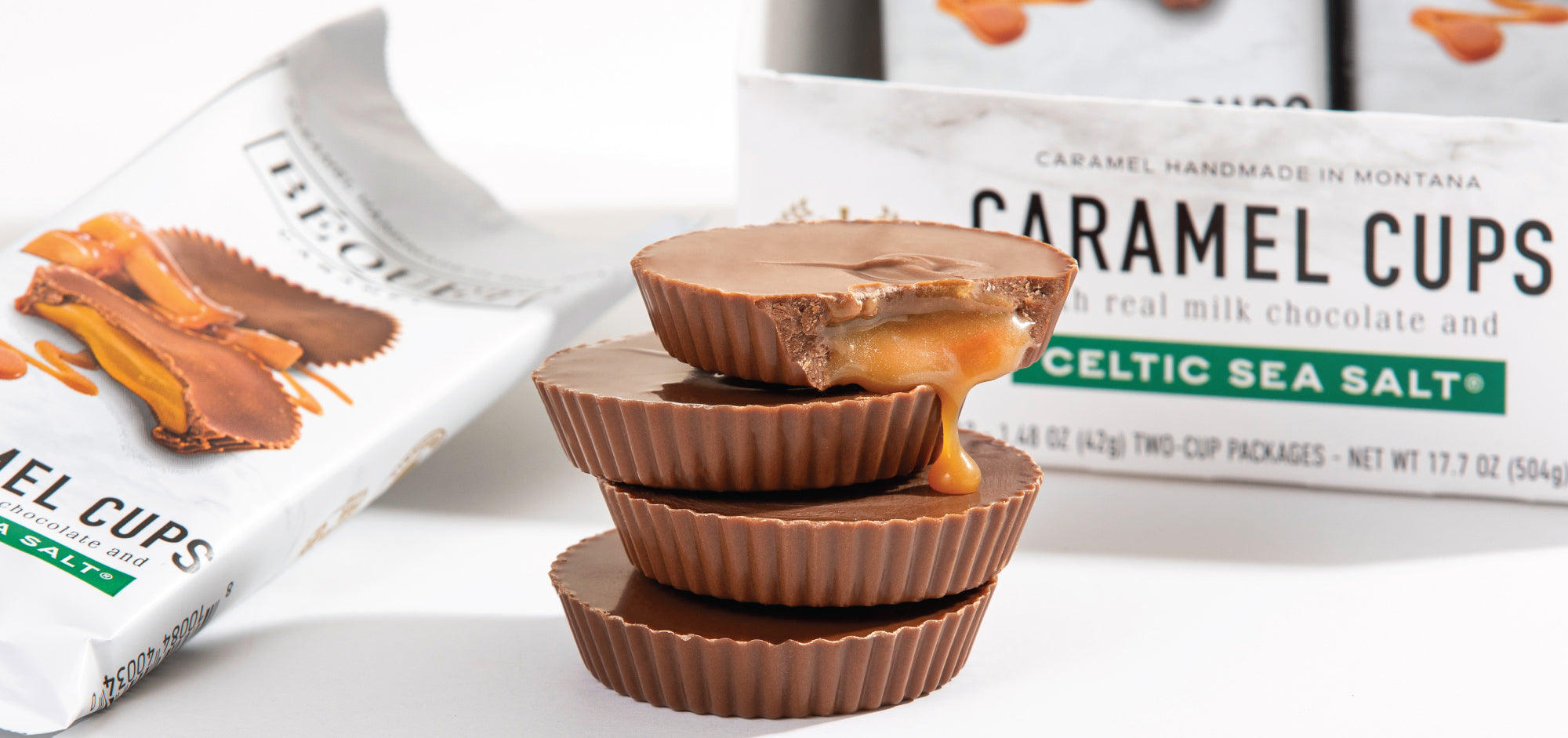
Premium butter caramel depends on real cream and butter for its silken, melt-in-your-mouth texture. Béquet uses antibiotic-free dairy in every variety, from the Classic Vanilla to the rich Salt-Chocolate, because the quality of the fat determines the quality of the caramel.
Flavorings, Colors, and Additives
Artificial flavorings and synthetic dyes keep production costs low for mass-market brands. Expensive candy vs cheap candy often comes down to whether the flavor is built from real ingredients or built from artificial flavor systems rather than whole ingredients. A gourmet confection like Béquet's Chipotle caramel gets its smoky warmth from actual chipotle and jalapeño, not a flavor packet.
Why Cheap Candy Tastes Different
Cheap candy is often formulated for shelf stability and cost efficiency first. High fructose corn syrup, hydrogenated oils, and artificial flavorings create a sweeter, more uniform taste, but they can also leave behind a waxy texture or overly sugary finish. Premium candy focuses more heavily on ingredient quality, texture, and flavor balance.
Why Is Gourmet Candy Expensive
Price reflects process as much as ingredients. Here are the factors behind the cost of premium confections:
-
Ingredient sourcing: All-natural, antibiotic-free dairy and specialty ingredients like Celtic Sea Salt® cost significantly more than commodity alternatives.
-
Small-batch production: Slow-cooking in small batches allows precise temperature control and consistent texture, something a factory line cannot replicate.
-
No artificial shortcuts: Removing preservatives, artificial colors, and synthetic flavors means shorter shelf life and more attentive production.
-
Certifications: Maintaining standards like Certified Gluten Free requires ongoing testing and compliance.
-
Craftsmanship: A 12-time nationally awarded caramel does not happen by accident. Every step, from sugar selection to cook time, demands care.
Ingredient Choices Shape Flavor and Texture
A caramel made with real butter and tapioca syrup behaves differently on the tongue than one built from corn syrup and vegetable oil. The sweetness unfolds gradually, and the finish is clean rather than cloying.
Béquet's Celtic Sea Salt® Caramel is a strong example. The vanilla butter caramel base carries a subtle Celtic Sea Salt® finish that accentuates the buttery flavor rather than masking it. A mass-produced salted caramel often relies on table salt and artificial butter flavoring, creating a flat, one-note experience.
Paying attention to what goes into your candy means tasting the difference between something made with care and something made for margin.
Frequently Asked Questions
1. Does expensive candy always taste better than cheap candy?
Not always, but ingredient quality directly affects flavor, texture, and aftertaste. A small-batch caramel made with real butter and all-natural ingredients delivers a smoother, more complex taste than one built with artificial substitutes.
2. What should I look for on a candy ingredient label?
Real sugar sources like cane sugar, brown sugar, or tapioca syrup are a strong starting point. Look for actual dairy, natural flavorings, and the absence of hydrogenated oils, artificial colors, and preservatives. Certifications like Certified Gluten Free add confidence.
3. Is gourmet candy worth the higher price for gifting?
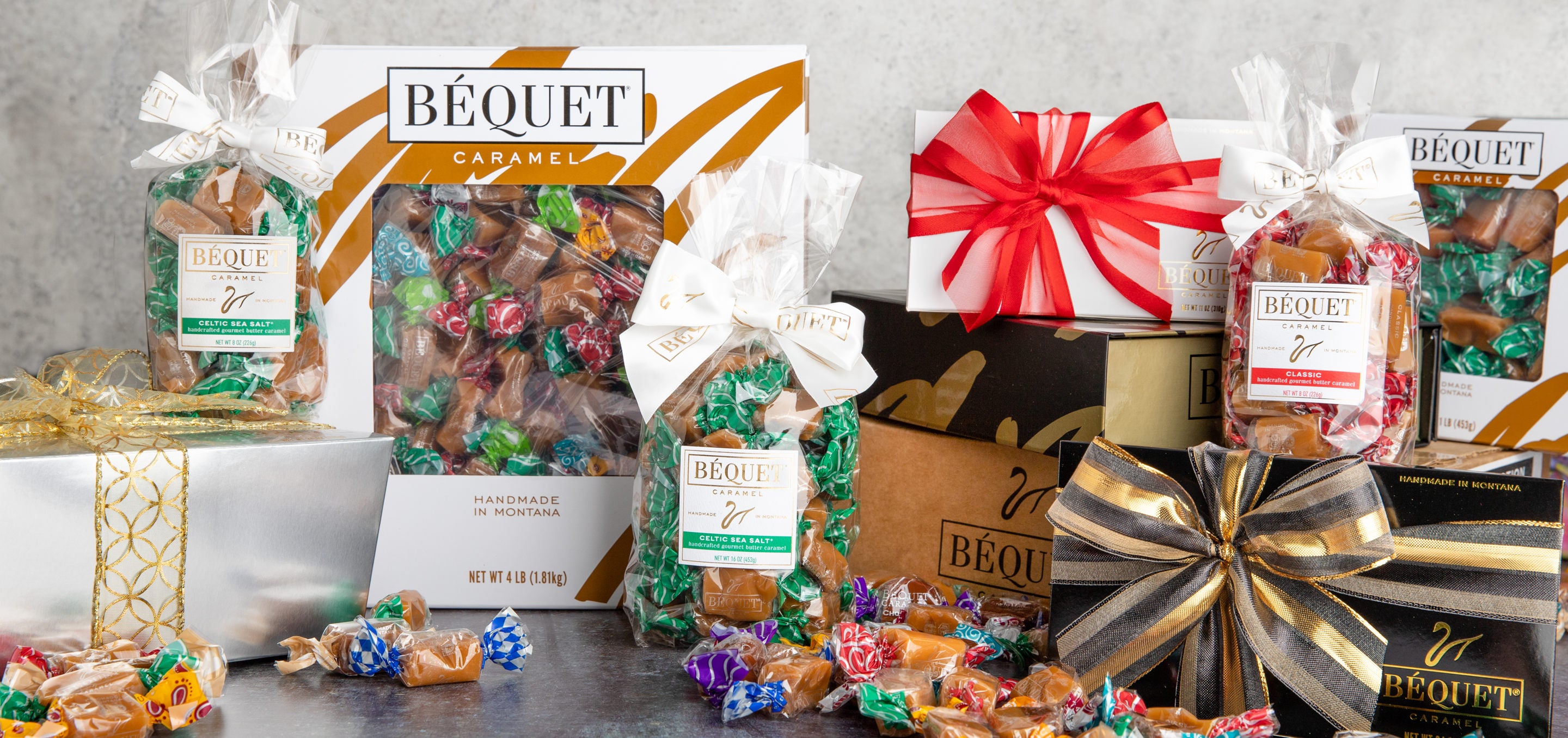
Premium confections made with all-natural ingredients and award-winning quality reflect thoughtfulness in a way mass-produced boxed candy cannot. A 12-time nationally awarded caramel, made in Montana in small batches, communicates something a generic gift tag never could.
4. How can you tell if a candy uses all-natural ingredients?
Read the ingredient list, not the front label. Look for recognizable components like butter, cream, cane sugar, and tapioca syrup, and avoid anything listing hydrogenated oils, artificial colors, or preservatives.
5. Does the way candy is cooked affect the final taste?
Yes. Small-batch caramel that is slow-cooked allows precise temperature control, which produces a smooth, creamy texture instead of a grainy or overly chewy bite.
6. Why does some caramel stick to your teeth while others melt smoothly?
The difference comes down to fat quality and cooking method. Caramel made with real butter and cream, slow-cooked to the right temperature, melts evenly rather than clinging to the teeth.