




One bite of soft, buttery caramel, and suddenly you are not sitting at your desk anymore. You are seven years old, standing in a warm kitchen, watching golden sugar melt on the stove while someone you love hums a half-remembered song.
The candy did more than taste good. It unlocked something emotional.
Candy and nostalgia share a bond rooted in brain chemistry, sensory wiring, and the emotional weight of formative experiences. Understanding why candy triggers nostalgia starts with a French novelist, a small cake, and the shortest nerve in the human body.

Why Does Candy Trigger Nostalgia
A single piece of gourmet caramel can bypass logic and language entirely. The connection between sweets and memory runs through some of the oldest structures in the brain.
The Proust Effect and Your Olfactory System
The Proust Effect is the term psychologists use for vivid, emotion-rich memories triggered by taste or smell, named after Marcel Proust's famous passage in In Search of Lost Time, where a madeleine cake unlocked a flood of childhood recollections.
Here is why smell is so powerful: the olfactory bulb, which processes scent, connects directly to the amygdala (your emotional center) and the hippocampus (your memory hub).
Unlike vision or hearing, smell does not pass through the brain's central relay station. Aroma reaches emotion and memory in milliseconds.
A Shortcut Straight to Emotion
Because taste and smell are tightly linked, eating a piece of candy engages both pathways simultaneously. The flavor of butterscotch does not just register as sweet. Your brain pairs that flavor with the emotional state you were in when you first experienced something similar, and plays the whole scene back. Scientists studying comfort food psychology have found that nostalgic flavors often become tied to feelings of safety, routine, and belonging.
|
Sense |
Brain Region Activated |
Role in Memory |
|
Smell |
Olfactory bulb → Amygdala |
Assigns emotional significance to the experience |
|
Taste |
Gustatory cortex → Hippocampus |
Encodes and retrieves the specific memory |
|
Combined (Flavor) |
Amygdala-Hippocampal complex |
Creates vivid, emotionally charged recall |
How Sweets and Memory Science Explain Flavor Recall
Sweets and memory science converge on one key finding: not all memories are created equal. Certain windows of life produce memories that stick harder and last longer.
The human brain forms its most emotionally intense memories between roughly ages 10 and 25. Psychologists call this the reminiscence bump. Candies enjoyed during birthday parties, holidays, and family gatherings during those years become permanently tied to the emotions surrounding them.
A piece of salt-finished chocolate caramel might remind someone of holiday dinners, not because the exact candy was there, but because the flavor profile mirrors something the brain cataloged decades ago.
The Role of Nostalgia and Food Psychology in What We Crave
Nostalgia and food psychology research shows that reaching for familiar flavors during stressful times is not random. The brain associates those flavors with safety and emotional stability.
When life feels unpredictable, the brain gravitates toward sensory experiences tied to calmer periods. A familiar sweet offers a genuine sense of continuity, which is why comfort foods tend to be simple, rich, and rooted in personal history.
A few reasons nostalgic flavors carry such emotional weight:
- Sensory anchoring: Flavor locks a moment in place more completely than a photograph or a story.
- Emotional pairing: The brain stores the taste alongside the feeling, so one recalls the other.
- Repetition and ritual: Sweets tied to holidays or family traditions gain emotional significance with every repeated experience.
- Social bonding: Sharing caramel at a gathering creates a collective memory that reinforces individual ones.
What Makes Certain Flavors Stay With You
Not every sweet earns a permanent place in memory. The ones that endure share a few qualities: real depth of flavor, a texture that demands attention, and ingredients that taste honest.
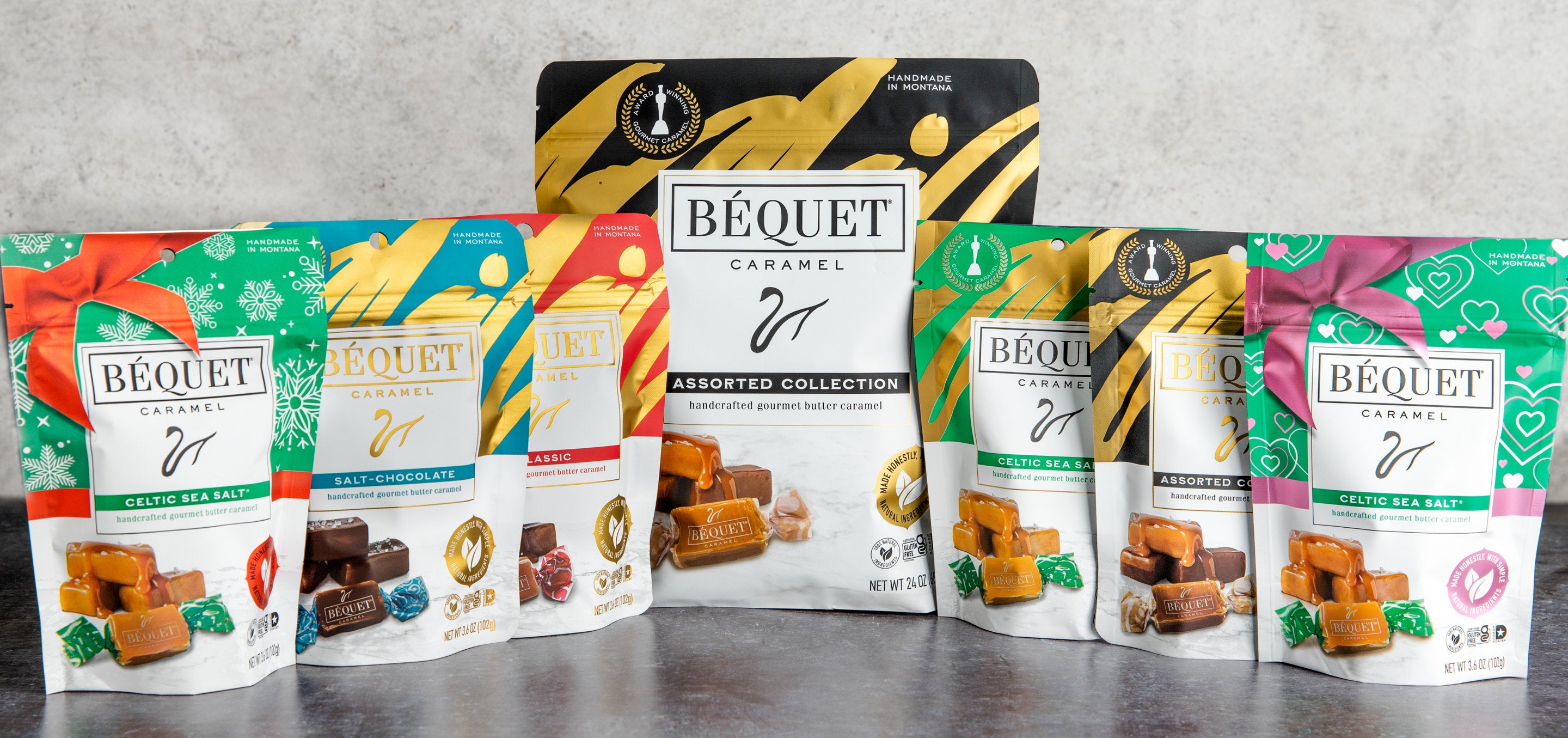
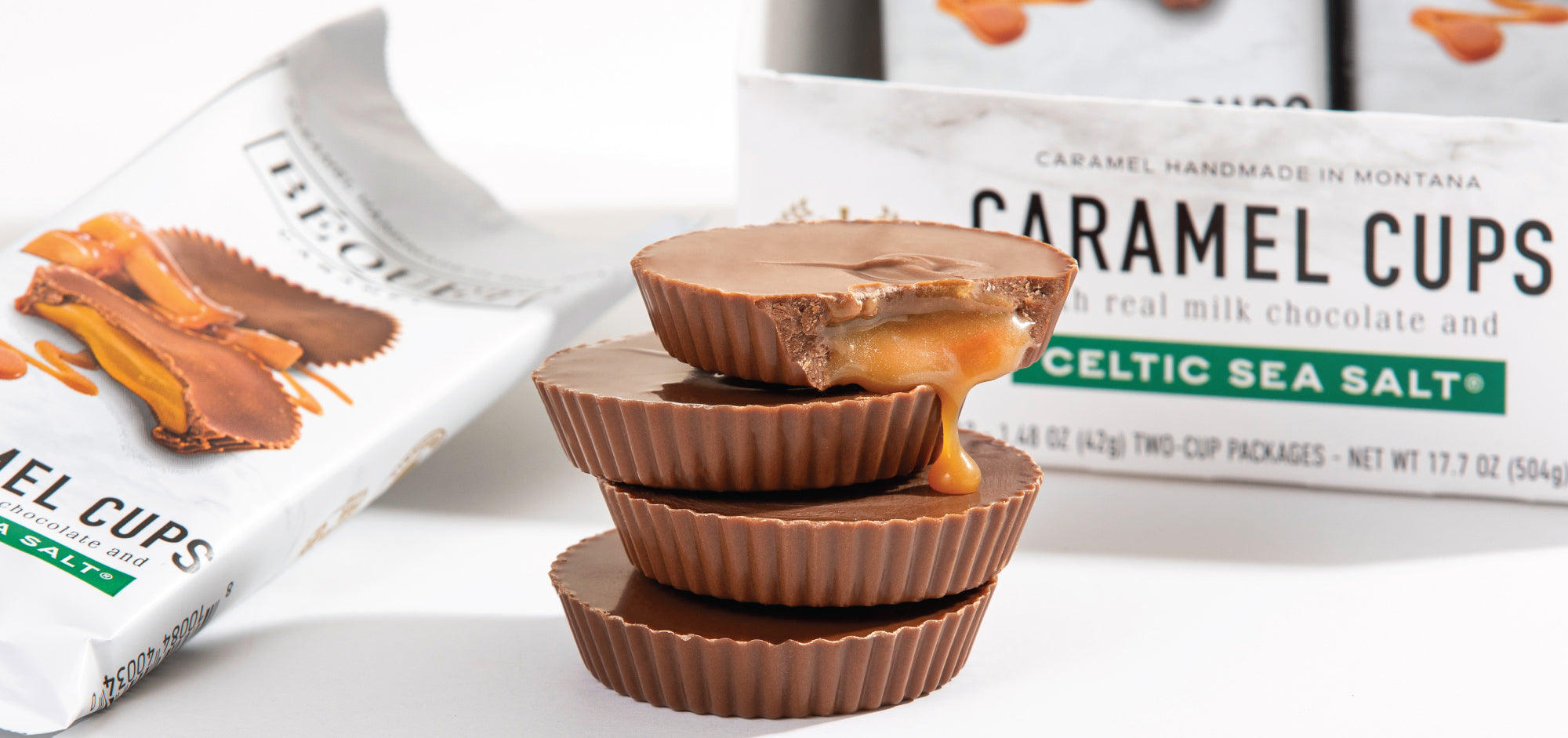
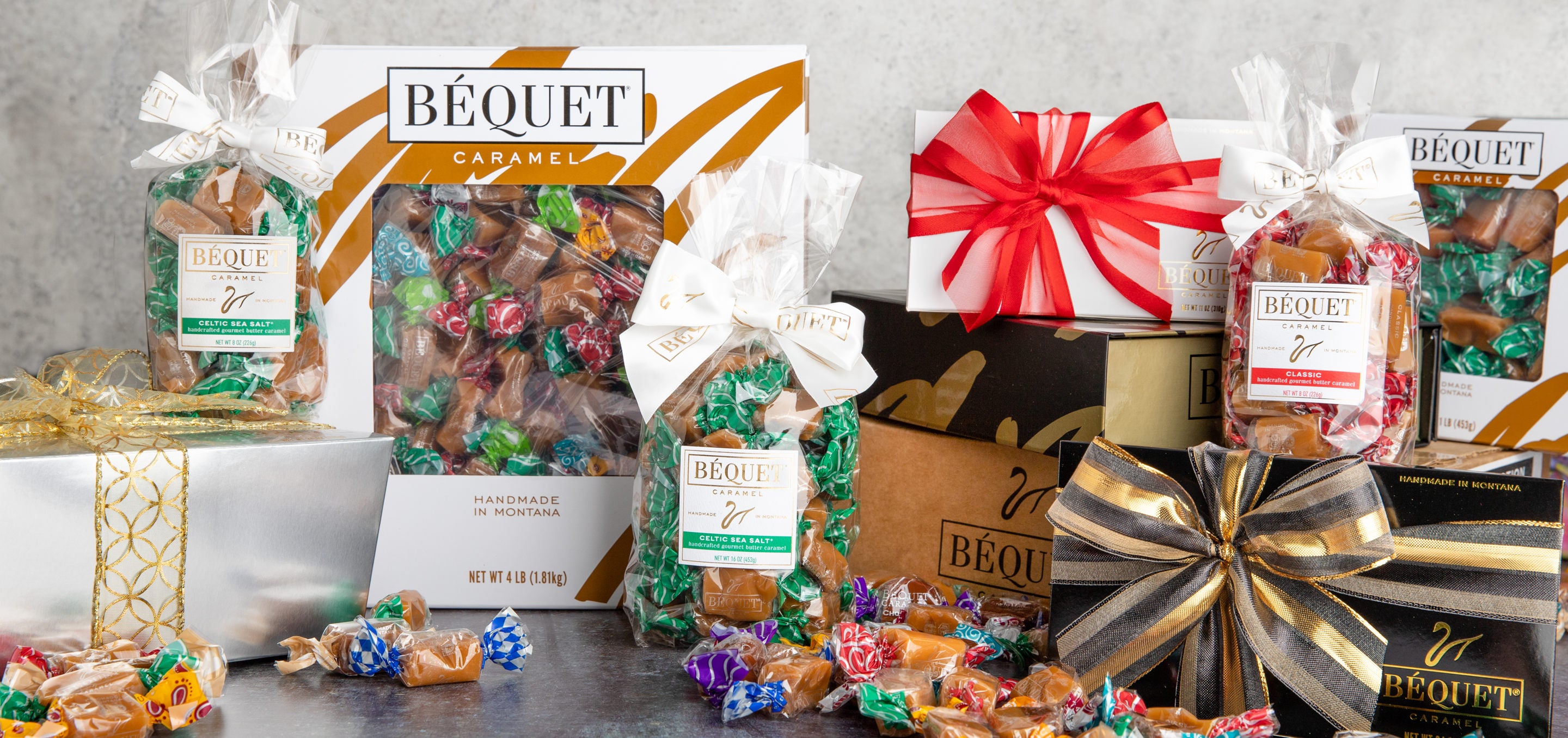
At Béquet, every batch of caramel is slow-cooked in Montana using all-natural ingredients, including tapioca syrup, antibiotic-free dairy, and pure brown sugar. A subtle Celtic Sea Salt® finish on our salt caramel does not just balance sweetness. That mineral brightness, the creamy melt, the buttery warmth, those are the sensory details the brain holds onto.
The best flavors do not chase trends. Instead, they become part of the moments worth remembering.
Frequently Asked Questions
1. Does sugar help the brain form stronger memories?
Glucose supports neural activity in the hippocampus, which plays a role in memory consolidation. Sweetness also stimulates dopamine release, reinforcing positive associations with surrounding experiences.
2. Why do childhood sweets feel more emotionally powerful than ones tried as adults?
The brain's peak period for emotionally intense memory formation falls between ages 10 and 25. Sweets experienced during that window get stored with stronger emotional encoding, making them feel more vivid when recalled later.
3. Can a flavor trigger a memory even if you have not tasted it in years?
Yes. The olfactory system's direct connection to the amygdala and hippocampus means that even a long-dormant flavor can reactivate a memory with surprising clarity.
4. Is nostalgia for food the same as a craving?
Not quite. A craving is driven by hunger or habit, while nostalgia and food psychology point to something more emotional. Nostalgic flavor recall is triggered by sensory memory, not appetite.
5. Why do some people get emotional when they taste a childhood candy?
Flavor activates the amygdala before the conscious mind catches up. The emotion arrives first, fully formed, and the memory follows, which is why a single piece of caramel can feel surprisingly moving.
6. Do shared food experiences create stronger nostalgic memories?
Yes. Sweets tied to group moments, like holidays, celebrations, or family rituals, get reinforced through repetition and social bonding. The memory becomes collective, and each person's recall strengthens the other's.