



Dulce de leche and caramel are not the same thing. Dulce de leche is made by slowly cooking milk and sugar together, producing a creamy, Maillard-driven sweetness with soft vanilla-like notes. Caramel is made by heating sugar - typically with water - to high temperatures until the sugar caramelizes, creating a sharper, more intense flavor with subtle bitterness.
The core difference is the base ingredient: milk proteins give dulce de leche its signature smooth texture, while caramel's character comes entirely from caramelized sugar. Both are used in desserts, fillings, and sauces, but their flavor profiles, cooking chemistry, and textures are distinct.
What Defines Caramel?
Caramel begins with simple ingredients and high heat. The cooking process fundamentally shapes what makes quality caramel distinctive.
The Chemistry Behind Caramel
Caramel begins with granulated sugar and water. Heat breaks down sugar molecules through caramelization, a chemical process where sugar separates and reforms into hundreds of new flavor compounds.
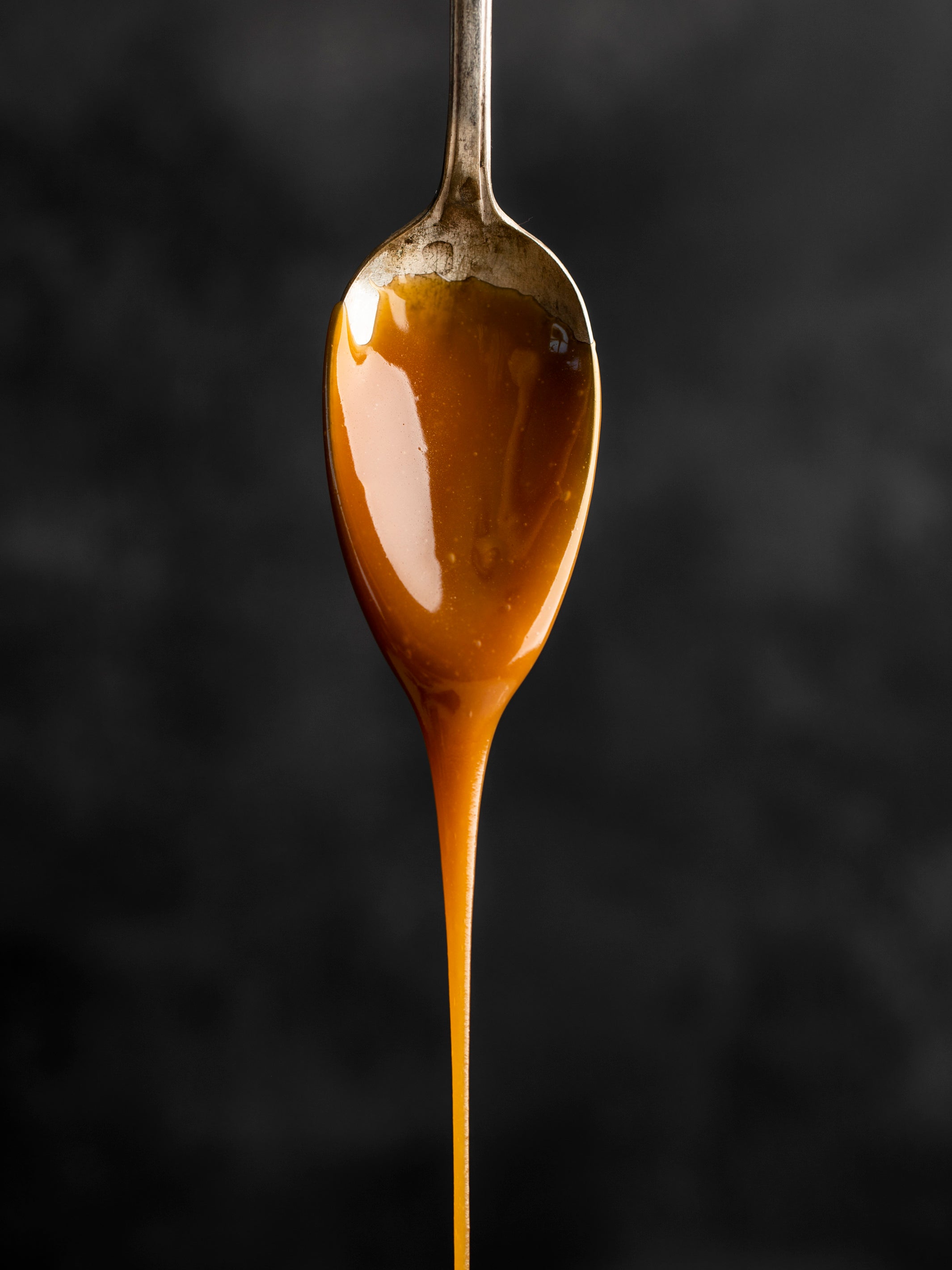
The result is a dense, complex sweetness with subtle bitter notes that deepen as the sugar cooks longer. Quality caramel, like Béquet's Sea Salt Caramel Sauce, balances this intensity with buttery undertones and smooth texture. The cooking process requires precision, as sugar can shift from perfectly golden to burnt in seconds.

Why Caramel Tastes Intense
The slight bitterness in caramel isn't a flaw, but rather a natural complexity that develops at high temperatures. This intensity makes caramel versatile. Varieties like Salted Butterscotch Caramel or Salt-Chocolate Caramel pair the sharpness of caramelization with complementary flavors, creating interesting flavor without heaviness.

Also Read : what is dulce de leche exactly
What Makes Dulce de Leche Different?
Dulce de leche, meaning sweet milk in Spanish, transforms milk and sugar through an entirely different chemical process. The result is creamy comfort rather than intensity.
The Maillard Reaction Explained
Instead of caramelization, a Maillard reaction occurs when heat brings sugars and proteins in milk together. This chemical reaction produces a nutty, creamy sweetness reminiscent of toffee rather than burnt sugar.
The milk proteins create a naturally smooth, spreadable texture without the brittleness of traditional caramel. Dulce de leche has been a cornerstone of Argentine cuisine for centuries, developed through slow cooking that allows milk to reduce and deepen in color gradually.
Texture and Flavor Development
Dulce de leche's low, steady heat over hours creates a velvety consistency that feels buttery on the tongue. The flavor remains balanced and mellow, never sharp or bitter. This makes dulce de leche ideal for those who prefer sweetness without flavor complexity.
Also Read : how caramel is actually made
Caramel vs Dulce de Leche: Ingredient and Cooking Method
Both sauces transform simple ingredients, but their approaches differ significantly. Here's what sets them apart.
Side-by-Side Breakdown
|
Aspect |
Caramel |
Dulce de Leche |
|
Main Ingredients |
Sugar, water |
Milk, sugar |
|
Cooking Temperature |
High heat (350°F+) |
Low to medium heat |
|
Chemical Process |
Caramelization |
Maillard reaction |
|
Cooking Time |
10-20 minutes |
1-3 hours |
|
Texture |
Dense, sticky, sometimes glossy |
Creamy, smooth, spreadable |
|
Flavor Profile |
Complex, slightly bitter, intense |
Nutty, mellow, buttery vanilla |
Why Cooking Method Matters
Caramel requires high, consistent heat to break down sugar molecules quickly. Dulce de leche needs low, steady heat for hours, allowing milk to gradually transform without scorching.
This patient approach creates the creamy richness dulce de leche is known for, while caramel's speed develops its sharp, complex character.
Also Read : Ultimate Guide to Caramel Sauce: Types, Uses, and How to Choose
Flavor and Texture Breakdown
Each sauce delivers a distinctly different experience. Knowing these differences helps you make informed choices in your kitchen.
The Caramel Experience
Caramel delivers intensity. The slight bitterness balances sweetness, creating depth. Texture ranges from liquid to chewy, depending on cooking duration and added ingredients.
The Dulce de Leche Experience
Dulce de leche emphasizes smoothness and comfort. The Maillard reaction produces gentler, almost vanilla-forward sweetness without burnt edges. Its naturally creamy texture makes it ideal for spreading, swirling, or layering without additional ingredients.
Caramel vs Dulce de Leche: When to Use Each Sauce
Choose wisely based on what your dessert needs. The wrong sauce will shift the entire flavor profile.
Caramel Works Best For
- Sauce for ice cream or pastry drizzle
- Intensity of flavor in layered desserts
- Textural contrast in candies and confections
- Sophisticated saltiness paired with chocolate
Dulce de Leche Works Best For
- Smooth filling for cookies and cakes
- Creamy spread for toast or fruit
- Mild sweetness that doesn't overpower
- Authentic South American desserts like alfajores
Caramel and dulce de leche should not be substituted one-to-one. Doing so often results in desserts that taste unbalanced, overly sweet, or flat.
Also Read : explore all caramel varieties
The Sweet Takeaway
Caramel and dulce de leche represent two distinct approaches to transforming sugar into something extraordinary. Caramel's quick transformation under intense heat creates bold, complex flavors. Dulce de leche's patient method produces creamy comfort.
Neither is better universally, but for bold, award-winning caramel flavor, caramel clearly excels.
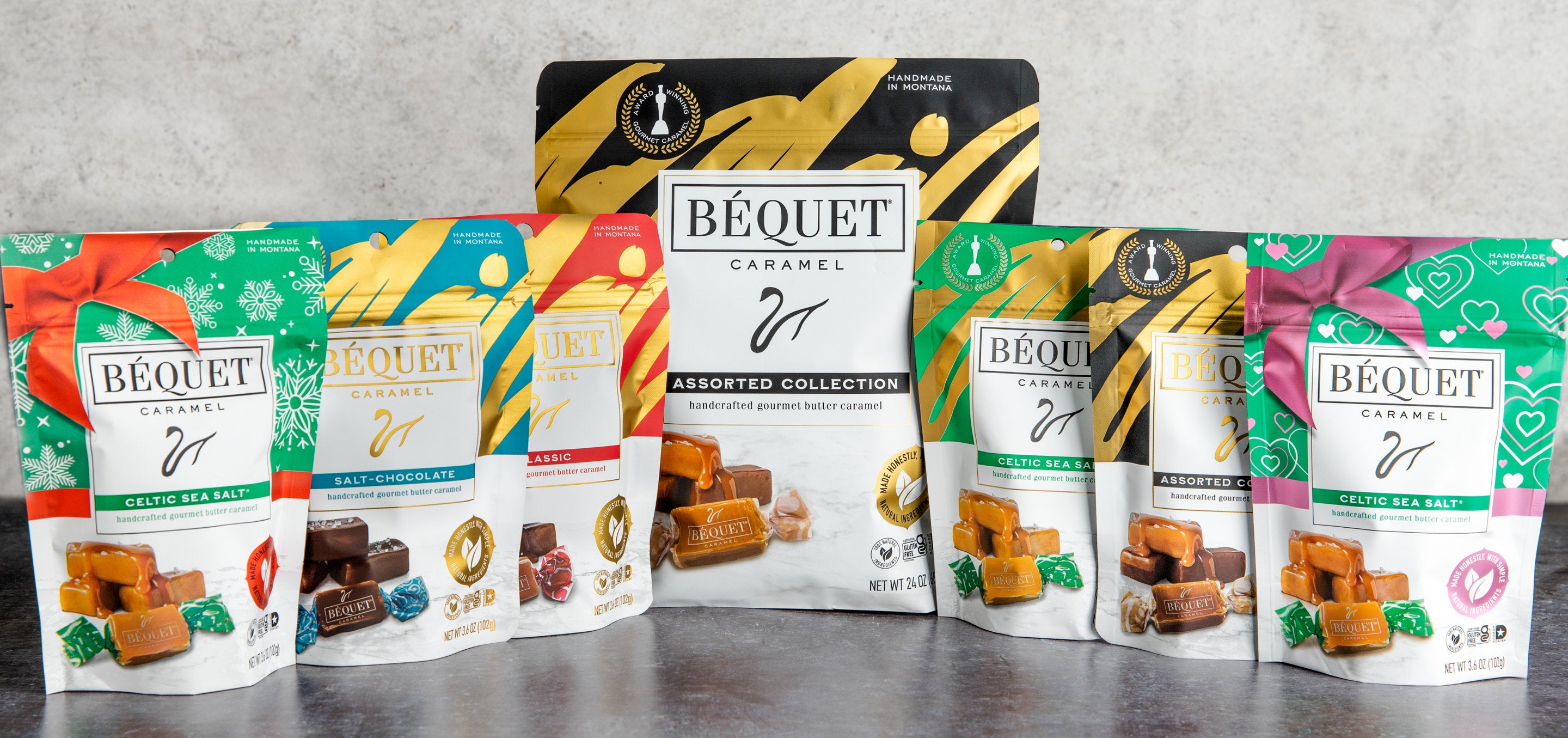
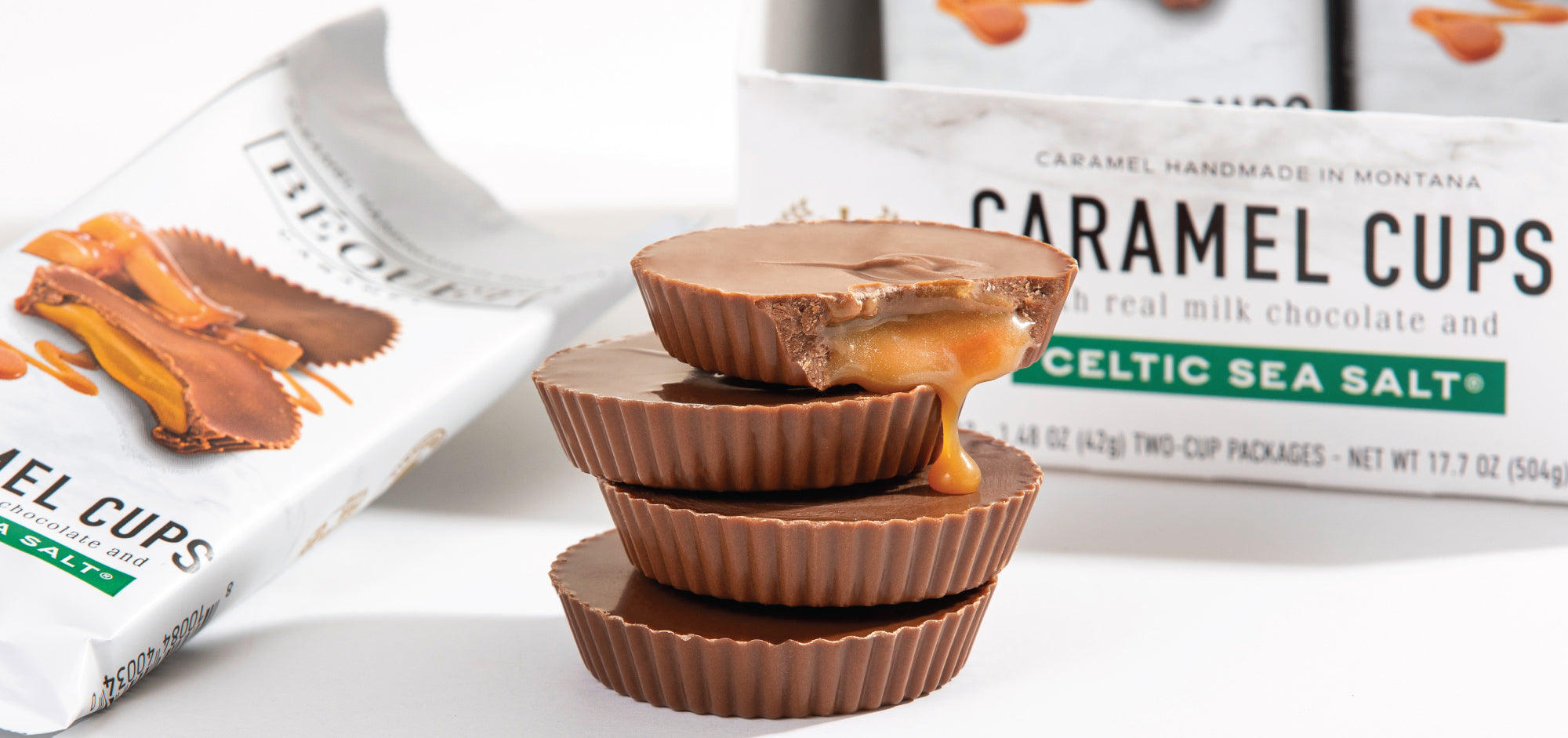
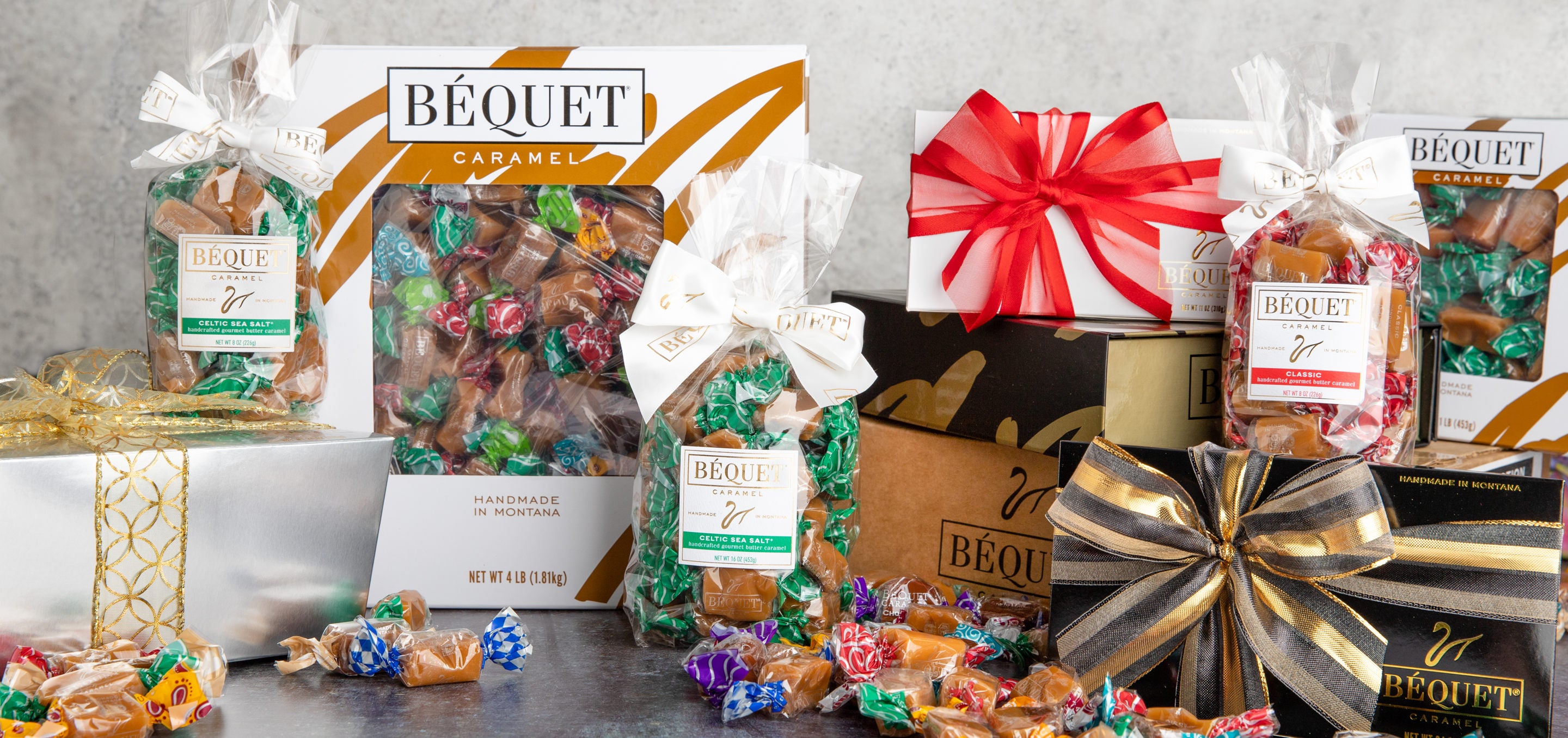
At Béquet, caramel is not an ingredient. It’s a craft. By carefully controlling heat, timing, and ingredient quality, we develop caramels with depth, balance, and complexity that cannot be rushed. That attention to process is what has earned our caramels national recognition and lasting customer loyalty. You can shop Béquet's small-batch caramels, including our popular Celtic Sea Salt Caramels, and explore the full Béquet Caramel Collection to discover even more irresistible flavors.
Also Read : what makes any candy a healthier choice
Frequently Asked Questions
1. Can you substitute caramel for dulce de leche?
You can technically swap them, but the result won't taste the same. Caramel is denser and more intense, while dulce de leche is creamy and mellow.
2. Which has more sugar, caramel or dulce de leche?
Both contain similar amounts of sugar, but it's processed differently. Dulce de leche's slower cooking allows more even sweetness distribution, while caramel's quick process concentrates intensity.
3. Does dulce de leche contain dairy?
Yes. Traditionally, dulce de leche is made with milk or sweetened condensed milk, making it unsuitable for dairy-free diets.
4. Why does caramel taste bitter?
The slight bitterness comes from caramelization. This isn't burnt flavor, but rather natural complexity that develops at high temperatures.
5. How long do caramel and dulce de leche last?
Properly stored caramel usually keeps for several months in an airtight container at room temperature. Dulce de leche generally lasts about three weeks refrigerated once opened, or up to three months in an unopened can in the pantry.
6. Which pairs better with chocolate?
Caramel, particularly salted varieties, has the intensity and slight bitterness that complements dark chocolate's richness. Dulce de leche works with chocolate, too, but the combination leans sweeter and creamier.
7. What does dulce de leche taste like?
Dulce de leche tastes like a sweet, milky caramel with rich, caramelized notes and a creamy, slightly sticky texture. Its flavor is gentler and less bitter than traditional caramel, with subtle vanilla undertones from the Maillard reaction.
8. Is dulce de leche the same as caramel made from condensed milk?
No. Sweetened condensed milk is an ingredient used to make dulce de leche, but they are not the same. Condensed milk is a light, liquid dairy product; dulce de leche is the thick, caramelized result of slowly cooking it.
9. How does dulce de leche differ from butterscotch?
Dulce de leche is made from milk and sugar via the Maillard reaction; butterscotch is made from brown sugar and butter. Dulce de leche is creamier and milkier, while butterscotch has a distinct buttery, molasses-tinged flavor from the brown sugar.
10. What does "dulce de leche" mean in English?
"Dulce de leche" translates from Spanish as "sweet of milk" or "candy of milk." The name reflects its two core ingredients — milk and sugar — slowly cooked together until thick, creamy, and caramel-colored.
11. How does dulce de leche compare to salted caramel?
Dulce de leche is creamier and milder, deriving its flavor from milk proteins via the Maillard reaction. Salted caramel is made from caramelized sugar with added salt, producing a bolder, slightly bitter flavor that the salt tempers and enhances.
People Also Search For -
Thank You Gifts | Wedding Favors & Gifts | Housewarming Gifts | Birthday Gifts | Chocolate lover gifts | Employee appreciation gifts | Gifts for Her | Gifts for Him | Gifts for Mom | Gifts for Coworkers | Valentine's day gifts