



Caramel and fudge both start with sugar, butter, and dairy, but the paths they take from pot to palate could not be more different. One is smooth and yielding, shaped by caramelized sugar. The other is dense and firm, defined by crystallization.
Understanding fudge vs. caramel starts with what happens during cooking and ends with the moment each confection hits your tongue.
How Caramel and Fudge Differ in Ingredients
The caramel vs fudge question starts in the ingredient list. Both rely on sugar, butter, and dairy, but the ratios and processes send them in different directions.
What Makes Caramel, Caramel?
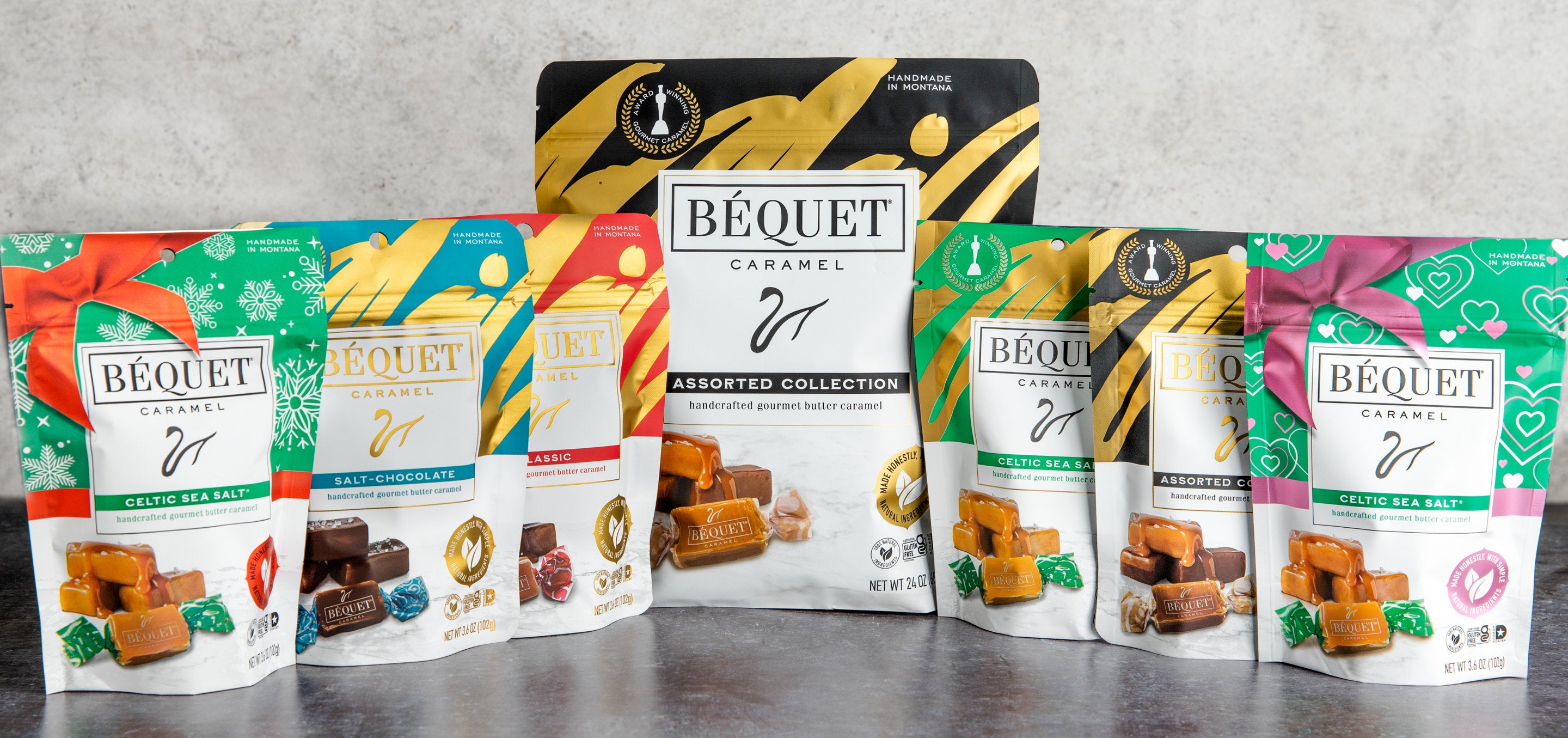
Caramel is built on simplicity. Sugar is heated until it caramelizes, developing toasty, bittersweet complexity before butter and cream finish the process. With so few ingredients, quality carries weight. At Béquet, every batch of slow-cooked caramel uses all-natural ingredients like tapioca syrup and antibiotic-free dairy, cooked in small batches in Montana.
Where Fudge Takes a Different Path
Fudge combines sugar, butter, and milk, often with chocolate. The mixture cooks to a lower temperature, then gets beaten during cooling to encourage sugar crystallization. That process gives fudge its dense, slightly grainy character.
Texture and Consistency Compared
Texture is the fastest way to tell caramel and fudge apart, even before tasting.
Caramel's Soft, Melt-in-Your-Mouth Feel
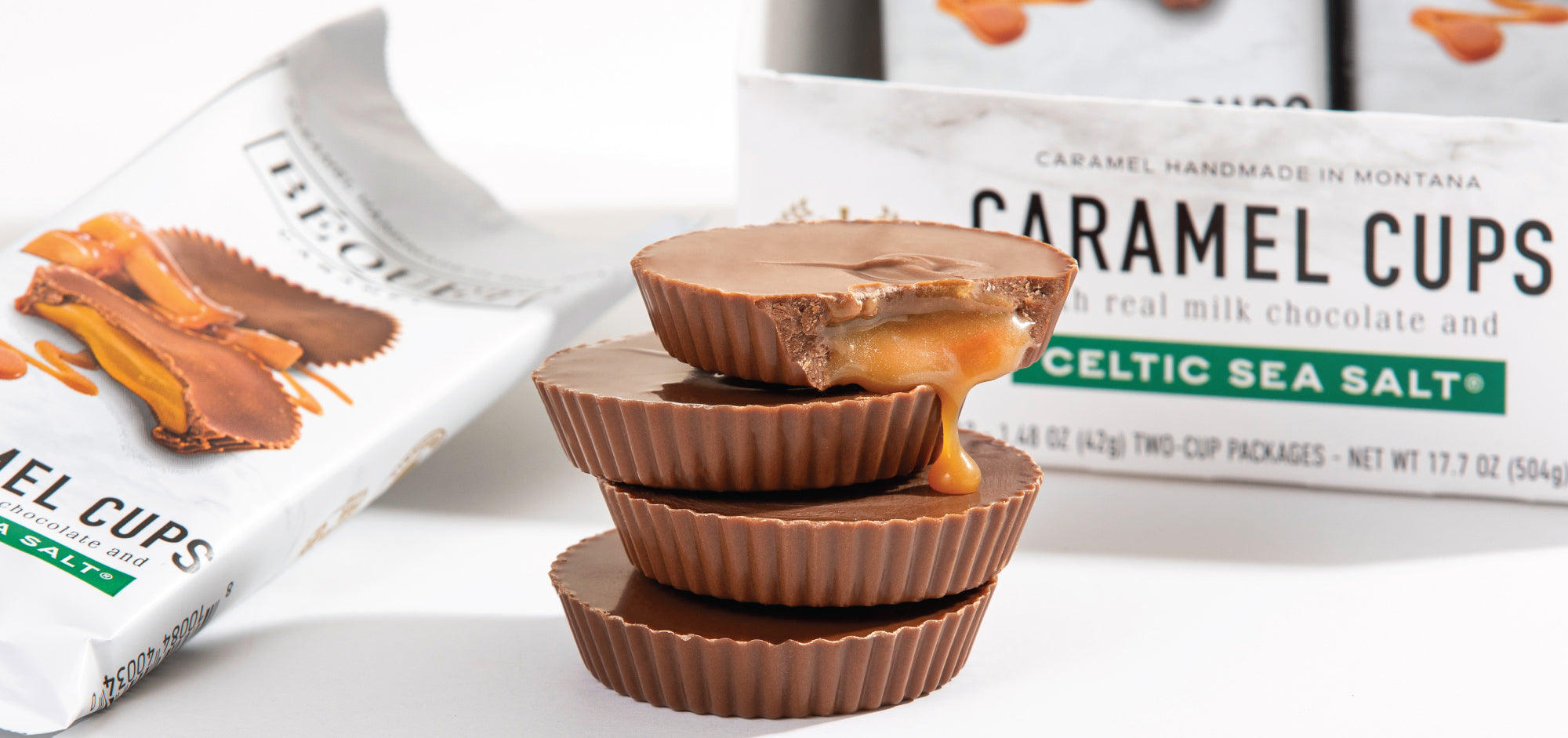
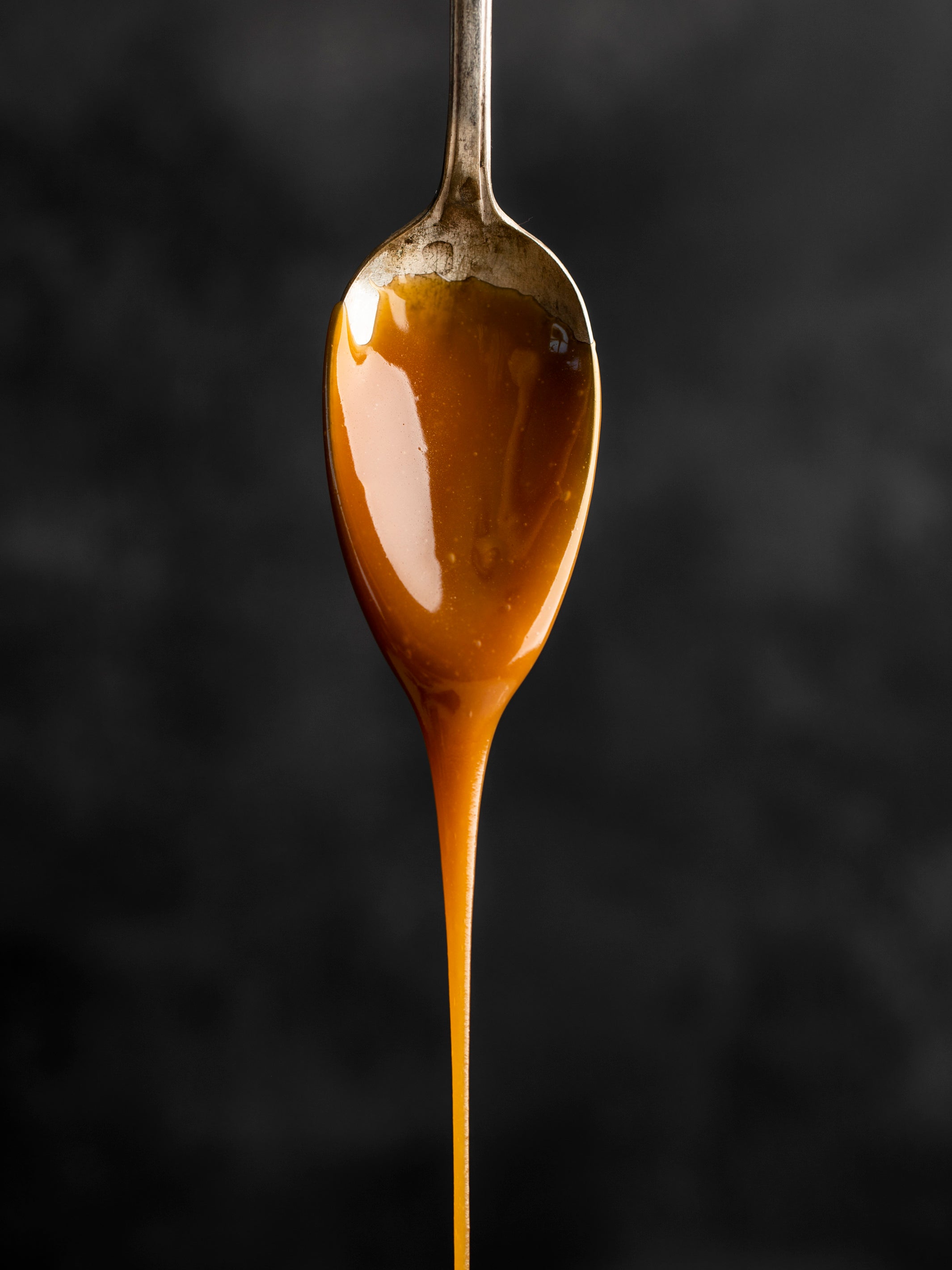
Good caramel is buttery and tender, yielding to the bite before melting slowly across the palate. Depending on cook time, caramel ranges from a soft, chewy candy to a pourable sauce. A salt-finished variety adds contrast that sharpens the experience, while a dark chocolate caramel brings decadent depth without losing that silky quality.
Fudge's Firm, Sliceable Density
Fudge holds its shape. You can cut it into squares and stack it for gifting. The crystallized sugar creates a smooth yet grainy mouthfeel central to fudge's identity. Where caramel flows, fudge stands firm.
Caramel vs Fudge Taste Differences
Comparing caramel vs fudge taste reveals why the two attract different palates. Caramelized sugar develops complex, toasty notes that balance with butter and cream. Fudge leans sweeter because the sugar is not taken as far during heating, producing less depth.

Caramel also adapts to a wider range of flavors. A buttery treat layered with espresso and salt chocolate delivers remarkable complexity, while a citrus-chocolate blend moves in an entirely different direction. Fudge tends to carry one dominant flavor, usually chocolate or vanilla, without the same caramelized sugar underneath.
When to Choose Caramel Over Fudge
Picking between fudge and caramel depends on the moment.
Choose Caramel When You Want
- A soft, yielding treat with layered flavor
- Versatility across salt, spice, citrus, or coffee pairings
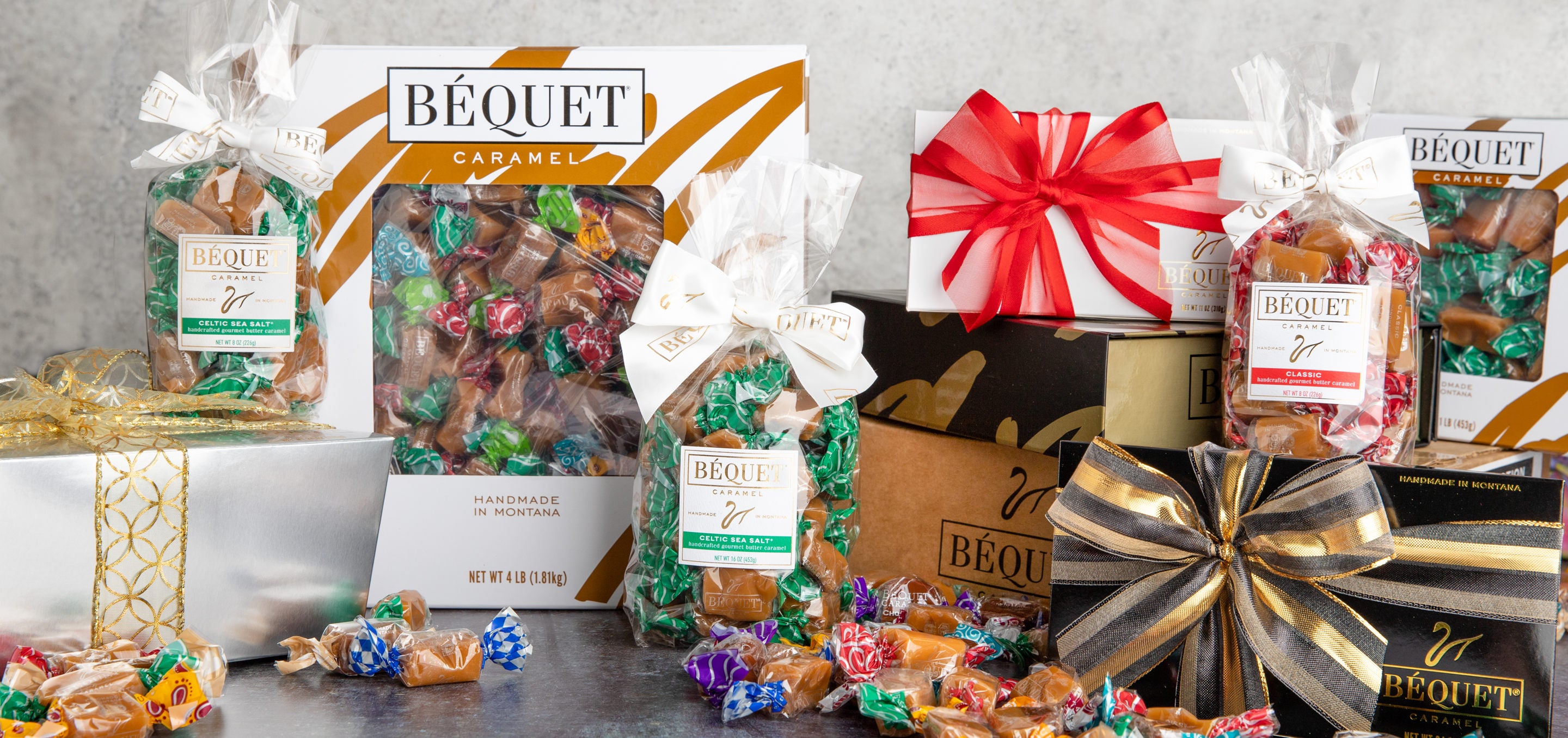
- A gourmet gift with variety across multiple profiles
- A sauce or drizzle for desserts
Choose Fudge When You Want
- A dense, satisfying bite with firm texture
- A chocolate-forward confection
- A sliceable treat for sharing
The Sweet Distinction
Once you understand what separates caramel from fudge, every bite becomes more intentional. Caramel rewards patience in its making and delivers nuance in its tasting, from buttery richness to the way a smoky chipotle finish lingers on the palate.
Fudge has earned its place, but for range, complexity, and craftsmanship, caramel stands in a category of its own. When that caramel is slow-cooked in small batches with all-natural ingredients, the difference speaks for itself.
Frequently Asked Questions
1. Is caramel sweeter than fudge?
Fudge typically tastes sweeter because the sugar is not caramelized. Caramelization introduces toasty, bittersweet notes that balance the sweetness, giving caramel a more complex flavor.
2. Can you substitute fudge for caramel in recipes?
Not reliably. Fudge and caramel behave differently under heat and have distinct textures. Swapping one for the other changes both consistency and taste.
3. What makes gourmet caramel different from store-bought?
Gourmet caramel uses real butter, pure cream, and natural flavorings, slow-cooked in small batches. Béquet caramel is made in Montana with all-natural ingredients and has earned 12 national awards for quality and flavor.
4. Does fudge always contain chocolate?
No. While chocolate fudge is most popular, traditional fudge can be made with just sugar, butter, and milk. Vanilla and peanut butter varieties are common.