


Few flavor pairings feel as natural as chocolate and caramel. One brings depth and bitterness, the other brings buttery sweetness, and together they create something neither can achieve alone. Whether you have tried dark chocolate caramel or a simple chocolate with caramel filling from a candy shop, the appeal is immediate and lasting.
So what makes the combination work at a level most other pairings never reach?
Why Chocolate and Caramel Belong Together
Chocolate and caramel succeed together because of contrast. Dark chocolate carries roasted, slightly bitter notes. Caramel delivers warmth, sweetness, and a buttery finish. When the two meet, each one fills in what the other lacks, creating a rounded, full-spectrum flavor profile.
You will notice this balance even more clearly in premium varieties like Dubai chocolate caramel, where craftsmanship elevates both flavor depth and texture.
The sweetness of caramel softens the intensity of chocolate, while chocolate adds complexity that keeps the sweetness from feeling one-dimensional. A quality gourmet caramel candy paired with real dark chocolate offers layers of flavor that unfold as the bite melts.
What Happens When Flavor and Texture Collide
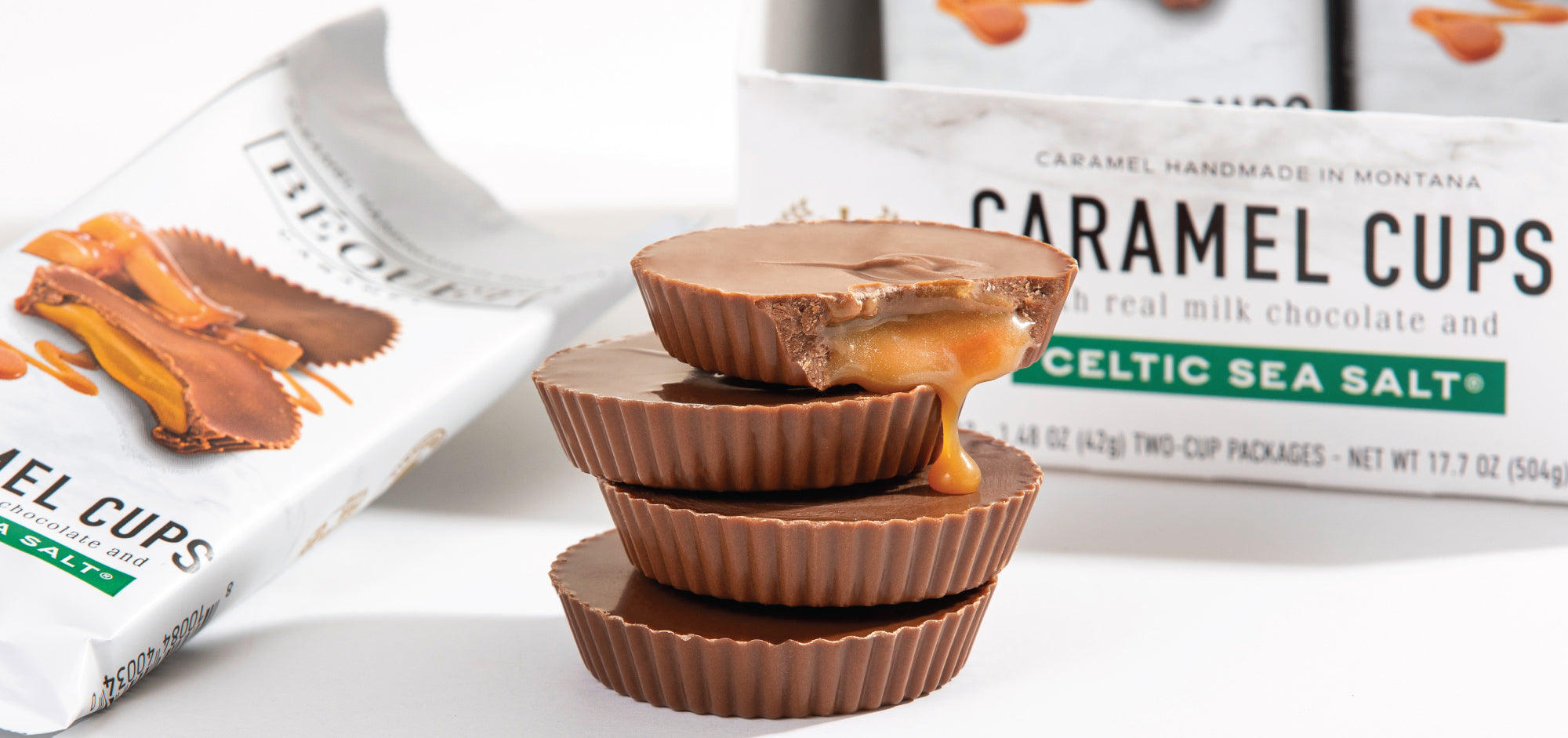
Beyond taste, the physical experience of eating chocolate with caramel filling involves a satisfying interplay of textures. Chocolate snaps or yields, then gives way to a smooth, slow-melting caramel center. The contrast between firm and soft, snappy and silky, keeps you engaged with every bite.
|
Factor |
Chocolate Alone |
Caramel Alone |
Chocolate and Caramel Together |
|
Flavor Profile |
Bitter, roasted, earthy |
Sweet, buttery, warm |
Balanced, layered, complex |
|
Texture |
Firm, snappy |
Soft, chewy |
Multi-textured, satisfying |
|
Sweetness Level |
Low to moderate |
High |
Moderate and well-rounded |
|
Finish |
Quick, slightly dry |
Lingering, smooth |
Gradual, rich, and memorable |
|
Best Enjoyed |
On its own or with wine |
With coffee or as a topping |
As a salted caramel candy or confection |
Choosing Premium Chocolate Caramel Treats
Not all chocolate caramel treats are made equal. A few factors separate a forgettable piece from one you reach for again.
- Ingredient quality matters most: Real butter, pure cocoa, and all-natural ingredients produce a cleaner, more satisfying taste than candy made with fillers and artificial flavors.
- Salt changes everything: A touch of sea salt caramel with Celtic Sea Salt® amplifies both the chocolate and the caramel, making each flavor more vivid.
- Texture should vary: The best caramel chocolate candy offers a contrast between the outer layer and the center, giving your palate something to engage with beyond sweetness.
- Temperature makes a difference: Chocolate caramel treats taste best at room temperature, where the caramel is soft enough to flow, and the chocolate releases its full aroma.
At Béquet, the Salt-Chocolate caramel brings together soft, dark chocolate caramel with a subtle Celtic Sea Salt® finish. Three flavors in one small-batch piece, and nothing artificial.

For those who prefer deeper cocoa notes without the salt, the Chocolate caramel pairs soft dark chocolate decadence with distinct butter caramel overtones.
What Separates Good Caramel Chocolate Candy from Great
The difference often comes down to process. Mass-produced candy relies on speed and shortcuts. Slow-cooked small-batch caramel allows flavors to develop naturally through careful temperature control and quality ingredients.
A few signs of quality to look for:
- Recognizable ingredient lists with no artificial preservatives
- Smooth, creamy texture without a waxy or gritty mouthfeel
- Balanced sweetness rather than sugar-forward flavor
- A clean finish that invites another bite
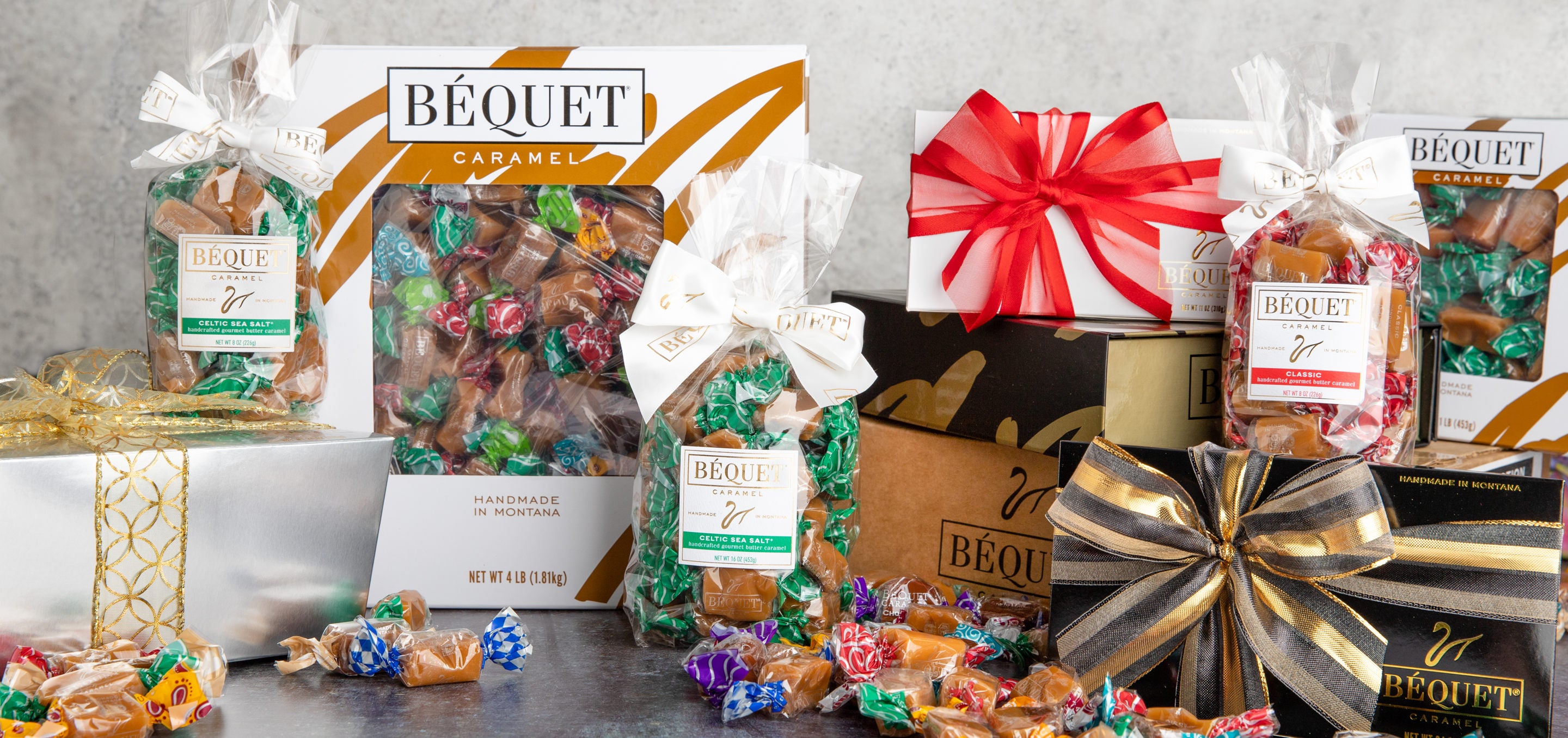
Béquet caramel is made in Montana using all-natural tapioca syrup, antibiotic-free dairy, and traditional slow-cooking methods. Twelve national awards reflect a commitment to consistency and flavor, not packaging or marketing trends.
The Duo That Never Gets Old
Chocolate and caramel have worked together for generations, and the appeal has not faded. The combination hits on every level, from flavor and texture to aroma and satisfaction. Whether you are reaching for a piece of chocolate with caramel filling after dinner or sharing a box of chocolate caramel with friends, the pairing delivers every time.
When both ingredients come from trusted sources and careful methods, the result is more than candy. A well-made caramel chocolate candy is always worth savoring.
Frequently Asked Questions
1. Why do chocolate and caramel pair so well together?
Chocolate provides bitterness and depth, while caramel adds buttery sweetness. The contrast creates a balanced, layered flavor profile that satisfies more completely than either one alone.
2. What should you look for in quality caramel chocolate candy?
Look for all-natural ingredients, a short ingredient list, smooth texture, and balanced sweetness. Slow-cooked, small-batch caramel made with real butter and no artificial additives produces the best results.
3. Does salt improve chocolate caramel treats?
Yes. Salt, especially Celtic Sea Salt®, amplifies both chocolate and caramel flavors while keeping sweetness from becoming overwhelming. A light salt finish adds sophistication to the combination.
4. Can you pair caramel chocolate candy with coffee or wine?
Absolutely. A bold espresso brings out the roasted notes in dark chocolate, while a full-bodied red wine plays well against the buttery sweetness of caramel. Room temperature pieces give you the best flavor release with either pairing.
5. What makes small-batch caramel different from mass-produced candy?
Small-batch cooking allows for precise temperature control and slower flavor development. The result is a smoother, more layered taste compared to mass-produced candy, which often relies on shortcuts and artificial additives to hit volume.
6. How should you store chocolate caramel treats for the best texture?
Keep them in a cool, dry place away from direct sunlight. Room temperature is ideal for eating, as cold chocolate mutes flavor and firms up the caramel center. Avoid refrigeration unless the packaging specifically calls for it.