



You've seen caramel color on ingredient labels for cola, soy sauce, and dozens of packaged foods. Despite the name, caramel color has almost nothing in common with the rich, buttery caramel you'd savor as a treat.
So what is caramel color? A food-grade colorant produced by heating sugars under controlled conditions.
Caramel color in food serves one purpose: making products look consistently brown and appealing. Regulatory agencies consider caramel color safe for consumption within approved limits, though some consumers choose to limit certain classes depending on processing methods.
Here's how caramel color works, where you'll encounter it, and why real caramel belongs in a completely different category.

What Is Caramel Color and How Does It Work
Caramel color is the most widely used food coloring worldwide. Manufacturers produce caramel color by heating carbohydrates like glucose or sucrose until a stable brown pigment forms. The finished colorant ranges from pale yellow to deep amber and carries a faint, slightly bitter aroma of burnt sugar, though quantities used in food are too small to affect flavor.
Food producers choose caramel color to create a uniform appearance across batches, correct natural color variations, and replace color lost during processing. No sweetness or caramel flavor accompanies the additive.
How Caramel Color Is Produced
Production follows a controlled, multi-step process:
Step 1: Heating Sugars to Start Caramelization
Caramelization begins when sugars like glucose or sucrose are heated under carefully controlled conditions. The temperature must be high enough to break down sugar molecules and trigger browning, but not so intense that the batch scorches. Getting that balance right produces the stable brown pigment food manufacturers rely on.
Step 2: Adding Reactants to Control Color and Stability
Once caramelization is underway, manufacturers may introduce acids, alkalis, ammonia, or sulfites. The specific combination of reactants determines which of the four caramel color classes the batch falls into, and each class behaves differently in acidic, neutral, or alcohol-based products.
Step 3: Monitoring Temperature and pH for Consistency
Precise monitoring of heat and pH levels runs throughout the entire process. Even small fluctuations can alter the shade, consistency, or chemical profile of the final colorant. Tight control at every stage keeps each batch uniform and food-safe.
Step 4: Filtering and Purifying to Meet Safety Standards
After the caramelization reaction is complete, the solution goes through filtration and purification. Any impurities or unwanted byproducts are removed so the colorant meets food-grade safety standards before leaving the production facility.
Step 5: Concentrating or Diluting for Specific Applications
The final step adjusts potency. Depending on the intended use, the liquid caramel color is either concentrated for products needing deep brown tones or diluted for lighter, more subtle coloring. A single production run can yield colorant suited for everything from dark cola to pale baked goods.
The Four Classes of Caramel Color in Food
Regulatory bodies classify caramel color into four types based on the reactants used during manufacturing.
|
Class |
Name |
Reactants Used |
Common Uses |
|
I (E150a) |
Plain Caramel |
No ammonia or sulfites |
Spirits, bakery goods |
|
II (E150b) |
Caustic Sulfite |
Sulfites, no ammonia |
Cognac, sherry |
|
III (E150c) |
Ammonia Caramel |
Ammonia, no sulfites |
Beer, soy sauce, gravies |
|
IV (E150d) |
Sulfite Ammonia |
Both ammonia and sulfites |
Cola, acidic beverages |
Class IV dominates global production, largely because acidic soft drinks require that specific stability profile.
Common Foods and Beverages That Contain Caramel Color
What is caramel color in food used for, exactly? Nearly every product category includes at least one application:
- Beverages: Cola, root beer, whiskey, rum, and coffee drinks
- Sauces and condiments: Soy sauce, barbecue sauce, gravies, and marinades
- Baked goods: Brown bread, cookies, and crackers
- Processed snacks and cereals for batch-to-batch color uniformity
- Frozen desserts and puddings for visual depth
Stability in high-acid, high-salt, and high-alcohol environments makes caramel color more versatile than most other food colorants.
Real Caramel vs. Caramel Color
Despite the similar name, caramel color and real caramel serve completely different purposes. One is a manufactured colorant. The other is a finished food built for flavor.
What Separates Craft Caramel from a Lab-Made Colorant?
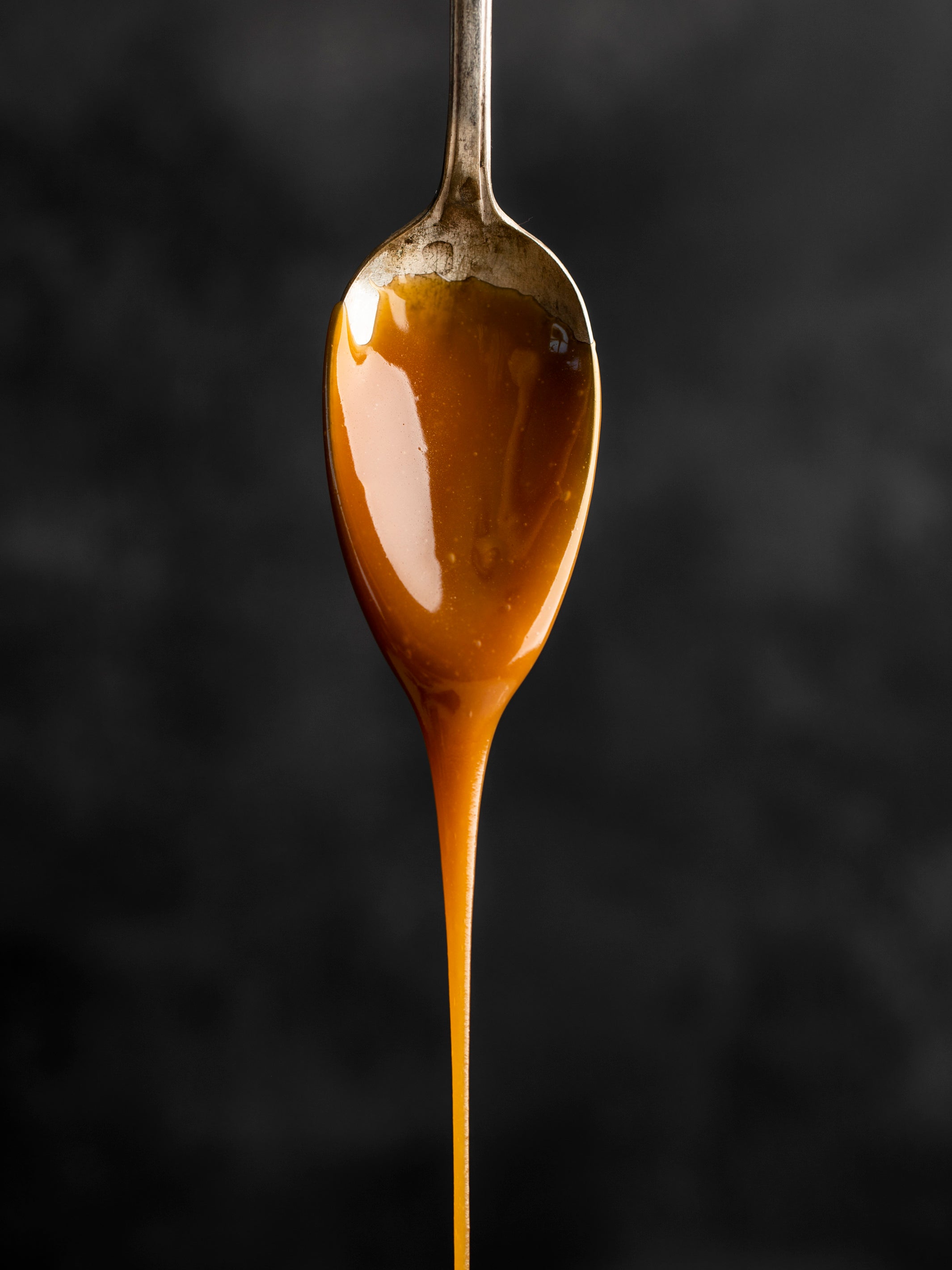
When you taste a piece of slow-cooked gourmet caramel, you're experiencing balanced flavor created through real ingredients and careful process.
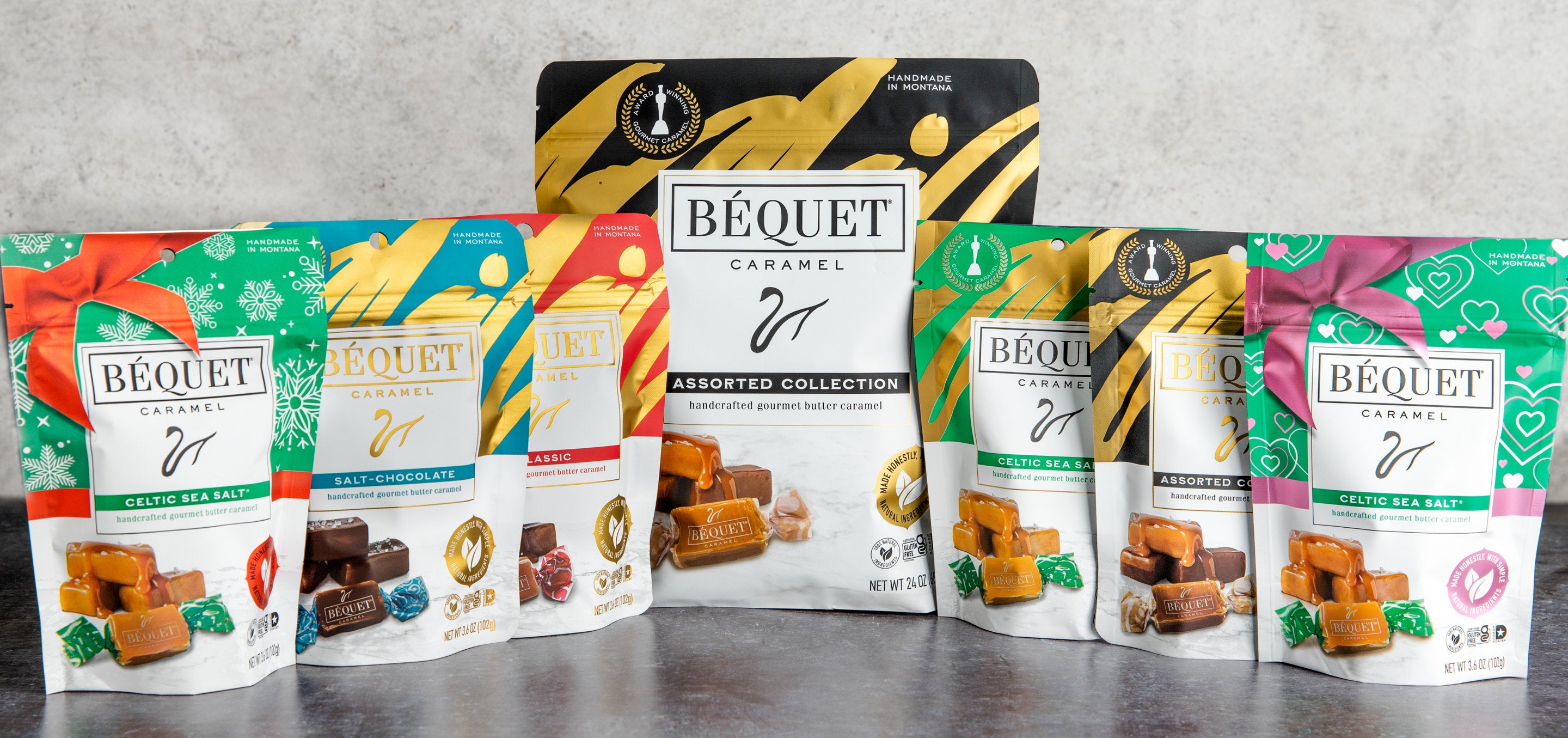
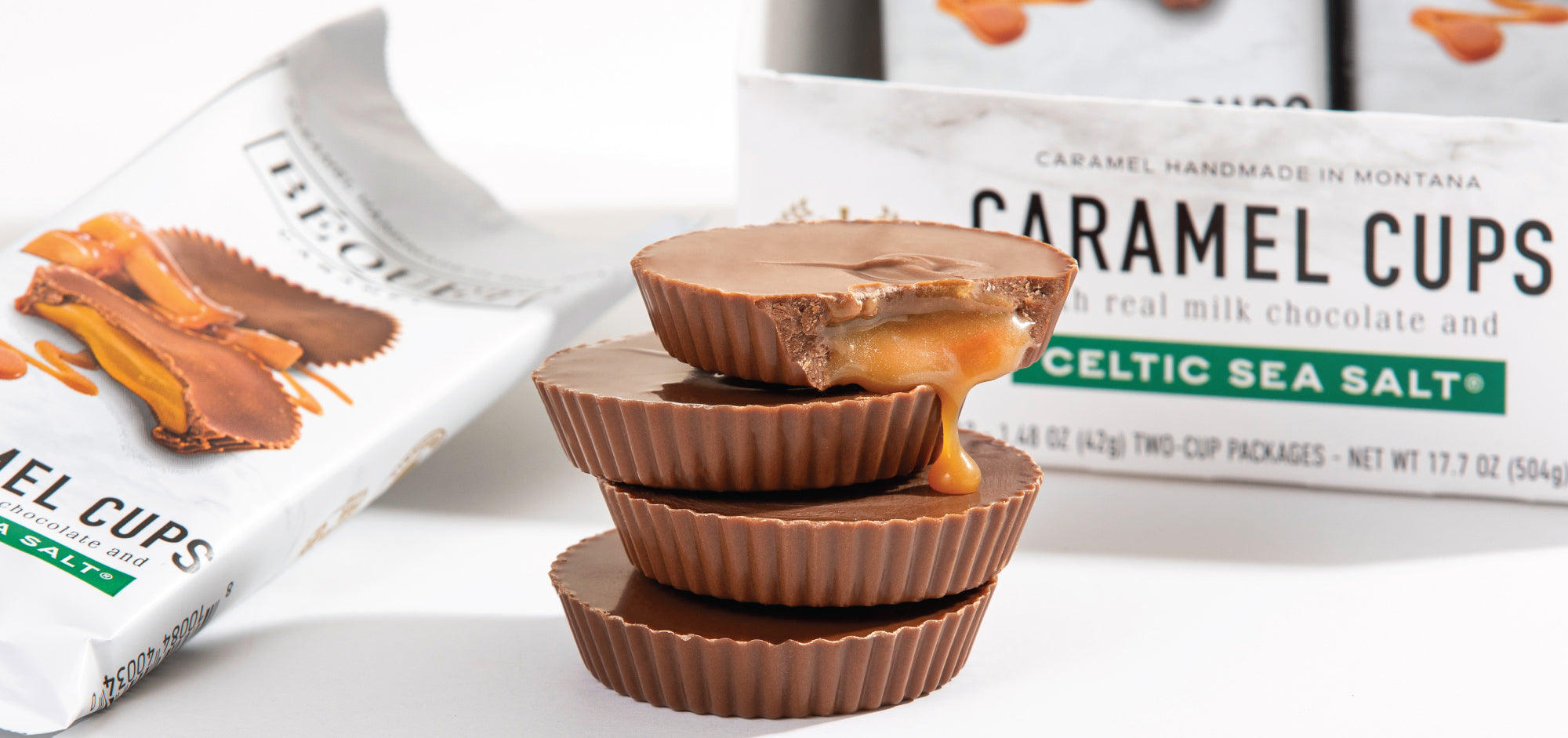
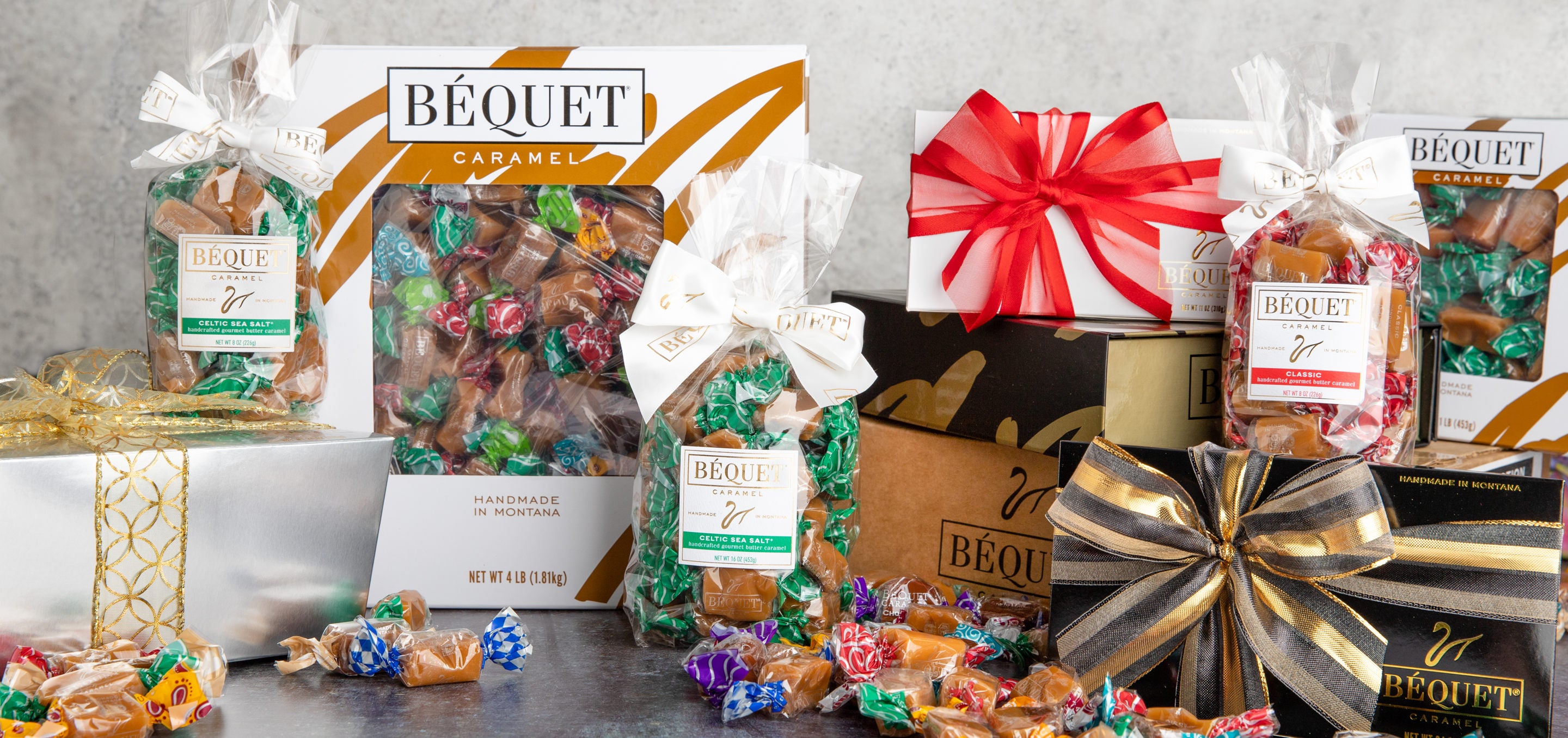
At Béquet, every batch is made in Montana using all-natural ingredients. Our salt caramel features hand-harvested Celtic Sea Salt® for a finish that highlights buttery depth, while our dark chocolate caramel delivers smooth, rich complexity you won't find in any food colorant.
With 12 national awards earned through small-batch craftsmanship, Béquet caramel represents the opposite of caramel color in food: full-flavored, all-natural, and crafted with care.
Beyond the Label
Caramel color may give your favorite foods a familiar brown hue, but real caramel offers something no additive can replicate. Flavor built from butter, cream, and patience.
When you're ready to taste the difference, small-batch gourmet caramel made with all-natural ingredients is the place to start.
Frequently Asked Questions
1. What is caramel color in food made from?
Caramel color is produced by heating sugars like glucose or sucrose, sometimes with acids, alkalis, ammonia, or sulfites, to create a stable brown pigment used strictly for appearance.
2. Does caramel color change the flavor of food?
No. Concentrated caramel color has a faint bitterness, but amounts used in food products are too small for any detectable taste impact.
3. Is caramel color the same as real caramel?
Not at all. Caramel color is a processed colorant with no meaningful flavor. Real gourmet caramel is a confection made from butter, cream, and sugar through slow-cooked methods that produce rich, smooth flavor and creamy texture.
4. Why is caramel color so widely used in processed food?
Caramel color remains popular because of its versatility. Unlike most other food colorants, caramel color stays stable across high-acid, high-salt, and high-alcohol environments. Manufacturers also favor caramel color because the quantities needed are small enough to add consistent brown tones without affecting flavor.
5. Is caramel color vegan?
Most caramel color is considered vegan since production relies on heated sugars and chemical reactants rather than animal-derived ingredients. Checking the specific class and manufacturer is still a good practice for anyone following a strict dietary standard.
6. Is caramel color safe to eat?
FDA, which classifies it as GRAS (Generally Recognized As Safe). All four classes (I–IV) are approved for use in food and beverages within established limits.
7. What foods and drinks contain caramel color?
Caramel color appears in colas, root beer, soy sauce, whiskey, rum, baked goods, gravies, and many processed foods. Class IV is most common in carbonated soft drinks; Class I is used in spirits.