



Caramel should feel smooth, buttery, and satisfying from the very first bite. But when sticky caramel shows up instead, the experience changes fast. Sugar-based confections naturally attract moisture, and that single factor can turn a perfectly crafted piece into something frustratingly gooey.
Understanding what causes stickiness and how to prevent it puts you back in control.
What Makes Caramel Sticky in the First Place
Caramel is hygroscopic, meaning the sugar molecules actively pull water from the surrounding air. Once moisture reaches the surface, the outer layer dissolves and softens.
Several factors speed up that process:
Low Cooking Temperature
Even a one-degree difference during cooking changes the final texture of a batch. Caramel cooked below the firm ball stage (roughly 242°F to 248°F) retains more moisture in its structure, leaving the finished candy softer and more prone to tackiness. Precision during cooking is one reason small-batch production consistently yields a better result.
High Sugar Inversion
When sucrose breaks into glucose and fructose too aggressively during extended cooking, stickiness increases. Acidic conditions or prolonged heat exposure accelerate inversion beyond the point where flavor and color benefit from the process. Once the sugar chemistry tips too far, the texture follows.
Insufficient Fat Content
Fat acts as a barrier between sugar and moisture. A caramel made with real butter and quality dairy holds its shape longer than one produced with minimal fat or artificial substitutes. Less fat means less protection, and the candy becomes more vulnerable to ambient humidity the moment the wrapper comes off.
Poor Wrapping or Storage
Exposed caramel absorbs ambient moisture within hours. Without a proper seal between the candy and the air around it, even a well-made piece starts softening. Wrapping is not just for presentation; the barrier matters.
Quality plays a role across all four factors. Small-batch gourmet caramel made with all-natural ingredients and proper cooking techniques holds its texture far better than mass-produced alternatives.
How Caramel Humidity Affects Texture and Shelf Life
Humidity is the single biggest environmental threat to caramel freshness. When relative humidity rises above 60%, even well-made gourmet caramel absorbs moisture at a noticeable rate. The result is a tacky, filmy surface that sticks to wrappers and fingers alike.
Caramel humidity issues are especially common in coastal regions, during summer months, and in kitchens where steam from cooking raises indoor moisture levels. Keeping candy away from these conditions is the simplest and most effective step you can take.
The Best Way to Store Caramel and Prevent Stickiness
Proper storage is the difference between caramel that stays fresh for weeks and candy that turns sticky in days.
|
Storage Method |
Best For |
Expected Shelf Life |
|
Airtight container at room temperature (65°F to 75°F) |
Everyday enjoyment |
2 to 3 weeks |
|
Individually wrapped in wax or parchment paper |
Preventing pieces from sticking together |
2 to 3 weeks |
|
Freezer-safe bag, tightly sealed |
Long-term storage |
3 to 6 months |
|
Silica gel packets inside a storage container |
High-humidity environments |
Extends freshness significantly |
Avoid refrigerating caramel. Cold temperatures cause condensation when the candy returns to room temperature, and that moisture creates the exact stickiness you were trying to prevent.
How to Fix Caramel Texture Problems at Home
Sometimes prevention is not an option. A few practical steps can help you fix caramel texture problems once damage has already started:
- Separate stuck pieces gently: A lightly oiled knife or parchment paper works well for pulling apart fused caramels.
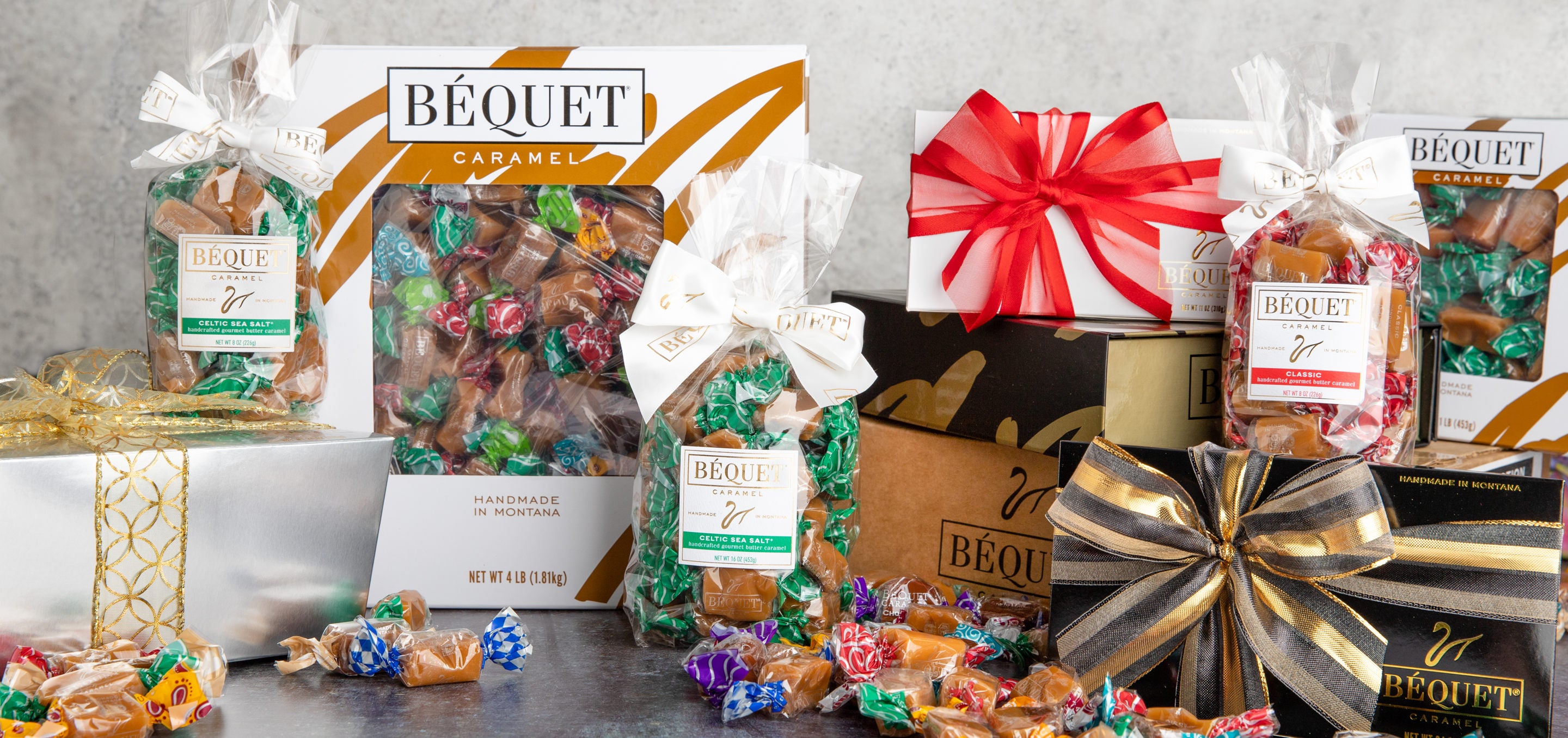
- Re-wrap each piece: Fresh wax paper or cello wrapping restores a protective layer against moisture.
- Move to a drier environment: A cool pantry or cabinet away from the stove makes a noticeable difference.
- Add silica packets: Food-safe desiccant packets absorb excess moisture and slow further softening.
For anyone wondering how to unstick caramel from wrappers, a brief stint in the freezer, about ten to fifteen minutes, firms the candy just enough to peel away cleanly without tearing.
Why Quality Caramel Holds Up Better
Not all caramel responds to humidity the same way. Cooking method, fat content, and ingredient quality all determine how well a piece resists moisture over time.
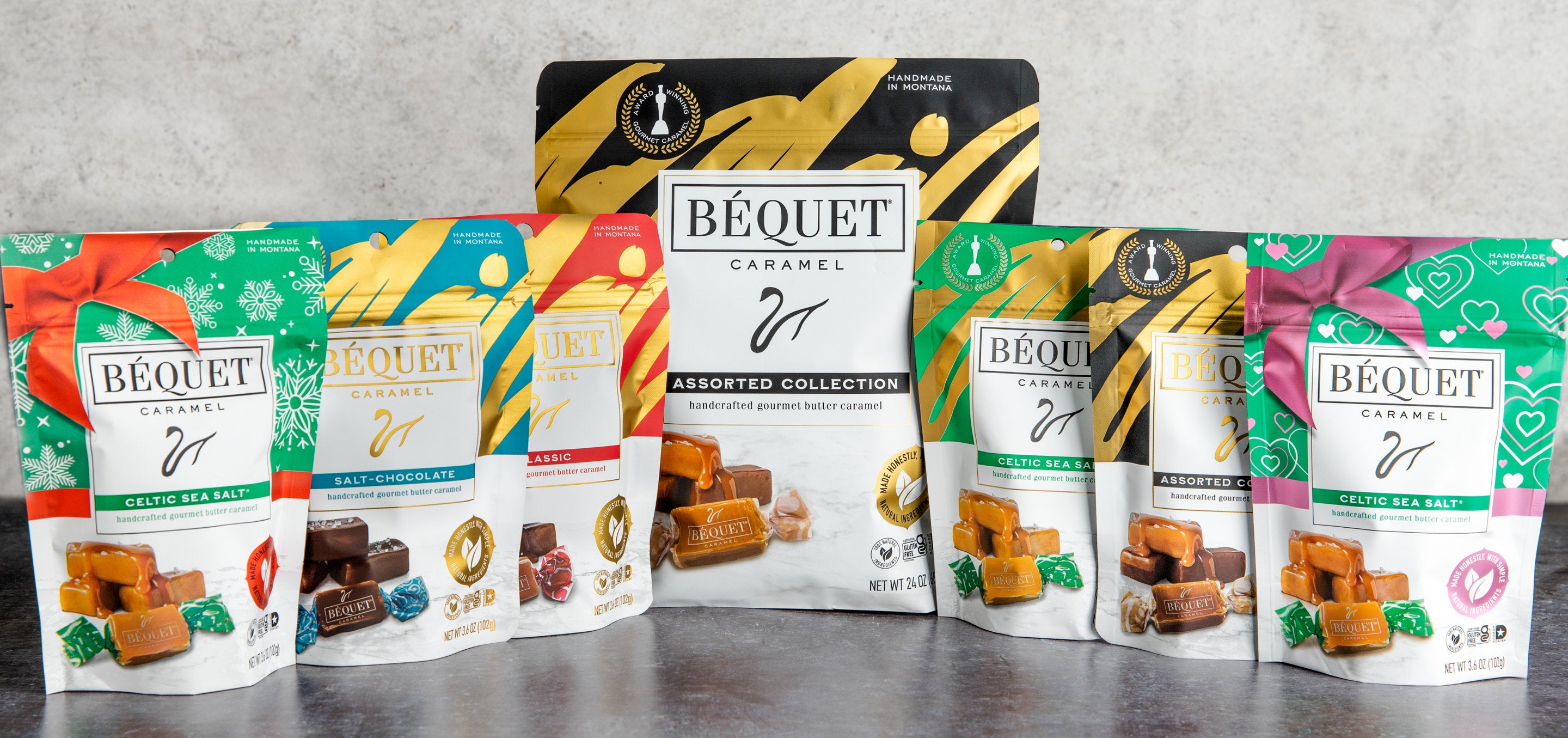
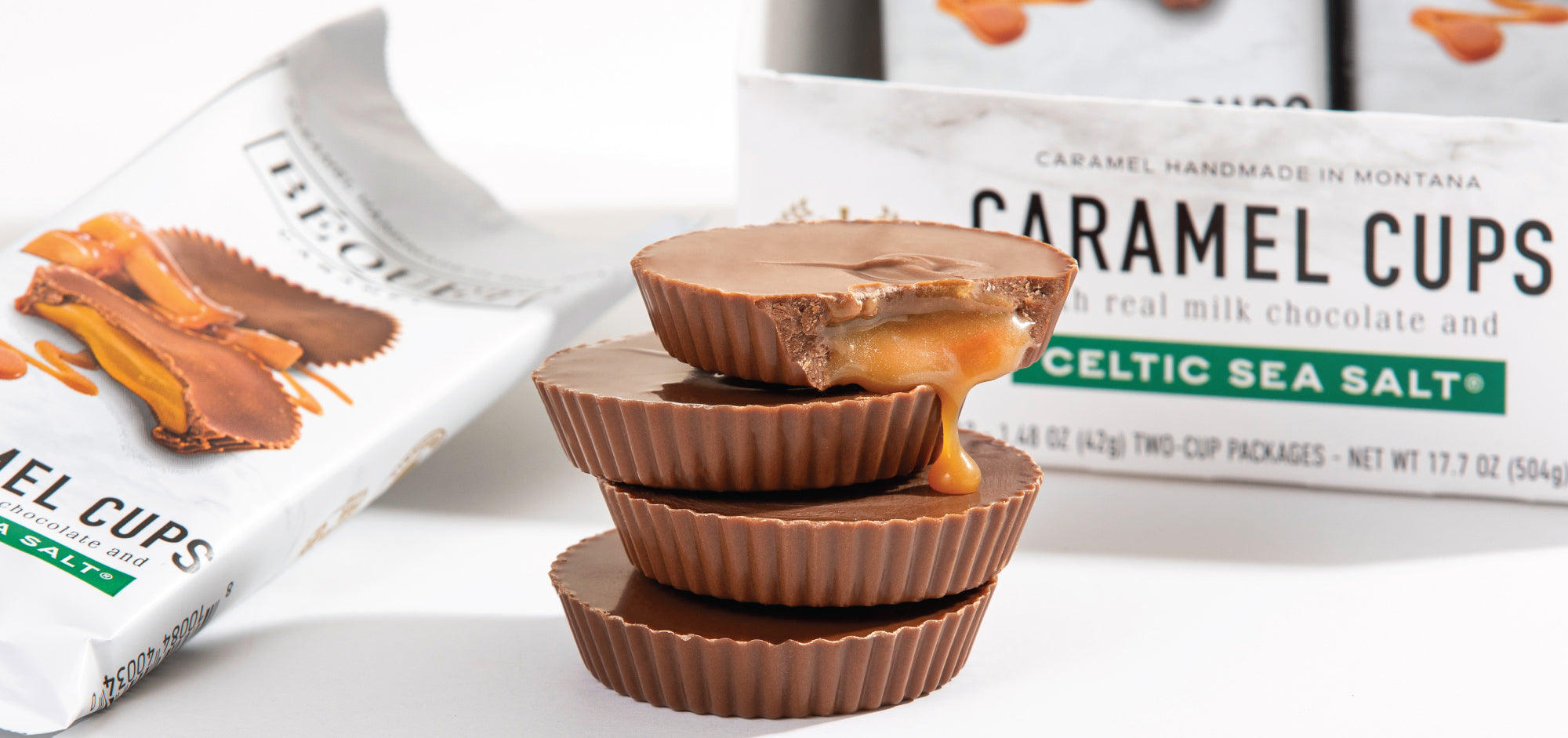
At Béquet, every batch is slow-cooked in Montana using all-natural ingredients, including antibiotic-free dairy and real butter. A soft butter caramel with higher fat content naturally resists stickiness better than candy made with fillers. Flavors like Celtic Sea Salt® and Salted Mocha maintain their smooth texture because the recipe prioritizes balance and craftsmanship over shortcuts.

The Sweet Standard
Great caramel deserves proper care. With the right storage habits and an eye on humidity, every piece can taste as smooth and buttery as the day it was made. When you start with award-winning, slow-cooked caramel crafted from all-natural ingredients, that freshness holds even longer.
Frequently Asked Questions
1. Why does my caramel get sticky overnight?
Caramel absorbs moisture from the air continuously. An unwrapped piece left on a counter in a room with above 60% humidity can develop a tacky surface within hours, not just overnight.
2. Can I fix sticky caramel without reheating?
Yes. Moving pieces to a drier environment, re-wrapping individually, and adding silica gel packets can restore texture without heat. How to unstick caramel often comes down to controlling moisture rather than reworking the candy.
3. Does freezing caramel change the flavor?
Freezing preserves both texture and flavor when done correctly. Wrap pieces tightly in wax paper, seal in a freezer-safe bag, and thaw at room temperature before unwrapping to avoid condensation.
4. What is the best container for storing caramel candy?
An airtight glass or heavy-duty plastic container works best. Glass does not absorb odors and seals tightly against humidity, which keeps soft caramel fresh longer than leaving pieces in an open bag or loosely covered dish.
5. Does sticky caramel mean the candy has gone bad?
Not necessarily. Sticky caramel is usually a sign of moisture absorption, not spoilage. Surface tackiness caused by caramel humidity can often be addressed with proper re-wrapping and drier storage conditions. However, if the candy develops an off smell or unusual discoloration, the safest choice is to discard the piece.
6. How long does gourmet caramel stay fresh after opening?
When stored in an airtight container at room temperature between 65°F and 75°F, quality caramel typically holds its texture for two to three weeks after opening. Slow-cooked caramel made with real butter and all-natural ingredients tends to maintain freshness longer than candy produced with artificial additives or lower fat content.