




Caramel doesn't require special treatment to stay fresh, but understanding a few core principles transforms how long you enjoy your favorite confection.
Whether you've chosen artisan salted caramel varieties or classic buttery caramel pieces, storage conditions directly impact texture, flavor, and freshness.

Room Temperature Storage Keeps Caramel Fresh for Longer
For most caramel candies, room temperature is ideal. A cool, dry spot in the house helps caramels stay soft and chewy without becoming sticky or overly firm.
Best range: about 18 to 22°C (68 to 72°F)
In these conditions, many individually wrapped caramels can stay fresh for several weeks (often up to 2 to 3 months, depending on ingredients and packaging).
Why Temperature Consistency Matters Most
Caramel doesn’t love temperature swings. Moving it repeatedly between warm and cool areas can affect texture over time, sometimes leading to a firmer bite or a slightly grainy feel.
To keep caramels smooth, store them away from:
- Direct sunlight
- Stovetops and ovens
- Radiators or heating vents
- Windowsills and hot cars
Best Room Temperature Storage Locations
Dark pantry shelves, bedroom closets, and basement areas maintain the steady conditions caramels prefer. Basements staying around 15°C can actually extend freshness longer than main-floor locations near windows or appliances. Avoid upper kitchen cabinets near ceiling lights that generate heat pockets reaching 28°C during summer.
How Heat Sources Affect Caramel Quality
Heat is one of the fastest ways to ruin caramel. Even mild warmth can make caramels soften too much, stick to wrappers, or lose their intended texture.
If your kitchen runs warm, store caramel in a cooler room, especially during summer.
How Long Does Caramel Last Without Refrigeration?
Unopened caramel packages stay good for the full 12 weeks when stored in cool, dark locations. Once opened, keep caramel in airtight containers and consume within 4-6 weeks for optimal flavor.
Shelf Life by Caramel Type
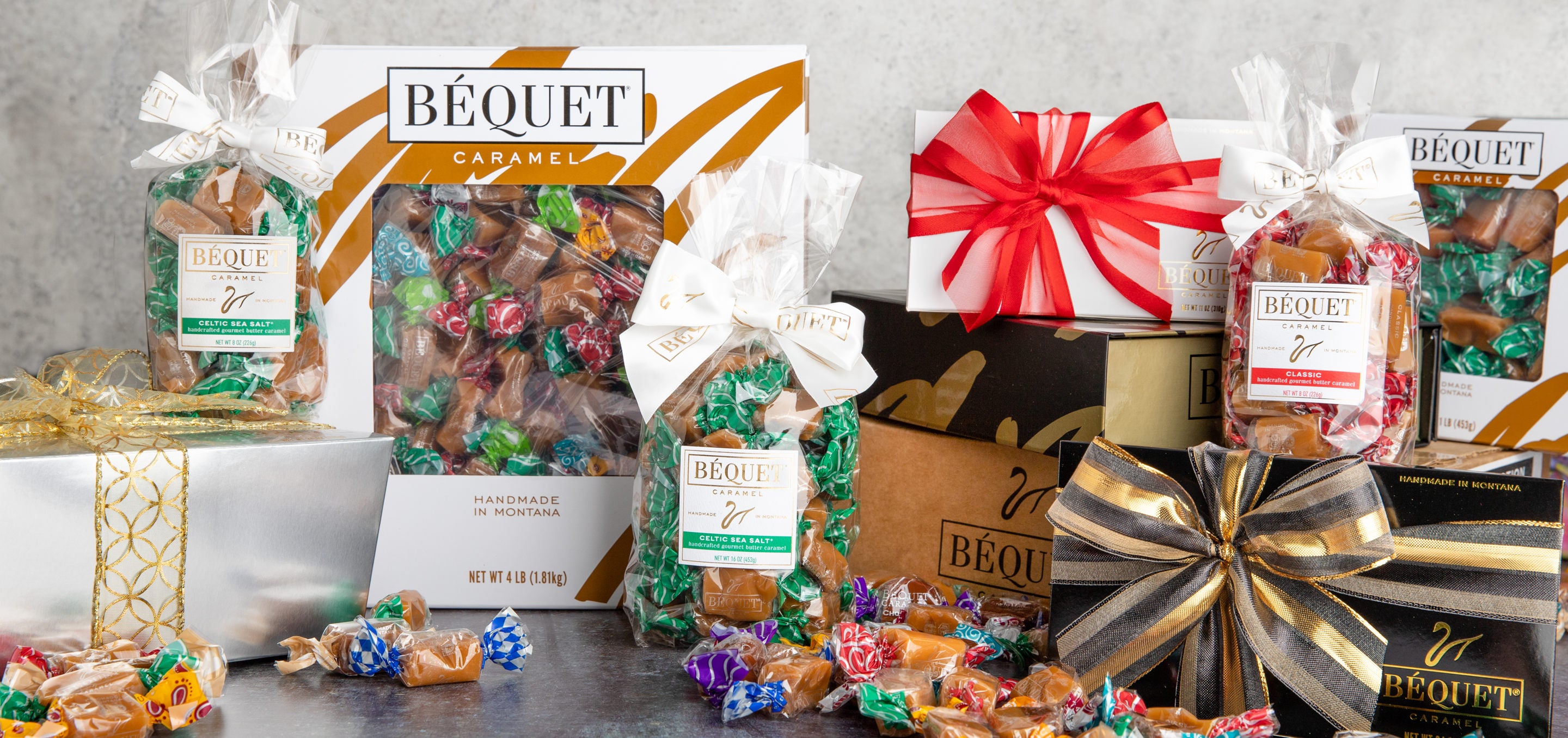
Homemade caramels without protective wrapping last 2-3 weeks at room temperature. Individually wrapped pieces from Béquet’s collections extend to 8-10 weeks after opening. Commercial varieties with individual wrapping outlast unwrapped batches significantly.
Signs Caramel Has Passed Peak Quality
Caramel rarely spoils quickly, but it can lose quality.
Watch for:
- Sugar bloom: a light, powdery coating or crystals on the surface
- Texture changes: caramels become unusually hard, dry, or grainy
- Stickiness: wrappers become difficult to remove (often from heat or humidity)
- Flavor dulling: buttery notes taste flat or slightly stale
If the caramel smells off or has visible mold (rare but possible with homemade caramels), discard it.
Does Caramel Need Refrigeration?
Caramel does not need refrigeration under normal circumstances. Refrigerators can actually harm caramel because moisture accumulates inside containers within 48 hours.
Why Refrigeration Can Damage Texture
If caramel isn’t sealed tightly, it can absorb moisture and become sticky. It may also pick up food odors. Refrigerated caramels can become sticky and absorb odors from surrounding foods within 48 hours.. Refrigeration can only become necessary when room temperatures consistently exceed 25°C.
How to Store Caramel in Hot Climates?
During extreme heat, move caramels to the coolest location available. Use insulated storage bags when transporting caramels in temperatures above 30°C. Allow 2 hours for temperature adjustment when moving between locations to prevent condensation.
Humidity Control During Storage
Keep relative humidity between 40-50% by placing 2-3 silica gel packets near your storage container. Replace them every 30 days during humid seasons. When humidity exceeds 60%, caramel can absorb moisture within 72 hours, becoming sticky and difficult to unwrap.
Container Selection Preserves Caramel Freshness
The most important factor is airtight storage.
Good options:
- Glass jars with tight lids
- Hard plastic food containers with sealing lids
- Metal tins with snug closures
Avoid containers that breathe or don’t seal well, since they allow moisture and air to affect texture.
Best Container Materials
Food-safe glass with tight-fitting lids outperforms plastic for long-term storage. Metal tins can offer protection from light and air when sealed properly. Avoid breathable containers that allow oxidation and moisture infiltration.
Proper Layering Techniques
If your caramels are unwrapped or lightly wrapped, separate layers with wax paper or parchment paper. This prevents sticking and makes it easier to grab a piece without pulling the whole batch apart.
Can You Freeze Caramel Successfully?
Freezing can extend shelf life to 3-6 months when wrapped properly. Wrap each piece in wax paper, place it in freezer-safe bags with excess air removed, and label it with the date. Allow 2-3 hours at room temperature for gradual thawing before unwrapping.
Protection From Light Preserves Caramel Flavor
Direct sunlight can warm caramel and soften it, even through packaging. It can also slowly dull flavor over time.
Store caramel in a dark cupboard or pantry whenever possible, especially if you’re keeping it for more than a week or two.
Light Exposure Effects on Quality
Sunlight can create temperature increases of 5°C, accelerating sugar bloom formation. Basement storage areas with zero light exposure maintain peak quality longer than kitchen cabinets near windows.
Optimal Dark Storage Spaces
Closed pantry cabinets away from windows work well for small quantities. Basements provide ideal conditions with minimal light and stable temperatures around 15°C.
Why UV Damage Happens Quickly
Caramel's buttery notes and salt balance can degrade when exposed to sunlight. Event planners preparing bulk orders should reserve dark closet space 2 weeks before celebrations to maintain flavor integrity.
Caramel Made Simple
Storing caramelis easy, and it makes a noticeable difference. Keep caramels cool, dry, and sealed, and they’ll stay soft and flavorful far longer than most people expect.
Shop Béquet’s handcrafted varieties, whether featuring Celtic Sea Salt® or rich Salted Mocha notes, deserve storage conditions that honor their quality.

For the best experience, store at room temperature, seal tightly after opening, avoid heat and humidity, and freeze if you want long-term storage.
Frequently Asked Questions
1. How long does caramel last at room temperature?
Caramel lasts 8-12 weeks at room temperature (18-22°C) when stored in airtight containers away from heat and light.
2. Does caramel need to be refrigerated?
No, caramel does not need refrigeration under normal conditions; refrigeration actually causes moisture absorption and a sticky texture within 48 hours.
3. Can you freeze caramel to extend shelf life?
Yes, caramel freezes successfully for 3-6 months when individually wrapped in wax paper and stored in freezer-safe bags with excess air removed.
4. How do you know if stored caramel has expired?
White sugar blooms on surfaces, hardened texture requiring 10+ seconds to chew, or discoloration from golden brown to dull tan indicates caramel has passed peak quality.
5. What is the best way to store caramels?
Store caramels in airtight glass containers with wax paper between layers at room temperature, maintaining freshness for 2-3 weeks without wrapping or 6-8 weeks with individual wax paper wrapping.
6. How does humidity affect caramel storage?
Humidity above causes caramel to absorb moisture within 72 hours, creating sticky surfaces; maintain 40-50% humidity using silica gel packets replaced every 30 days.
7. Does caramel freeze solid?
Soft caramels do not freeze completely solid because high sugar concentration depresses the freezing point. They firm up significantly in the freezer but remain slightly pliable, making them easy to thaw and enjoy without cracking.
8. Can you freeze chocolate covered caramels?
Yes. Chocolate covered caramels freeze well for up to 3 months. Wrap tightly in wax paper, layer between parchment in a freezer-safe container, and thaw slowly at room temperature to prevent the chocolate shell from blooming.