



Watching sugar transform under heat into something golden and glossy feels almost like alchemy. Caramel has captivated palates for over a thousand years, evolving from ancient hard candies into the buttery, soft confections we crave today.
Whether you're drizzling it over dessert or savoring a piece of handcrafted caramel candy, understanding where caramel comes from adds another layer of appreciation to each bite.
What is Caramel?
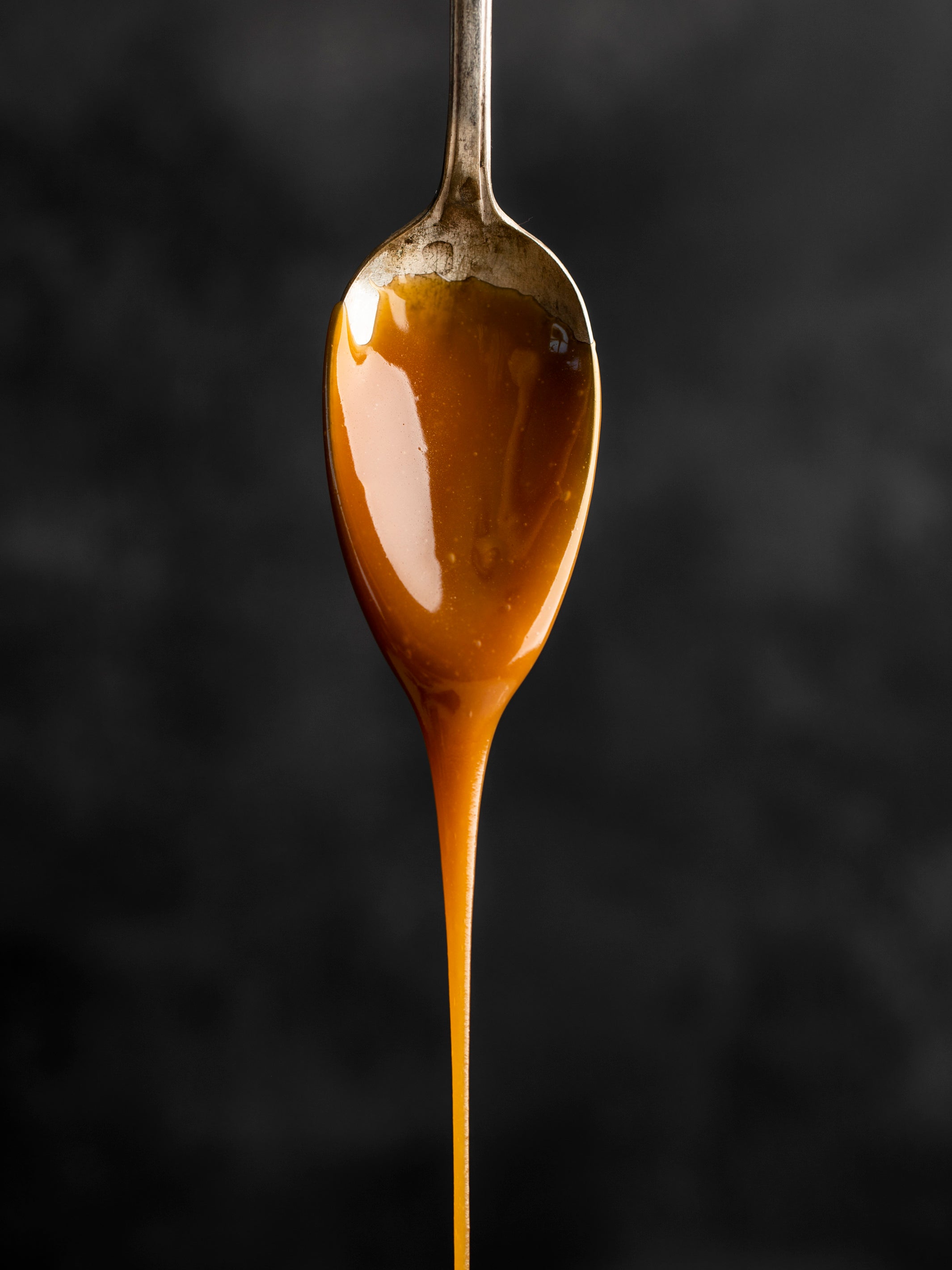
At its simplest, caramel is sugar heated until it melts, darkens, and develops a deeper, more complex flavor. This process is called caramelization and typically begins around 170°C (340°F).
As sugar heats, it breaks down and forms hundreds of new compounds. That’s what creates caramel’s signature color, aroma, and taste.
The Transformation Includes
- Color shift: From white crystals to amber to deep brown
- Flavor development: Sweet, nutty, slightly bitter notes emerge
- Texture variation: Ranges from pourable sauce to firm candy
Adding cream, butter, or milk creates a soft caramel with a richer mouthfeel. Vanilla often appears at the end of cooking to preserve its delicate aroma. Salt, a more recent addition, balances sweetness and amplifies the buttery notes.
Who Invented Caramel and Where Did It Originate?
Caramel doesn’t have a single inventor. Like many classic sweets, it evolved over time as sugar-making spread across cultures and continents.
Early Sugar Confections in the Middle East
Some food historians trace caramel’s earliest roots to the Middle East, where cooks boiled sugar into hard candies and syrups as early as the medieval period. These early confections weren’t “soft caramels” as we know them today, but they laid the groundwork for sugar-based candy-making techniques that later spread into Europe.
Sugar also had uses beyond sweets. In many cultures, it appeared in early medicinal preparations, cosmetics, and perfumes. As trade expanded across the Mediterranean, sugar knowledge traveled through North Africa, Sicily, and Spain.
The Word Caramel Takes Shape
The word caramel is widely believed to come from the Spanish caramelo, which may trace back to Medieval Latin cannamellis, combining canna (cane) and mellis (honey). The meaning is essentially sweet syrup made from sugarcane.

How Caramel Spread Through Europe
By the 1600s and 1700s, French and Spanish confectioners had refined sugar-boiling techniques. Caramel remained mostly hard candy during this period, used for decorative work or medicinal syrups. Sugar was still expensive, limiting caramel to wealthier households.
As European powers established sugar plantations in the Americas, sugar production expanded dramatically. Prices dropped, and candy-making became more accessible. Caramel began appearing in more recipes, though still as a brittle or hard candy rather than the soft variety we know today.
When Was Caramel Invented in Its Modern Form?
The chewy, buttery caramel candy most people recognize today is a relatively modern invention. It became popular in the mid-to-late 1800s, especially in the United States, when confectioners began adding dairy (milk, cream, and butter) to boiled sugar.
These additions created a smoother texture and richer flavor. As candy-making became more industrial, ingredients like glucose syrup and corn syrup were used to help reduce crystallization and keep caramels soft and pliable.
America's Soft Caramel Revolution
The soft, chewy caramel we love today emerged in mid-1800s America. Candy makers discovered that adding milk, cream, and butter to the traditional sugar-and-water formula created a smooth, melt-in-your-mouth texture.
By the 1880s, industrial corn syrup production gave confectioners another crucial ingredient. Corn syrup prevented sugar crystals from forming, keeping caramels soft and pliable. Hundreds of American manufacturers began producing both hard and soft caramel varieties.
One name stands out in caramel history: Milton S. Hershey. Before building his chocolate empire, Hershey founded the Lancaster Caramel Company in 1886. His creamy, mass-produced caramels became wildly popular, and profits from caramel sales eventually financed his transition into chocolate manufacturing.
Key developments in American caramel
- Addition of dairy for creaminess
- Corn syrup to prevent crystallization
- Industrial production methods
- Wider accessibility as sugar prices fell
While no single person invented caramel, American candy makers transformed it into the soft confection that defines the category today.
The Birth of Salted Caramel
Sweet met savory in 1977 when French pastry chef Henri Le Roux created caramel au beurre salé — salted butter caramel — in Quiberon, Brittany, a region historically known for its high-quality salted butter. Le Roux combined that regional butter with sugar and crushed nuts to produce a stable, shelf-viable confection unlike the perishable salted caramel sweets that had circulated in Brittany since the 1940s.
His creation earned the title of Best Confectionery in France at the Salon International de la Confiserie in 1980. Salted caramel remained a regional specialty through the 1990s, when Parisian pastry chef Pierre Hermé introduced salted caramel macarons to wider audiences. Mass-market adoption followed in 2008, when Häagen-Dazs and Starbucks launched salted caramel products globally. Today, salted caramel is one of the most commercially dominant caramel formats worldwide.
A Thousand Years of Golden Perfection
From early boiled-sugar confections to French pastry refinement and American caramel candy production, caramel has traveled across cultures and centuries to become one of the world’s most beloved treats.
Every bite of handcrafted caramel reflects a long tradition of transforming simple ingredients into something extraordinary. Whether you love classic vanilla, buttery soft caramel, or a modern salted finish, caramel remains timeless for a reason.
At Béquet, we honor that tradition by slow-cooking caramel in small batches in Montana using premium ingredients and time-tested techniques, creating caramels that feel both classic and unmistakably special.
Frequently Asked Questions
1. What is caramel made of?
Basic caramel requires only sugar and heat. Adding cream, butter, vanilla, or salt creates the soft, flavorful varieties most people enjoy. Corn syrup or glucose helps prevent crystallization in soft caramels.
2. Who invented caramel?
No single inventor exists. Arab confectioners created early hard sugar candies around 1000 CE. American candy makers in the 1800s developed the soft, creamy version by adding dairy and corn syrup.
3. Where does caramel come from?
Caramel origins begin in the Middle East with early sugar candies. The confection spread through trade routes to Europe, then evolved significantly in America during the Industrial Revolution.
4. When was caramel invented?
Early caramel-like candies appeared around 1000 CE. Modern soft caramel emerged in mid-1800s America. Salted caramel arrived in 1977, when French pastry chef Henri Le Roux created caramel au beurre salé in Quiberon, Brittany. It won Best Confectionery in France in 1980 and reached global mass-market adoption in 2008.
5. Where did caramel originate?
The earliest known caramel-style sweets originated in the Arab world, where confectioners boiled sugar into hard candies. European and American innovations later transformed these into soft, buttery treats.
6. How does caramel differ from butterscotch or toffee?
Caramel is made by heating sugar until it caramelizes, often with butter and cream added for softness. Butterscotch typically uses brown sugar and cooks to a slightly lower temperature, creating a softer, more buttery flavor. Toffee is cooked longer at a higher temperature, producing a harder, brittle texture.
7. Is caramel a candy?
Yes. Caramel candy is a soft, chewy confection made by boiling sugar with cream, butter, milk, and vanilla. It is classified as a sugar candy and is distinct from caramel sauce, which is a liquid topping.
8. Where did salted caramel originate?
Salted caramel originated in Brittany, France in 1977, when pastry chef Henri Le Roux combined the region's salted butter with sugar to create caramel au beurre salé. It won Best Confectionery in France in 1980.
9. What does the word caramel mean?
The word caramel entered English from French, which borrowed it from Spanish caramelo in the 18th century, itself derived from Late Latin calamellus, meaning "small sugar cane" or "reed." The exact origin remains debated.