



Chocolate is one of those rare ingredients that is both simple and deeply complex. A single cocoa bean, processed in different ways, yields dark, milk, and white chocolate, plus several modern variations. Knowing the different kinds of chocolate helps you choose better for baking, gifting, and pairing with flavors like gourmet caramel.
What Sets Each Type of Chocolate Apart
All chocolate starts with the cacao bean. How much cocoa solids, cocoa butter, sugar, and milk go into the final product determines the type. Here is a quick comparison of the main chocolate varieties.
|
Feature |
Dark Chocolate |
Milk Chocolate |
White Chocolate |
|
Cocoa Solids |
35% to 100% |
10% to 50% |
None |
|
Cocoa Butter |
Yes |
Yes |
Yes (primary base) |
|
Milk Solids |
Rarely |
Yes |
Yes |
|
Sweetness |
Low to moderate |
Moderate to high |
High |
|
Texture |
Firm, snappy |
Smooth, creamy |
Soft, buttery |
|
Shelf Life |
~20 months |
~16 months |
~4 months |
Dark Chocolate and Its Bold Personality
Dark chocolate is defined by its high cocoa solids content, giving it a deep brown color and an intense, bitter flavor. At minimum, dark chocolate must contain 35% cocoa solids under FDA standards, though quality bars often sit between 60% and 85%.
Where Cocoa Content Changes Everything
A 55% bar tastes noticeably sweeter than a 72% bar, even though both qualify as dark. Higher percentages bring out earthy, fruity, and even spicy notes depending on bean origin. For anyone who enjoys bold flavors, dark chocolate pairs beautifully with caramel, salt, and coffee. A dark chocolate caramel with a Celtic Sea Salt® finish balances bitterness with buttery sweetness in a way neither ingredient achieves alone.
Milk Chocolate and the Crowd Favorite
Milk chocolate is the most widely enjoyed type of chocolate worldwide. Made from cocoa solids, cocoa butter, sugar, and milk solids, milk chocolate is sweeter, creamier, and lighter than dark. The FDA requires a minimum of 10% chocolate liquor and 12% milk.
Sweet, Creamy, and Endlessly Versatile
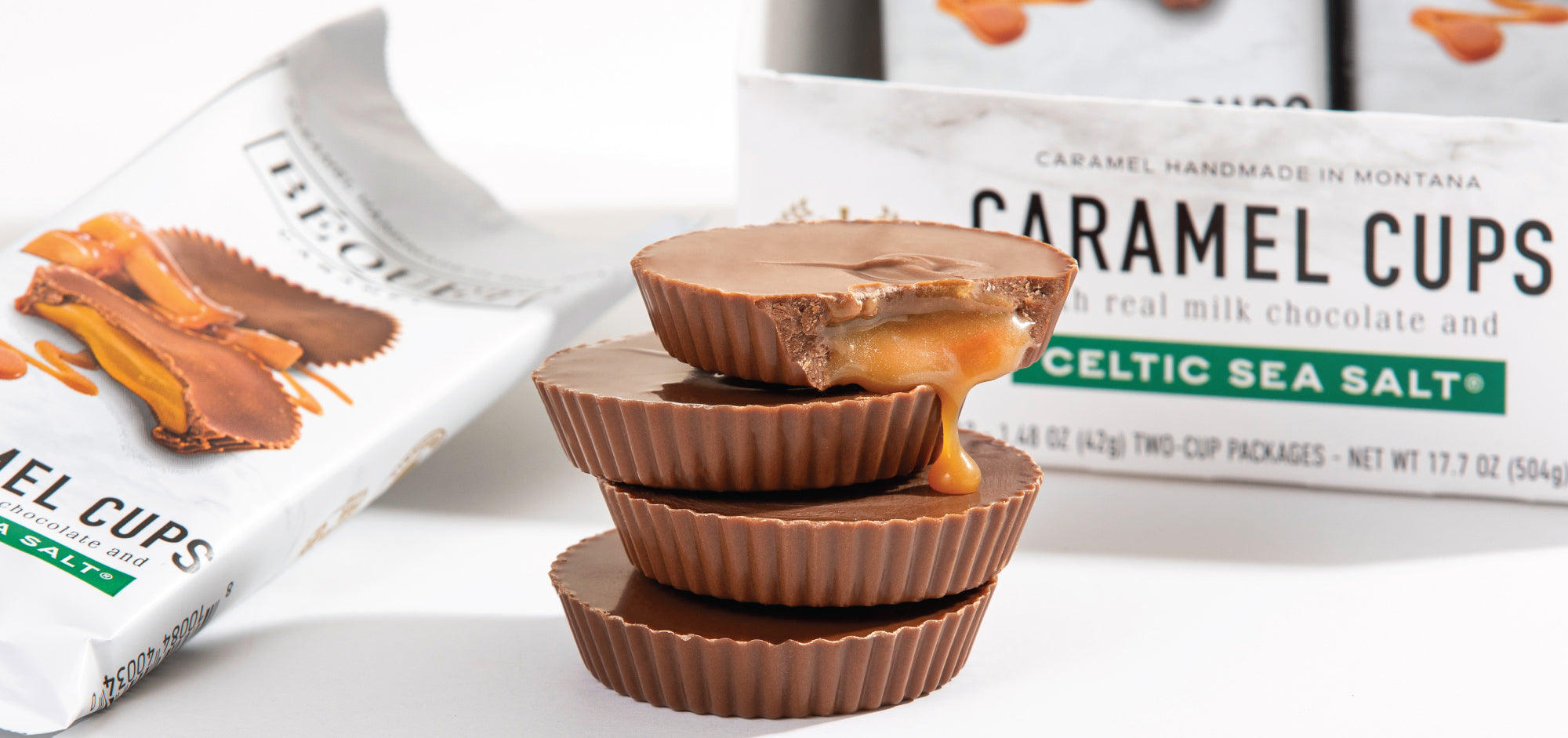
Milk chocolate appeals broadly because of its balanced sweetness and smooth texture. Dairy softens cocoa's intensity, creating a mellow flavor with caramelized sugar and vanilla undertones. Paired with a soft, buttery caramel candy, the result is rich without being overwhelming.
White Chocolate and Why It Counts
White chocolate contains no cocoa solids, which is why many question whether it qualifies as chocolate. The answer is yes. Made from cocoa butter, sugar, and milk, white chocolate meets the FDA requirement of at least 20% cocoa butter and 14% milk solids.
Cocoa Butter Does the Heavy Lifting
High cocoa butter content gives white chocolate its soft, creamy texture and ivory color. The flavor leans sweet and dairy-forward, with vanilla and condensed milk notes. Quality matters here more than in most kinds of chocolate, because inexpensive versions substitute vegetable fats for cocoa butter, producing a waxy product that cannot legally carry the name.
Beyond the Big Three
The best types of chocolate stretch well past dark, milk, and white. Several other forms have earned a place in kitchens and confectioneries.
Ruby, Bittersweet, and Cocoa Powder
- Bittersweet chocolate: Contains at least 35% cocoa liquor, typically 66% or higher. Deeper and less sweet than standard dark, bittersweet is a favorite among serious bakers.
- Ruby chocolate: Introduced in 2017 by Barry Callebaut. Made from specially processed ruby cocoa beans, ruby chocolate has a natural pink hue and a tart, berry-like flavor without added colorings.
- Cocoa powder: Comes from pressing cocoa butter out of chocolate liquor and crushing the remaining solids. Natural cocoa is acidic and bright, while Dutch-processed cocoa is smoother and darker.
How Chocolate and Caramel Work Together
Chocolate on its own is exceptional. Combined with caramel, salt, or espresso, chocolate becomes something more layered. Cocoa's bitterness against caramel's buttery sweetness creates depth that no single ingredient delivers alone.
A salted caramel candy shows how salt bridges the gap between cocoa and brown sugar. A classic butterscotch caramel satisfies that same craving with warm, nostalgic undertones.

Whether paired with chocolate or enjoyed alongside it, slow-cooked caramel made with all-natural ingredients brings out the best in every combination.
Frequently Asked Questions
1. What are the main types of chocolate?
The three primary types of chocolate are dark, milk, and white. Additional forms include bittersweet, ruby, and cocoa powder, each with a distinct flavor and composition.
2. Does white chocolate count as real chocolate?
Yes. White chocolate is made from cocoa butter, which comes directly from the cacao bean. The FDA requires at least 20% cocoa butter for a product to use the white chocolate label.
3. Which chocolate pairs best with caramel?
Dark chocolate and caramel are a classic pairing. Cocoa's bitterness balances the sweetness of slow-cooked caramel with Celtic Sea Salt®, creating a combination that feels both decadent and balanced.
4. How is bittersweet chocolate different from dark chocolate?
Bittersweet chocolate falls under the dark chocolate category but contains a higher cocoa percentage, typically 66% or above. The result is a deeper, less sweet flavor preferred in baking and by those who enjoy intense cocoa.
5. Can you use different kinds of chocolate interchangeably in baking?
Dark, bittersweet, and semisweet can often be swapped depending on how sweet you want the final result. Milk and white chocolate behave differently under heat, so substituting them requires adjusting sugar and fat ratios.
6. What makes ruby chocolate pink?
Ruby chocolate gets its color from naturally occurring pigments in ruby cocoa beans, not from added dyes or fruit flavoring. The beans are processed in a way that preserves their pinkish hue and a tart, berry-like taste.