




Not every caramel flavor on a label tells the same story. Some come from real ingredients like slow-cooked sugar, dairy, and fruit extracts, while others are built entirely in a lab.
Understanding the gap between natural caramel flavor and artificial caramel flavoring helps you make sharper choices about the food you eat and the treats you share.
What Natural Caramel Flavor Actually Means
Natural caramel flavor is a flavoring compound derived from real, food-based sources. Caramelized sugar, dairy, fruit, and plant extracts all qualify as starting points. Under FDA guidelines, natural flavor must originate from a plant, animal, or microbial source, meaning the base material exists in nature before any processing begins.
What sets natural flavoring apart is complexity. A single natural caramel extract can contain hundreds of individual flavor compounds, each contributing subtle notes of butterscotch, toasted sugar, or warm vanilla. The result is a layered taste profile that synthetic methods struggle to match.

How Artificial Caramel Flavoring Is Produced
Artificial caramel flavoring is synthesized in a laboratory, often from petroleum-based or other synthetic starting materials. Chemists isolate one or two dominant flavor molecules and reproduce them at scale. The priority is consistency and cost efficiency, not depth.
Because artificial flavoring typically relies on a single compound, the taste can feel one-dimensional. A lab-made caramel note might hit the right sweetness, but it often lacks the warmth and buttery undertones that come from real ingredients interacting during slow cooking.
Natural vs Artificial Flavoring Side by Side
When comparing natural vs artificial flavoring, the differences show up in five key areas.
|
Feature |
Natural Caramel Flavor |
Artificial Caramel Flavoring |
|
Origin |
Plants, dairy, fruits, microbes |
Synthetic or petroleum-based |
|
Complexity |
High, often hundreds of compounds |
Low, typically one compound |
|
Cost |
Generally higher |
Lower |
|
Batch Consistency |
Slight natural variation |
Very consistent |
|
Taste Depth |
Layered and nuanced |
Simpler and more uniform |
Both types are generally considered safe for consumption, but the sensory experience between them differs significantly. The source and complexity of flavoring compounds shape how caramel actually tastes on your tongue.
Common Caramel Flavoring Ingredients Worth Knowing
A closer look at caramel flavoring ingredients reveals what separates a quality product from a mass-produced one.
Ingredients in Natural Caramel Flavoring
- Caramelized sugar (brown sugar, cane sugar, or tapioca syrup)
- Dairy components (butter, cream, milk)
- Vanilla extract
- Salt (such as Celtic Sea Salt®)
- Fruit or plant-derived extracts
Ingredients in Artificial Versions
- Diacetyl (a synthetic butter-flavor compound)
- Ethyl maltol (for added sweetness)
- Petroleum-derived solvents
- Synthetic vanillin
Reading labels closely matters. When caramel flavoring ingredients come from recognizable, real-food sources, the final product tends to deliver a richer, more satisfying experience.
Real Ingredients Shape Better Caramel
Flavor that comes from actual food, not a formula, carries depth you can taste.
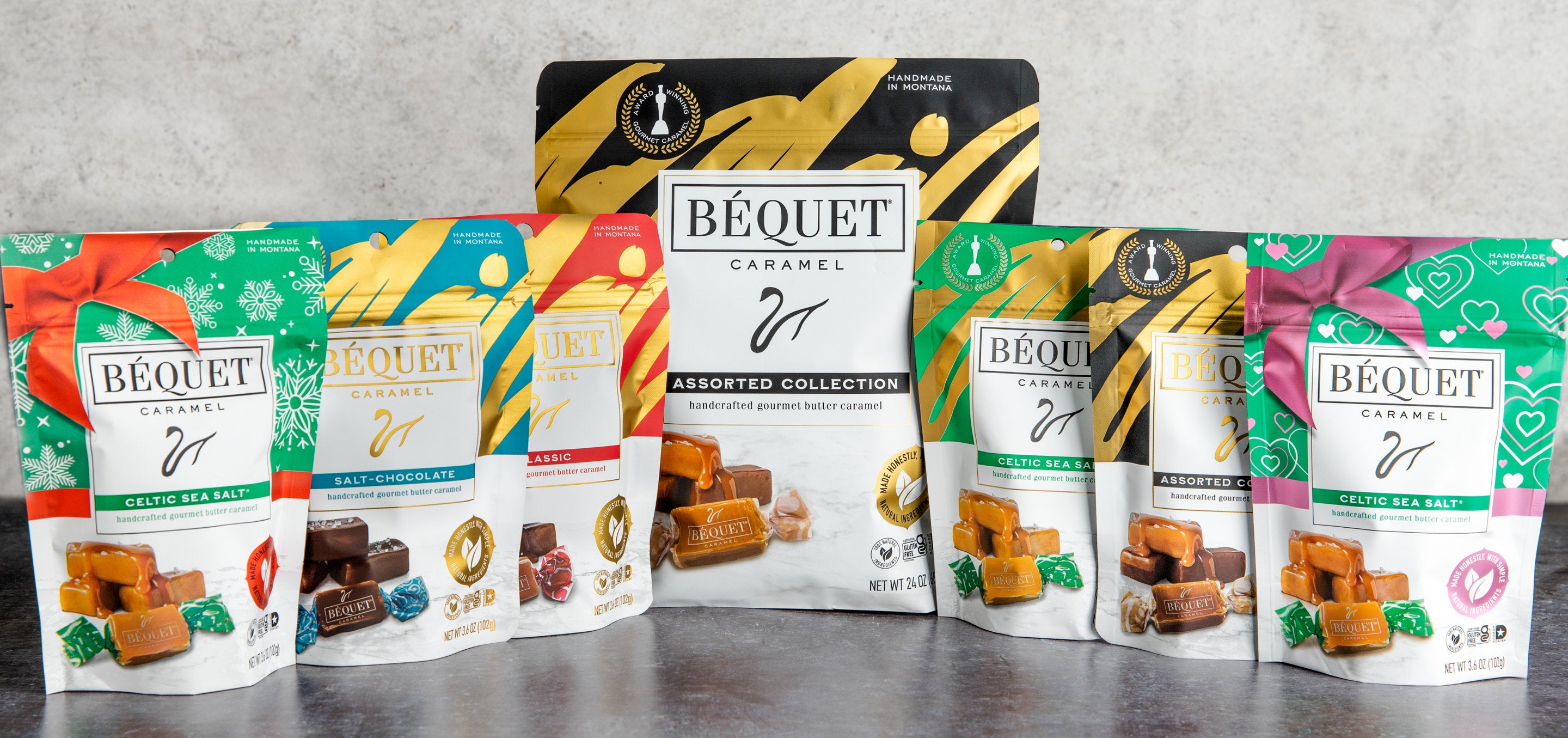
At Béquet, every batch of Montana caramel is crafted using all-natural ingredients, allowing flavor to develop naturally through slow cooking rather than artificial shortcuts. Rather than relying on artificial shortcuts, the flavor develops through careful, slow-cooked processes that allow real ingredients to build complexity naturally.
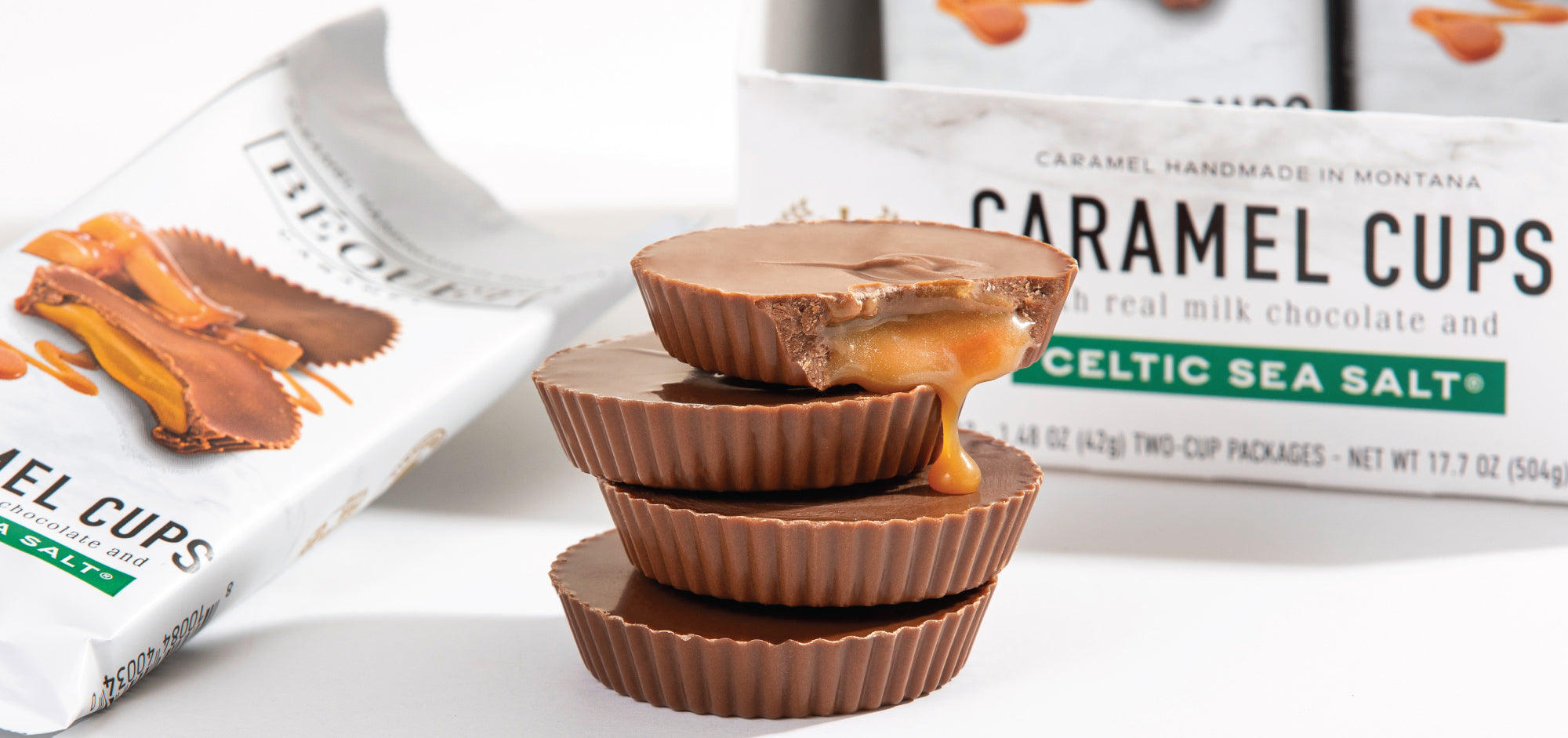
A Celtic Sea Salt® caramel earns its distinctive finish from hand-harvested salt sourced from coastal regions of France, Spain, and Portugal. A rich chocolate caramel gets its depth from real dark chocolate, not synthetic cocoa flavoring. Every classic butter caramel in the lineup starts with ingredients you can recognize and pronounce.
Twelve national awards back up the approach. When real ingredients meet small-batch cooking methods, the difference shows up in every bite.
Frequently Asked Questions
1. Is natural caramel flavor healthier than artificial caramel flavoring?
Neither type provides significant nutritional value on its own. Natural flavors come from real food sources, while artificial versions are synthesized. Choosing products made with all-natural ingredients means fewer synthetic additives in your food overall.
2. Can your body tell the difference between natural and artificial flavoring?
At a molecular level, some natural and artificial compounds can be identical. However, natural caramel flavor often contains a broader range of compounds, which contribute to a more complex and satisfying taste experience.
3. What should I look for on a caramel label?
Look for recognizable ingredients: real butter, cream, sugar, and natural extracts. Avoid long lists of synthetic compounds. Brands that prioritize quality and transparency make label-reading simple.
4. Does natural flavor on a label always mean the caramel is made from real sugar?
Not necessarily. Under FDA rules, natural flavor can come from any plant, animal, or microbial source, not just caramelized sugar. A product labeled with natural flavor might use dairy-derived or fruit-derived compounds rather than actual slow-cooked sugar. Checking the full ingredient list gives you a much clearer picture of what went into the recipe.
5. Why do some caramel brands use artificial flavoring instead of natural ingredients?
Cost and scalability are the biggest factors. Artificial compounds are cheaper to produce and deliver a uniform taste across massive production runs. For brands prioritizing volume over depth of flavor, synthetic options make financial sense. Brands that prioritize real ingredients and small-batch methods accept higher costs in exchange for richer, more layered results.
6. Are natural and artificial caramel flavors regulated differently?
Both fall under FDA oversight and are generally recognized as safe. The key regulatory distinction is sourcing. Natural flavors must originate from a real food source, while artificial flavors can be synthesized from non-food materials.