




A good candy caramel recipe is equal parts chemistry and intuition. Sugar, butter, cream, and heat come together to create something golden, chewy, and deeply satisfying. But not every caramel craving calls for a hot stove and a candy thermometer. Here's what you need to know about making caramel at home, choosing the right variation, and knowing when gourmet caramel is the better call.
What Makes a Great Candy Caramel Recipe
The difference between good caramel and forgettable caramel comes down to a handful of essentials. Every ingredient plays a specific role.
The Ingredients That Set the Standard
- Sugar acts as the base. Granulated sugar caramelizes cleanly, while brown sugar adds molasses depth.
- Heavy cream and butter create that smooth, melt-in-your-mouth texture every great caramel needs.
- Salt sharpens every flavor. Many of the best caramel candy recipe versions use sea salt for a balanced finish.
- Vanilla rounds out the profile, adding warmth without competing with the caramel.
A heavy-bottomed pan, a reliable thermometer, and steady patience are the only tools you need.
How to Make the Best Homemade Caramels Step by Step
The best homemade caramels recipe follows a simple progression, but the details make all the difference.
Step 1: Prep Your Pan Before the Heat Goes On
Butter or line an 8x8 pan with parchment before you start. Once the caramel hits temperature, there is no time to scramble for supplies. Smooth the parchment flat against the corners so the finished slab releases cleanly. A little extra butter along the edges helps, too.
Step 2: Cook the Sugar Base Low and Slow
Combine sugar, water, and corn syrup in a heavy-bottomed pot. Heat without stirring until the mixture reaches 325 to 345°F and turns a rich amber. Swirling the pot gently is fine, but a spoon or whisk at this stage invites crystallization. Watch the color closely, because the shift from golden to deep amber happens faster than you expect.
Step 3: Add the Dairy Slowly and Carefully
Pour warm cream in a thin, steady stream. The mixture will bubble aggressively, sometimes doubling in volume, so use a pot larger than you think you need. Cold cream can cause the sugar to seize, so warming the cream beforehand keeps the process smooth and predictable.
Step 4: Stir Constantly Once the Butter Goes In
Once butter and salt join the pot, scrape the bottom continuously with a flat-edge spatula to prevent scorching. Pay attention to the resistance in the spatula. As the caramel thickens, you will feel it pull against the bottom of the pot, and that feedback tells you more than the thermometer alone.
Step 5: Hit Your Target Temperature
Cook to 245°F for soft, chewy caramels. A few degrees higher yields a firmer bite, closer to something you can slice and wrap. For a Béquet-style softness, that lower range is the sweet spot. Use a reliable candy thermometer clipped to the side of the pot, keeping the probe off the bottom for an accurate read.
Step 6: Finish with Vanilla and Pour
Stir in vanilla extract off the heat, then pour the caramel into your prepared pan in one smooth motion without scraping the pot sides. The residue clinging to the pot tends to be slightly overcooked, and folding that in can create grainy streaks in an otherwise silky slab. Let the pan rest at room temperature for at least two hours before cutting.
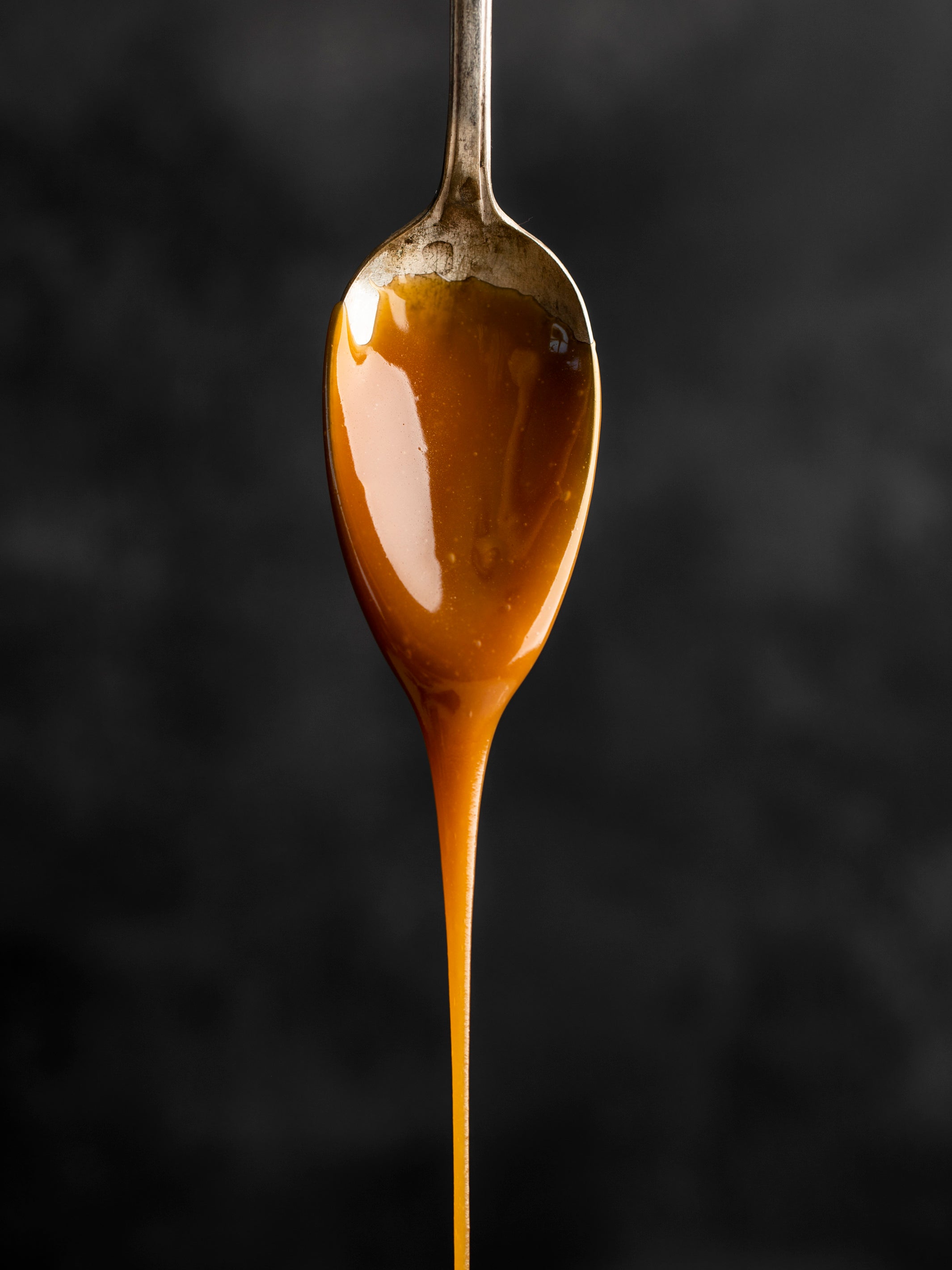
Watching sugar shift from pale syrup to deep amber under steady heat is part of what makes caramel so rewarding. With practice, you start reading the color and the bubbles more than the thermometer.
Best Caramel Candy Recipe Variations Worth Trying
Once the base recipe clicks, flavored caramels open up a whole new range.
- Salted caramel: Add flaky sea salt on top before cooling. A well-made salted caramel candy balances sweet and savory beautifully.
- Chocolate caramel: Fold in melted dark chocolate for a rich, layered treat. Chocolate caramel pairs well with a Celtic Sea Salt® finish.
- Butterscotch caramel: Swap some granulated sugar for brown sugar and lean into that molasses warmth. Butterscotch caramel brings a nostalgic depth.
- Espresso caramel: Stir in a shot of strong espresso for a grown-up twist with roasted, bittersweet complexity.

Homemade Caramel vs. Gourmet Small-Batch Caramel
For a complete breakdown of every style from soft and salted to adventurous combinations, explore our guide to caramel varieties and flavors. Knowing when to make caramel and when to buy depends on your priorities. Even the best homemade caramel recipe cannot match the consistency of professional slow-cooking.
|
Factor |
Homemade Caramel |
Gourmet Small-Batch Caramel |
|
Time |
60 to 90 minutes active |
Ready immediately |
|
Equipment |
Thermometer, heavy pot, spatula |
None |
|
Consistency |
Varies batch to batch |
Uniform across every piece |
|
Flavor Depth |
Depends on skill |
Professional technique |
|
Shelf Life |
One to two weeks |
Longer stability |
|
Best For |
Weekend projects, custom flavors |
Gifting, everyday enjoyment |
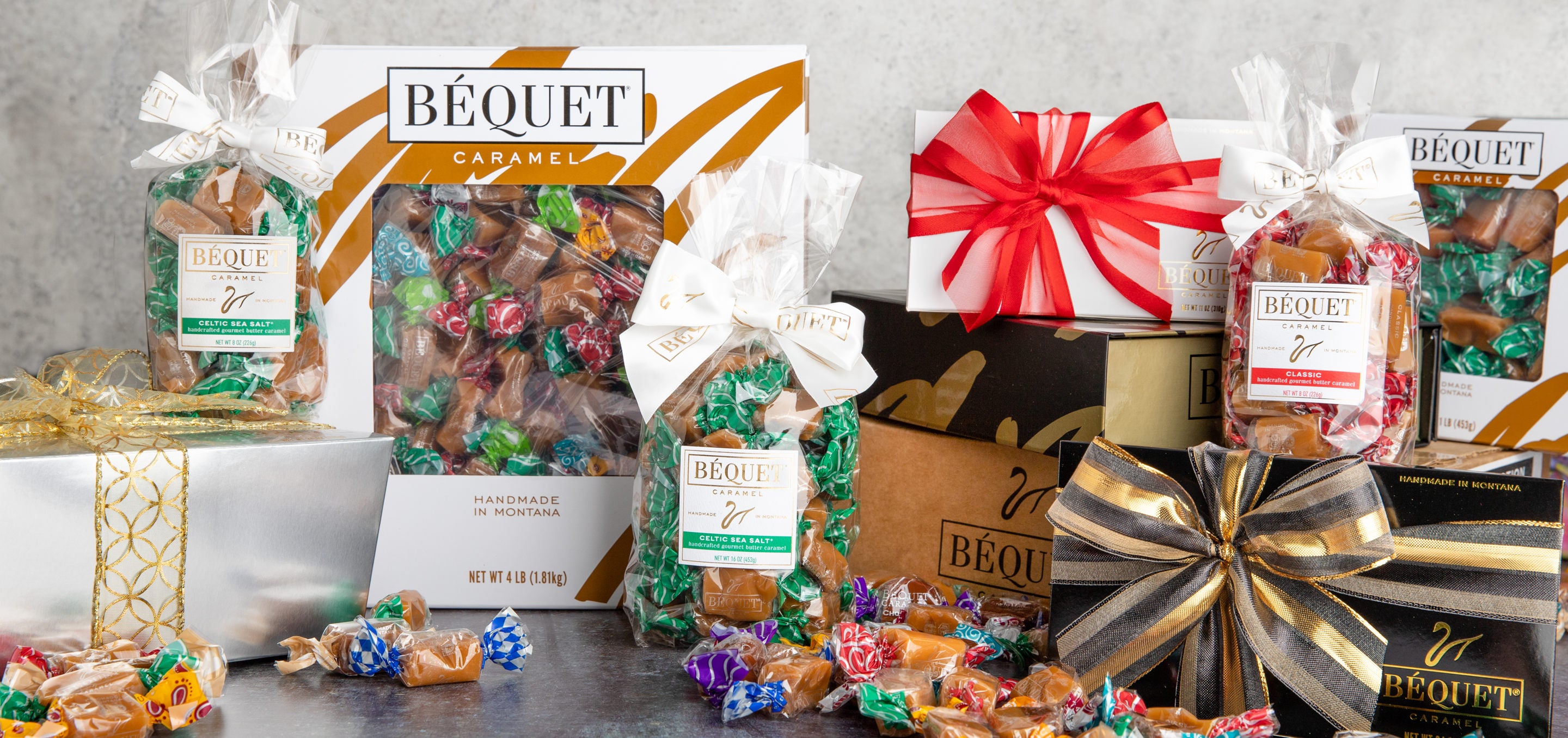
At Béquet, our Montana caramel reflects this same balance of precision and patience, crafted in small batches for consistent flavor and texture.
When to Skip the Kitchen and Choose Gourmet Caramel
Making caramel from scratch is rewarding, but a few situations call for a different approach.
- You are short on time or missing a candy thermometer
- You need consistent results for a gift or event
- You want layered flavors like sea salt caramel or a smooth caramel sauce that takes professional technique
- You prefer caramel made with carefully sourced, all-natural ingredients
For moments that call for something polished and reliable, award-winning gourmet caramel delivers without the cleanup.
Frequently Asked Questions
1. What is the best temperature for chewy caramel candy?
Cook to 245°F for soft, chewy caramels. Going to 248°F creates a firmer chew.
2. Can you make a caramel candy recipe without corn syrup?
Yes. Melt sugar slowly into an amber syrup before adding butter and cream. The texture differs slightly, but the flavor stays rich.
3. How long do homemade caramels stay fresh?
Wrapped in wax paper or cellophane, homemade caramels keep about two weeks at room temperature.
4. Why does homemade caramel sometimes turn grainy?
Graininess usually comes from sugar crystals getting stirred back into the mixture. A damp pastry brush along the sides of the pot during cooking prevents crystallization.
5. What is the difference between soft caramel and toffee?
Soft caramel is cooked to a lower temperature (around 245°F) and contains cream, giving it a chewy texture. Toffee cooks higher (300°F+), producing a hard, brittle snap.
6. Can homemade caramels be frozen?
Yes. Wrap each piece individually, place them in an airtight container, and freeze for up to three months. Let them come to room temperature before unwrapping.