



The word confection gets tossed around in bakeries, candy aisles, and gourmet shops, but most people use it loosely. Some assume a confection is just a fancy word for candy. Others think of pastries, chocolates, or anything sugar-forward.
The truth is a bit more specific, and understanding the difference changes how you appreciate what goes into every sweet treat on the shelf.

What Is a Confection?
A confection is any food item where sugar or a sweetener serves as the primary ingredient. The term covers a broad category of sweet foods, from soft caramel to pastries, chocolates, frozen desserts, and even candied fruits. So what are confections, exactly? A useful way to think about it: if sugar drives the recipe, you're looking at a confection.
The category is wider than most people realize. A croissant dusted in powdered sugar, a piece of dark chocolate, a scoop of gelato, and a buttery salted caramel all qualify.
How Confection vs Candy Actually Breaks Down
The confection vs candy question comes up often, and the distinction is straightforward once you see it.
Candy is a specific type of confection made primarily from sugar, water, and flavorings. Hard candies, gummies, and lollipops all fall here. Confection is the umbrella term that includes candy but also covers baked goods, frozen desserts, chocolates, and more.
A simple rule: all candy is a confection, but not all confections are candy.
|
Feature |
Confection |
Candy |
|
Definition |
Any sugar-based sweet food |
Sugar, water, and flavoring-based treats |
|
Scope |
Broad, includes cakes, pastries, chocolates, frozen desserts, caramels |
Narrow, limited to hard candy, gummies, lollipops, taffy |
|
Preparation |
Baking, cooking, tempering, slow simmering |
Primarily sugar cooking |
|
Examples |
Croissants, gourmet caramel, macarons, truffles |
Jawbreakers, gummy bears, candy canes |
Types of Confections Worth Knowing
The world of confections divides neatly into two main families. Here's a closer look at the types of confections you'll encounter most often.
Sugar Confections
Sugar confections rely on how sugar is heated, cooled, and combined with other ingredients. The temperature and technique determine the final texture.
- Hard candy (lollipops, candy canes): Sugar cooked to high temperatures, producing a brittle, glassy finish
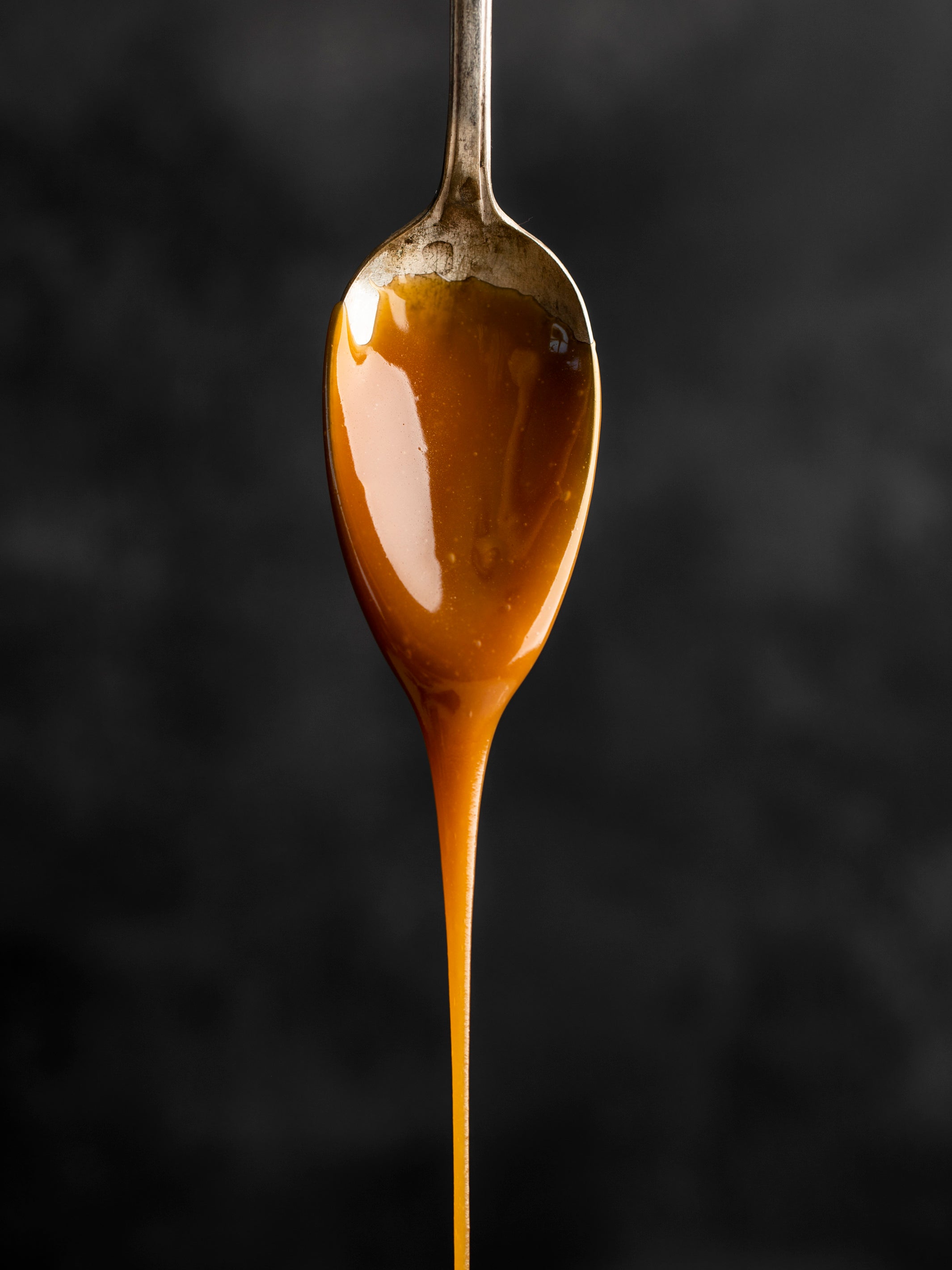
- Chewy confections (caramels, toffees, nougats): Fats, dairy, and syrups are slow-cooked with sugar to create soft, melt-in-your-mouth textures
- Gummies and jellies (gummy bears, jelly beans): Gelatin or pectin gives them a springy, elastic bite
- Fondants and creams (peppermint patties, chocolate fillings): Crystallized sugar beaten into smooth, silky forms
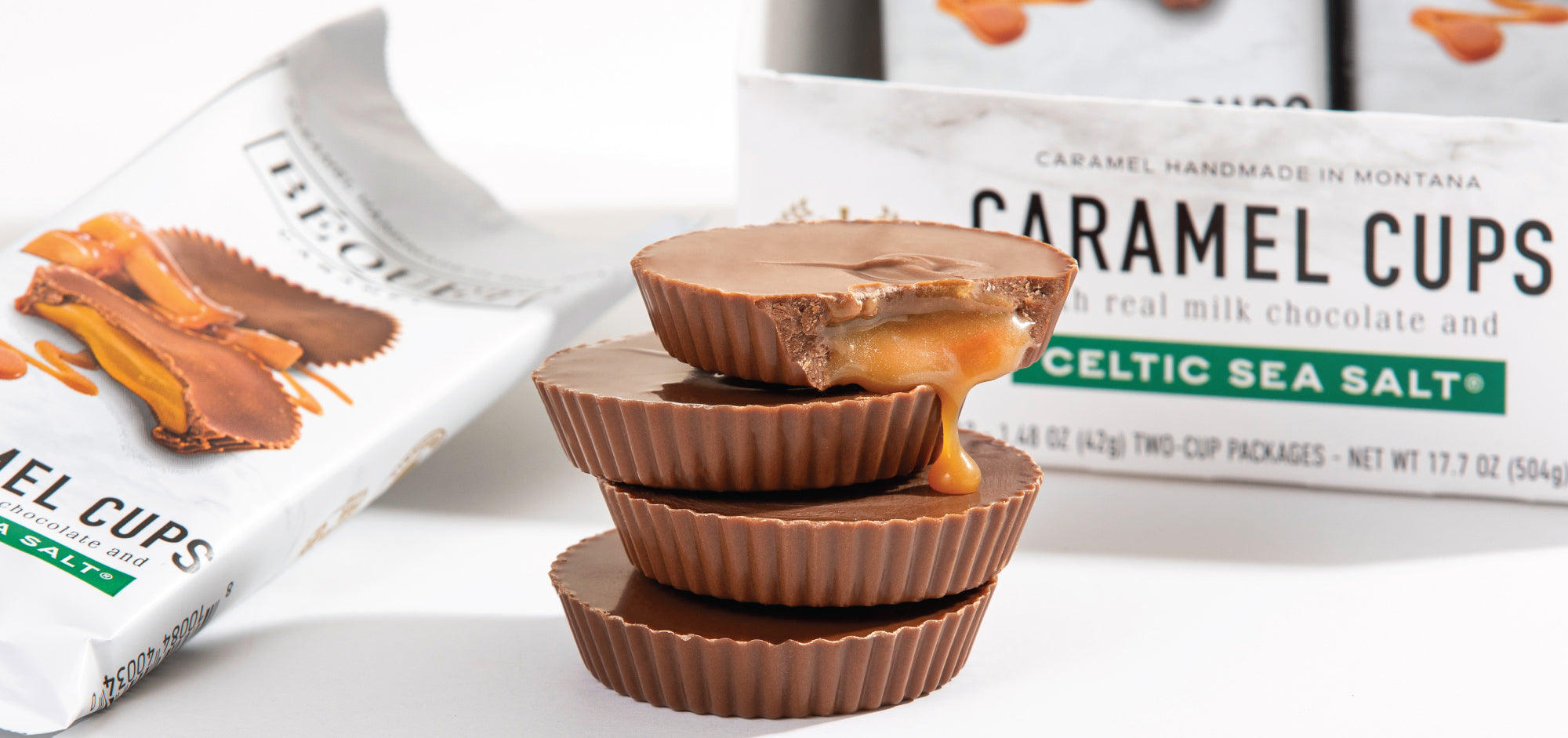
- Chocolate confections (truffles, chocolate caramel, bonbons): Cocoa-based treats, often paired with fillings or coatings
Bakers' Confections
Bakers' confections bring flour and leavening into the mix alongside sugar and fat.
- Cakes and pastries (layer cakes, éclairs, cupcakes)
- Cookies and biscuits (shortbread, macarons)
- Doughnuts and sweet breads (brioche, cinnamon rolls)
What Makes a Confection Gourmet
Not every confection earns the gourmet label. The difference comes down to ingredients, process, and the care behind each batch.
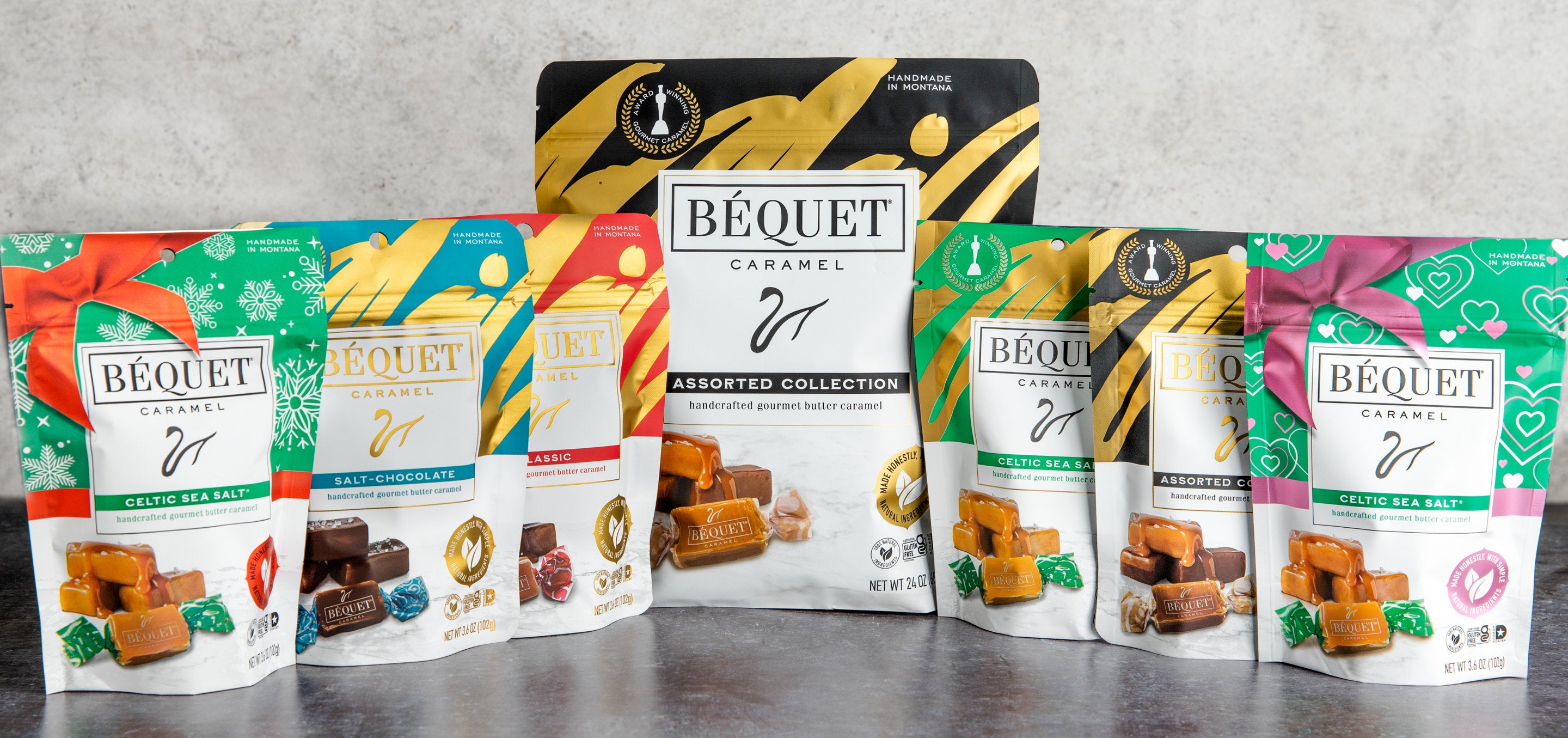
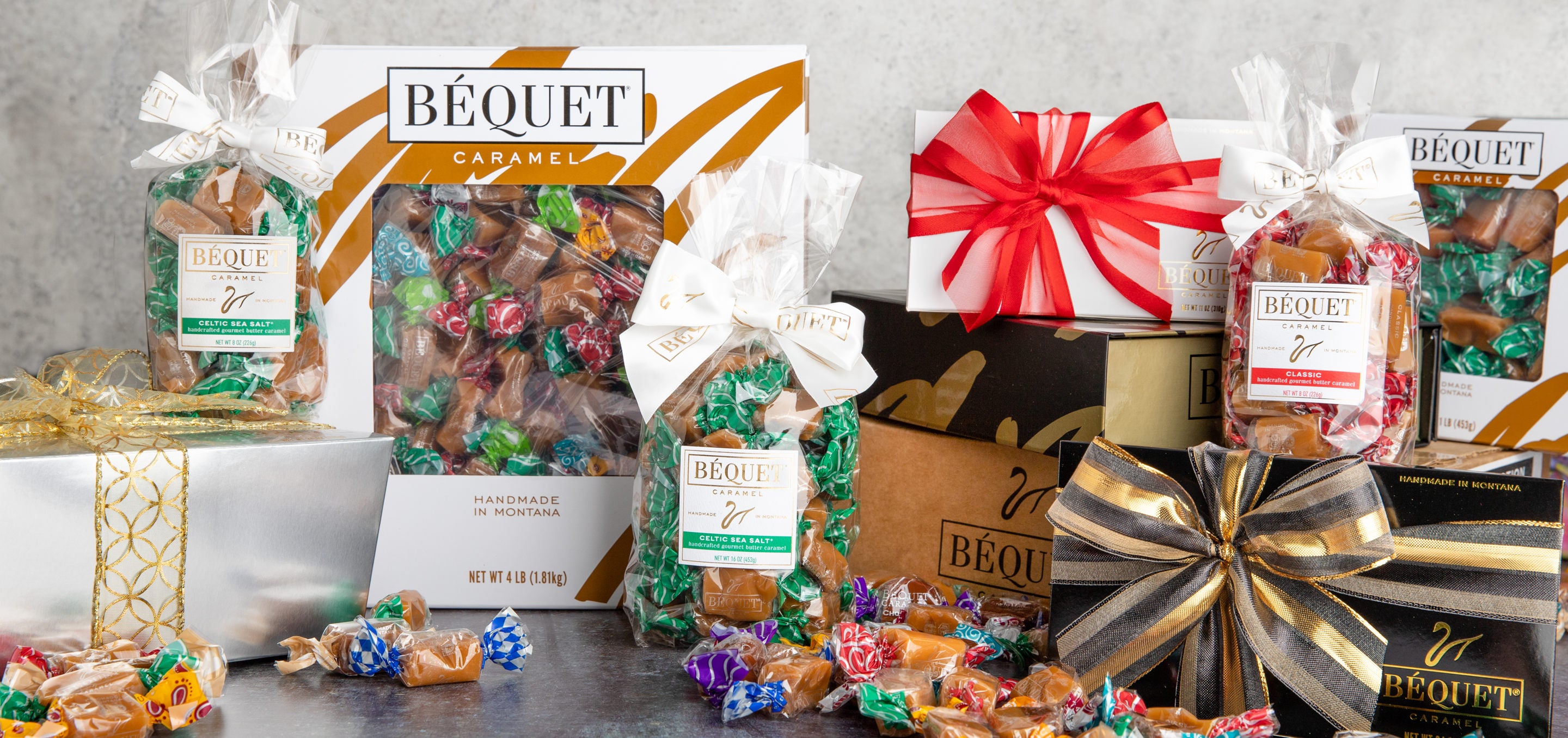
At Béquet, our slow-cooked caramel is made in Montana with all-natural ingredients, including tapioca syrup, antibiotic-free dairy, and Celtic Sea Salt® sourced from protected coastal regions. Each small batch is carefully crafted under the eye of a master caramel chef, and that precision is why Béquet has earned 12 national awards.
Gourmet confections prioritize quality over speed, and you can taste the difference in every piece.
Frequently Asked Questions
1. Is caramel a confection or a candy?
Caramel is both. As a sugar-based sweet, caramel fits the broader confection category. And because traditional caramel is made from sugar, dairy, and butter, it also qualifies as candy. The quality of ingredients and the cooking method are what separate a gourmet confection from a mass-produced candy.
2. Are chocolates considered confections?
Yes. Chocolates are a well-known subcategory of sugar confections. Whether solid, filled with caramel, or combined with nuts and creams, chocolate-based treats fall under the confection umbrella.
3. What is the difference between sweets and confections?
Sweets is an informal, everyday term for anything sugary. "Confections" is the formal classification. In practice, both words describe the same family of foods, though "confection" signals a higher standard of craft and intention behind the recipe.
4. What is the difference between a confection and a dessert?
A dessert is any sweet course served at the end of a meal, while a confection is defined by its primary ingredient being sugar. Most desserts are confections, but not all confections are desserts. A piece of gourmet caramel enjoyed mid-afternoon is a confection, even though nobody would call it dessert.
5. Why is caramel considered a gourmet confection?
Caramel earns gourmet status when the ingredients and process go beyond the basics. Mass-produced versions rely on artificial flavors and shortcuts. A slow-cooked caramel made with all-natural ingredients like tapioca syrup, antibiotic-free dairy, and Celtic Sea Salt® reflects the kind of care and precision that separates everyday candy from something worth savoring.