

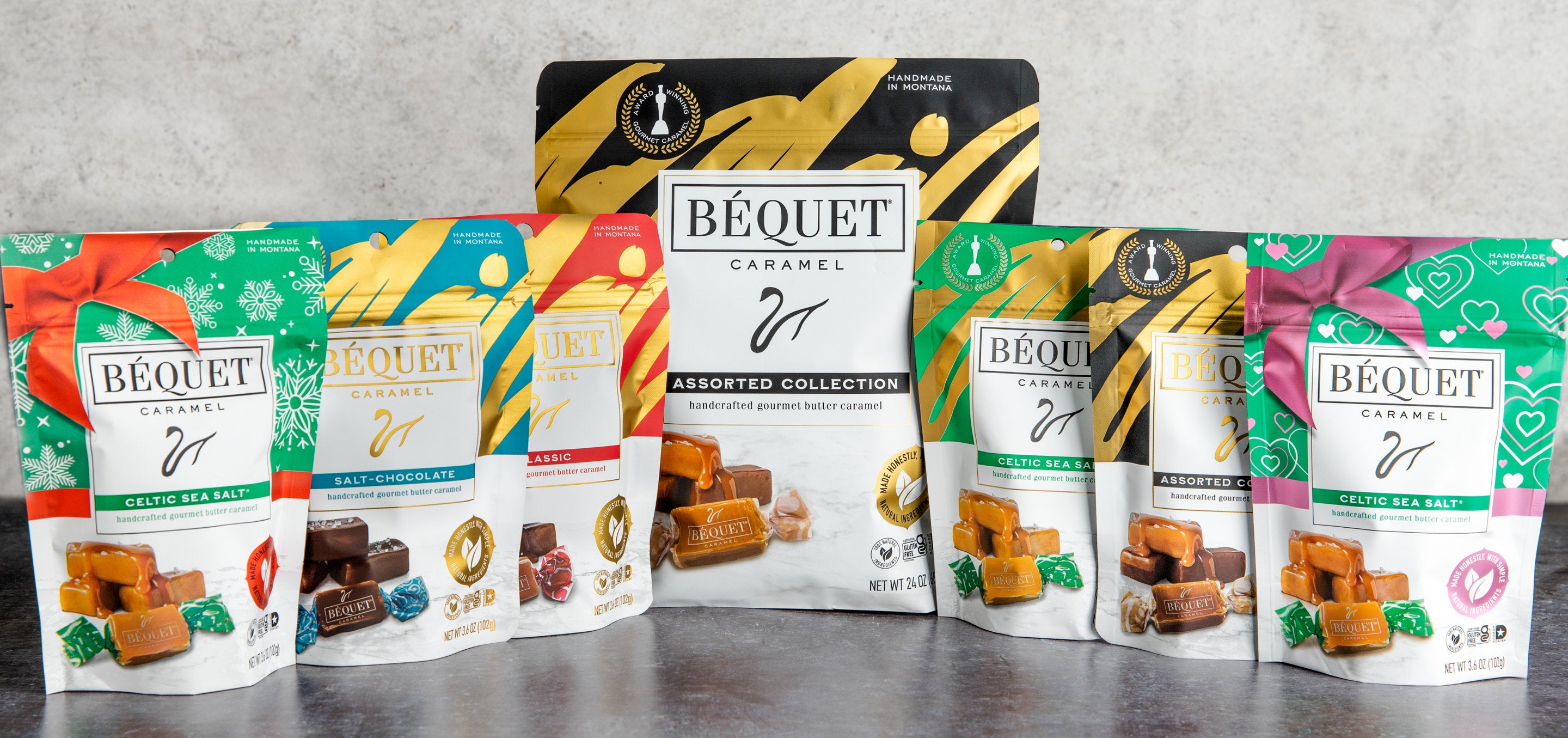


Gourmet caramel differs from regular candy in three measurable ways: ingredient quality, production method, and flavor outcome. Mass-produced caramels are built around corn syrup, powdered milk solids, and artificial flavoring - ingredients chosen for shelf stability and cost, not taste. Gourmet caramels replace all of that with real butter, fresh cream, natural sugars, and clean flavorings that produce a softer texture and a more complex, lingering flavor.
At Béquet, every piece is slow-cooked in Montana using all-natural ingredients, tapioca syrup, antibiotic-free dairy, and pure brown sugar. No artificial preservatives, no hydrogenated oils, no shortcuts. The result is a caramel that melts cleanly, layers flavor rather than delivering one flat note of sweetness, and earns its premium label through process and sourcing - not packaging. For anyone comparing options, the ingredient list tells the story before the first bite: fewer ingredients, recognizable names, and a production method you can actually describe.
Most candy is engineered for sweetness that fades fast. Gourmet caramels are built for flavor that lingers.
If you've ever wondered why a single piece of small-batch caramel can outshine an entire bag of generic grocery store sweets, the answer comes down to a few differences that are easy to taste and hard to forget.
Ingredients Make All the Difference
The gap between premium and mass-produced caramel starts long before the cooking process, right at the ingredient list.
Real Dairy, Real Flavor
Regular candy relies heavily on corn syrup, artificial flavors, and hydrogenated oils. Premium caramels take a different path. Real butter, heavy cream, and natural sweeteners form the base, and the difference shows up in both texture and taste.
At Béquet, every batch starts with all-natural ingredients, including antibiotic-free dairy and pure brown sugar. No artificial preservatives, no shortcuts. When a caramel is made with clean ingredients, the flavor has room to be itself, buttery, creamy, and smooth without any waxy aftertaste.
What You Will or Will Not See on a Gourmet Label
A quick look at most mass-market caramel labels reveals a long list of stabilizers, colorings, and artificial flavor compounds. Gourmet caramel candy keeps the ingredient list short and recognizable.
Here's a side-by-side comparison:
|
Feature |
Mass-Produced Candy |
Gourmet Caramels |
|
Primary sweetener |
Corn syrup |
Natural sugars, tapioca syrup |
|
Dairy source |
Powdered milk solids |
Fresh cream, real butter |
|
Flavor base |
Artificial flavoring |
Pure vanilla, real cocoa, natural extracts |
|
Preservatives |
Multiple artificial additives |
None or minimal |
|
Texture |
Firm, often waxy |
Soft, melt-in-your-mouth |
|
Production scale |
Factory lines, millions of units |
Small-batch, precision-cooked |
Small-Batch Production Changes the Taste of Gourmet Caramel Candy
Production scale directly affects flavor, texture, and consistency, and smaller batches win on all three.
Slow-Cooked Precision Over Speed
Factory candy is cooked fast and in enormous quantities. Temperature control at that scale is approximate, which leads to inconsistency and flat sweetness.
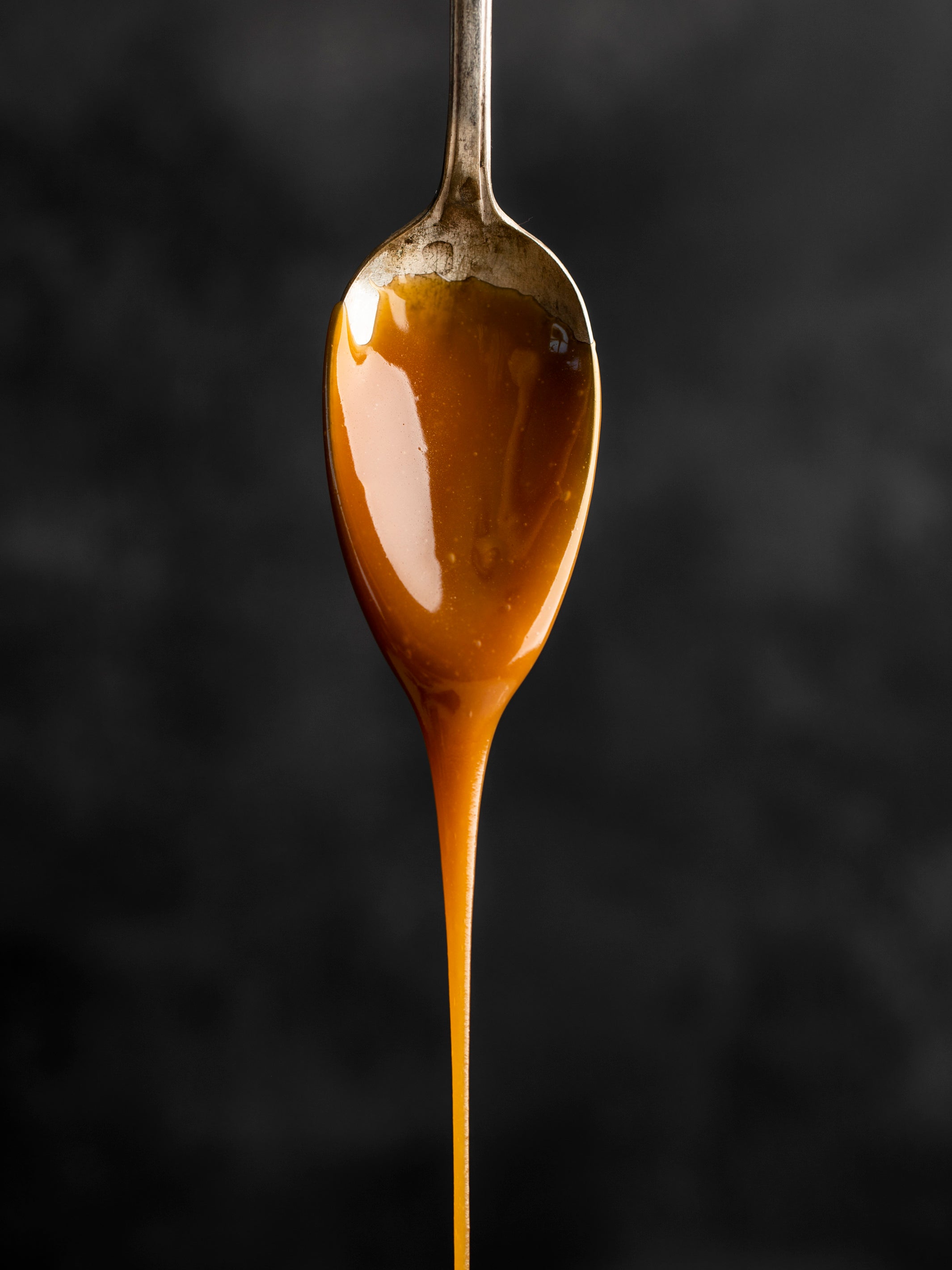
Small-batch caramels are slow-cooked to precise temperatures. Each batch gets individual attention, and the result is a texture that practically dissolves on your tongue. Béquet's award-winning caramel is cooked in Montana using methods that prioritize quality over volume, and that patience is what creates the signature buttery smoothness.

Why Batch Size Shapes Flavor Depth
When caramel cooks slowly in smaller quantities, the sugars caramelize more evenly. You get a deeper, more complex flavor profile, one with subtle toasted and nutty undertones rather than one-dimensional sweetness. A 12-time national award winner doesn't earn that recognition through shortcuts.
What Makes Premium Caramel Worth the Price
Price reflects what goes into each piece, from sourcing and technique to the complexity of the finished flavor.
Flavor Complexity You Can Actually Taste
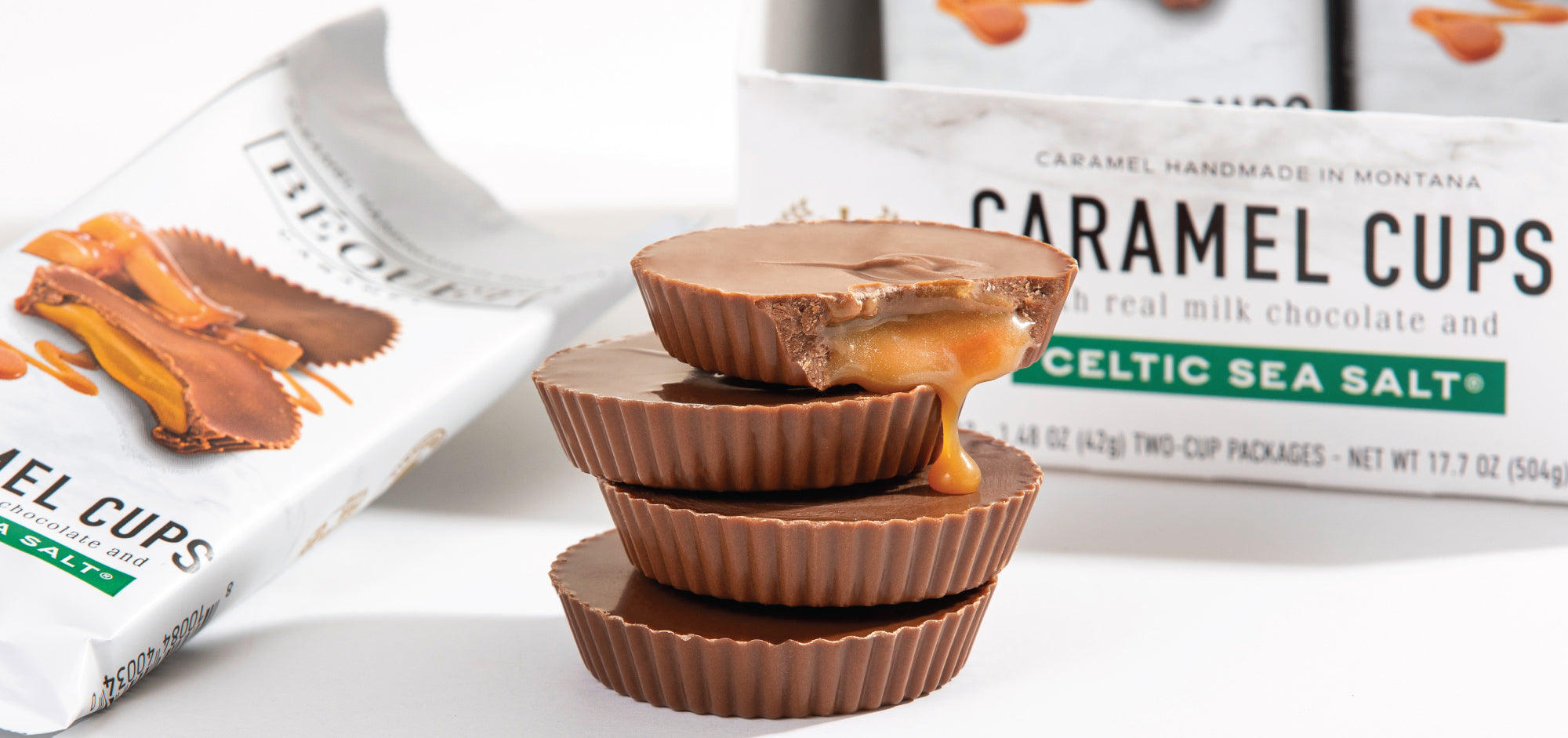
Regular candy offers one note: sweet. Premium caramels layer flavors in a way that rewards attention. A piece of salted caramel balances buttery richness against the mineral finish of hand-harvested Celtic Sea Salt®, creating a contrast that lingers well past the last bite.
Flavor pairings go far beyond vanilla and chocolate. Emerging profiles like new Dubai chocolate caramel highlight how global inspiration is shaping modern confectionery, blending rich cocoa with indulgent caramel textures for a more elevated experience.
Options like Salted Mocha blend espresso and salt chocolate into a single piece, while Chipotle caramel brings smoky heat with a jalapeño kick. Each variety proves that gourmet caramel candy is about intention, not just indulgence.
A Texture That Speaks for Itself
Soft, silky, and never gritty. Premium caramels melt cleanly rather than sticking to your teeth or crumbling apart. When someone says melt-in-your-mouth, quality caramels are exactly what that phrase was made for.
How to Spot Quality When Shopping for Gourmet Caramels
Not every caramel labeled gourmet delivers on the promise. Here's what to look for:
Ingredient List Length
Fewer ingredients usually signals higher quality. Look for real butter, cream, and natural flavorings on the label. If the list reads more like a chemistry textbook than a recipe, the caramel was built for shelf life, not flavor.
Production Method
Small-batch and slow-cooked are meaningful indicators when backed by an actual process. A brand that can describe how and where each batch is made earns more credibility than one leaning on vague premium packaging.
Awards and Recognition
Verified national awards carry weight that marketing copy cannot. Béquet has earned 12, and that kind of repeated recognition reflects consistency across years of production, not a single lucky batch.
Salt Sourcing
Mineral-rich options like Celtic Sea Salt® add depth and balance to caramel in a way commodity table salt simply cannot. Hand-harvested salts bring trace minerals and subtle complexity that round out the sweetness.
Texture on First Bite
A quality caramel should feel smooth and soft, never chalky or overly firm. The chew should give way gently, with a clean melt that coats the palate rather than clinging to your teeth.
For anyone building a caramel gift box or simply stocking up on something worth savoring, these details separate a genuinely premium product from one that only looks the part.
The Sweet Standard
Good caramel doesn't need a long sales pitch. Quality ingredients, careful technique, and a commitment to small-batch precision tell the story on their own.
Once you've tasted the difference between mass-produced candy and something slow-cooked with real butter, cream, and Celtic Sea Salt®, the bar moves permanently. Some standards, once raised, simply refuse to come back down.
Frequently Asked Questions
1. What are gourmet caramels made of?
Quality caramels are made with all-natural ingredients like real butter, heavy cream, pure sugar, and natural flavorings. Béquet uses antibiotic-free dairy and tapioca syrup as a natural sweetener.
2. Are small-batch caramels gluten-free?
Many are. Béquet caramels are Certified Gluten Free. Always check labels for specific dietary needs.
3. Why do small-batch caramels taste better?
Smaller batches allow precise temperature control during cooking, which creates a smoother texture and deeper, more complex flavor. Mass production sacrifices that level of care for speed and volume.
4. Where can I buy quality gourmet caramel candy?
Béquet caramels are available in over 2,600 specialty and gourmet shops nationwide, or you can shop the full collection online. Gift options are available for every occasion.
5. How should gourmet caramels be stored?
Keep caramels in a cool, dry place away from direct sunlight. Moderate room temperature preserves the soft, melt-in-your-mouth texture best. Avoid refrigeration, as cold temperatures can make them overly firm.
6. Are gourmet caramels a good gift option?
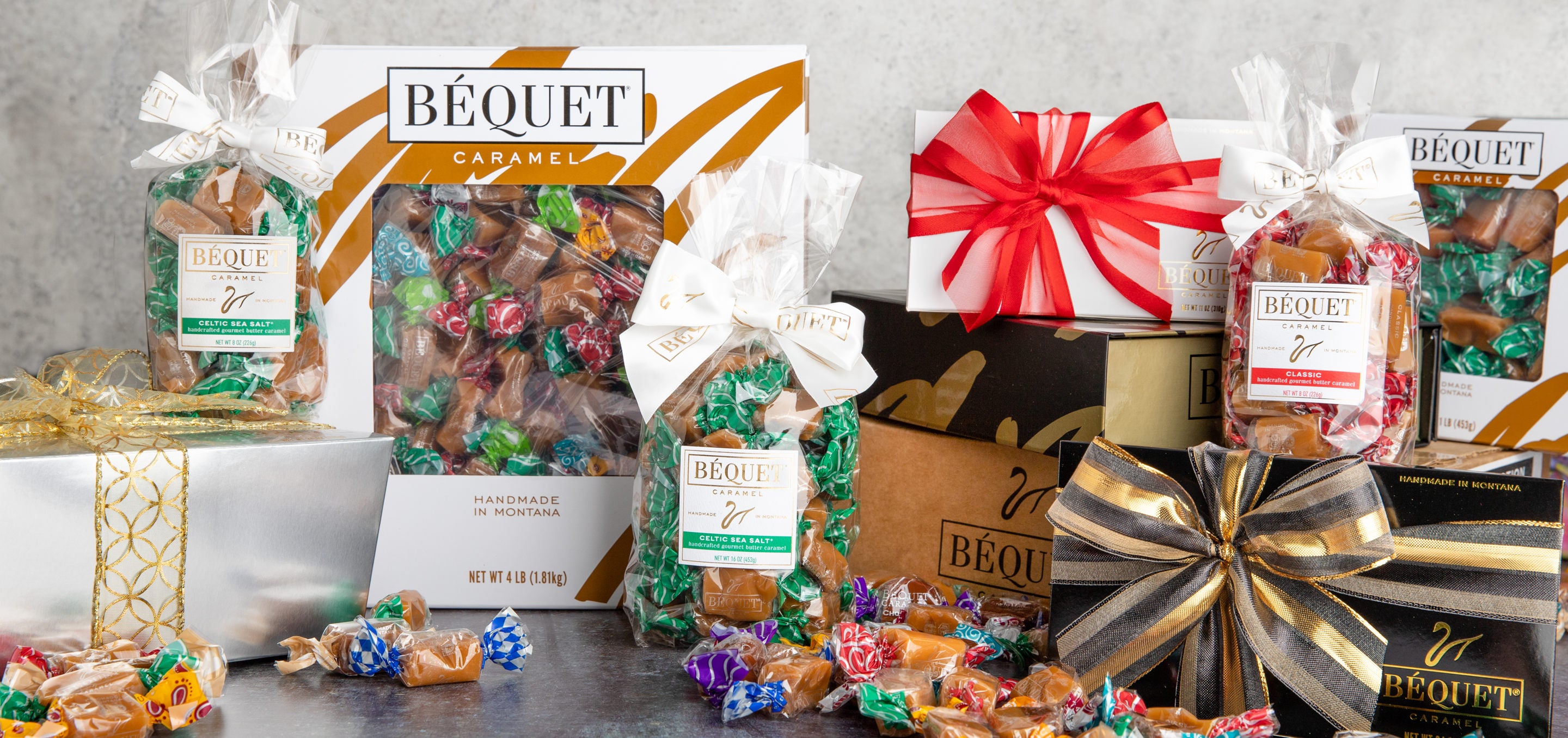
Absolutely. Premium caramels pair well with any occasion, from corporate gifting to birthdays and holidays. Béquet offers a range of gift boxes in multiple sizes, making them easy to personalize.
7. Why is antibiotic-free dairy used in gourmet caramels?
Antibiotic-free dairy reflects clean sourcing that carries through to flavor. Milk and cream from antibiotic-free sources have a fresher taste profile, and using them signals that ingredient quality, not cost-cutting, drives production decisions at Béquet.
8. What are the benefits of caramels made with natural ingredients?
Natural ingredients produce cleaner flavor, better texture, and a shorter ingredient list free from artificial preservatives. Real butter and cream create a richer melt. Natural sweeteners like tapioca syrup and pure brown sugar add depth without the flat sweetness of corn syrup.