




Pralines and caramel are two of the most beloved confections in the world, yet they often get lumped together as though they were interchangeable.Both begin with cooked sugar and require careful attention to temperature and technique. And both deliver a rich sweetness that has kept people coming back for generations. But the similarities end there.
The distinction between pralines and caramel runs deeper than flavor alone. Typically nut-free unless nuts are added; Béquet’s facility claim should be stated separately. Caramel, on the other hand, is smooth, creamy, and defined entirely by how sugar and dairy interact under heat. Understanding the difference sharpens your appreciation for both and makes it easier to choose the right treat for any occasion.
Where Pralines and Caramel Come From
Pralines trace their origins to 17th-century France, where a cook in the household of Marshal du Plessis-Praslin created sugar-coated almonds as a digestive treat. The confection eventually traveled to Louisiana with French settlers, and the recipe shifted dramatically along the way. Southern pralines swapped almonds for locally abundant pecans and introduced cream and butter into the mixture, producing a softer, richer candy that became a signature of New Orleans confectionery.
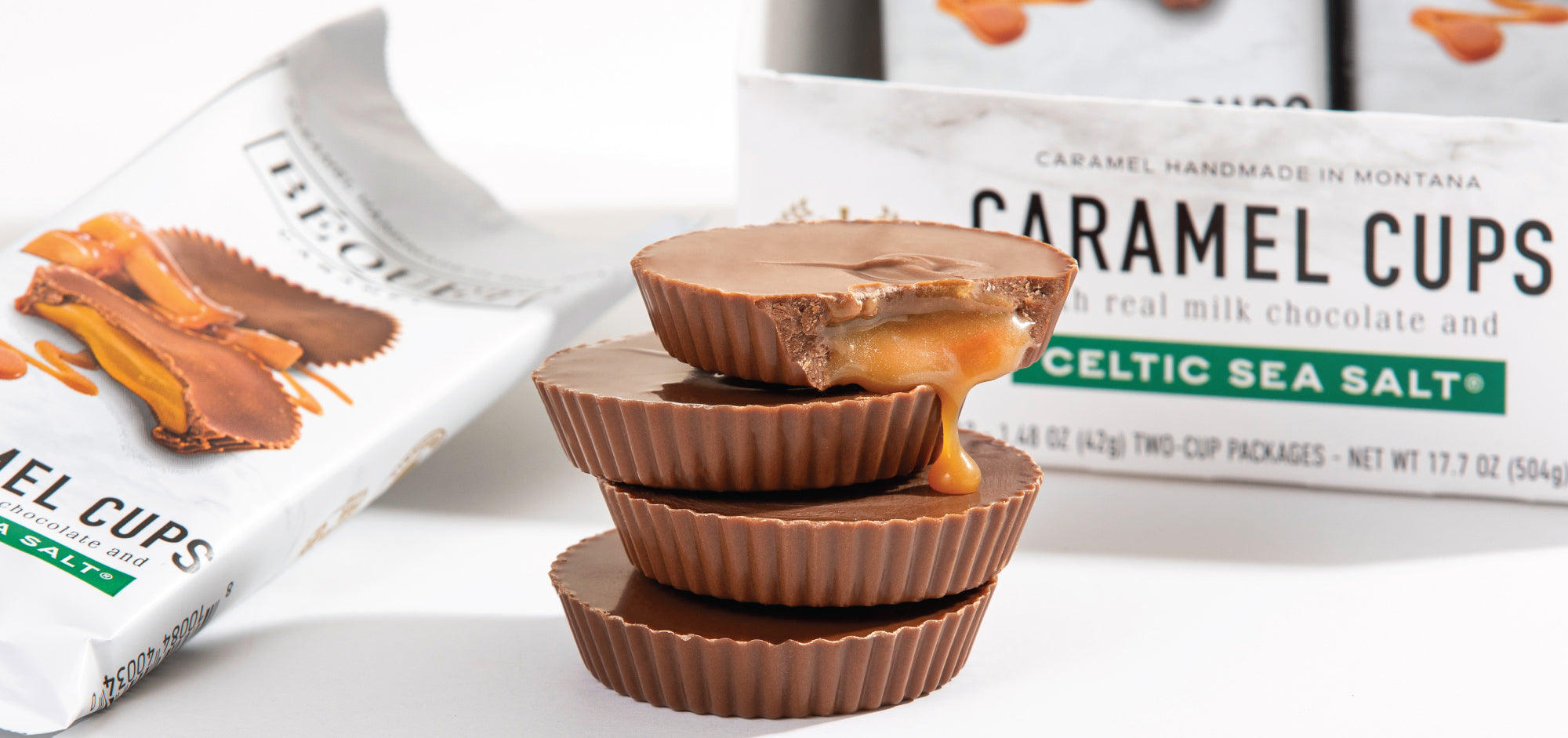
Caramel's roots are harder to pin to a single origin, but the process of heating sugar with dairy to create a smooth, chewy candy has been practiced across Europe for centuries. What separates modern gourmet caramel from its earlier versions is the attention paid to ingredient quality and cooking technique. At Béquet, for example, caramel is slow-cooked in small batches in Montana using tapioca syrup, antibiotic-free dairy, and pure brown sugar, a process that has earned 12 national awards and set a standard for what all-natural caramel can be.
How the Ingredients and Process Differ
The ingredient lists for pralines and caramel overlap on paper but diverge in practice.
Praline candy starts with sugar (often brown), butter, and cream, then folds in whole or chopped pecans before being dropped onto parchment in spoonfuls. The mixture is cooked to the soft-ball stage and stirred vigorously as it cools, which causes the sugar to crystallize. That crystallization is what gives pralines their distinctive crumbly, slightly grainy texture. Every bite is pecan-forward, sweet, and rustic.
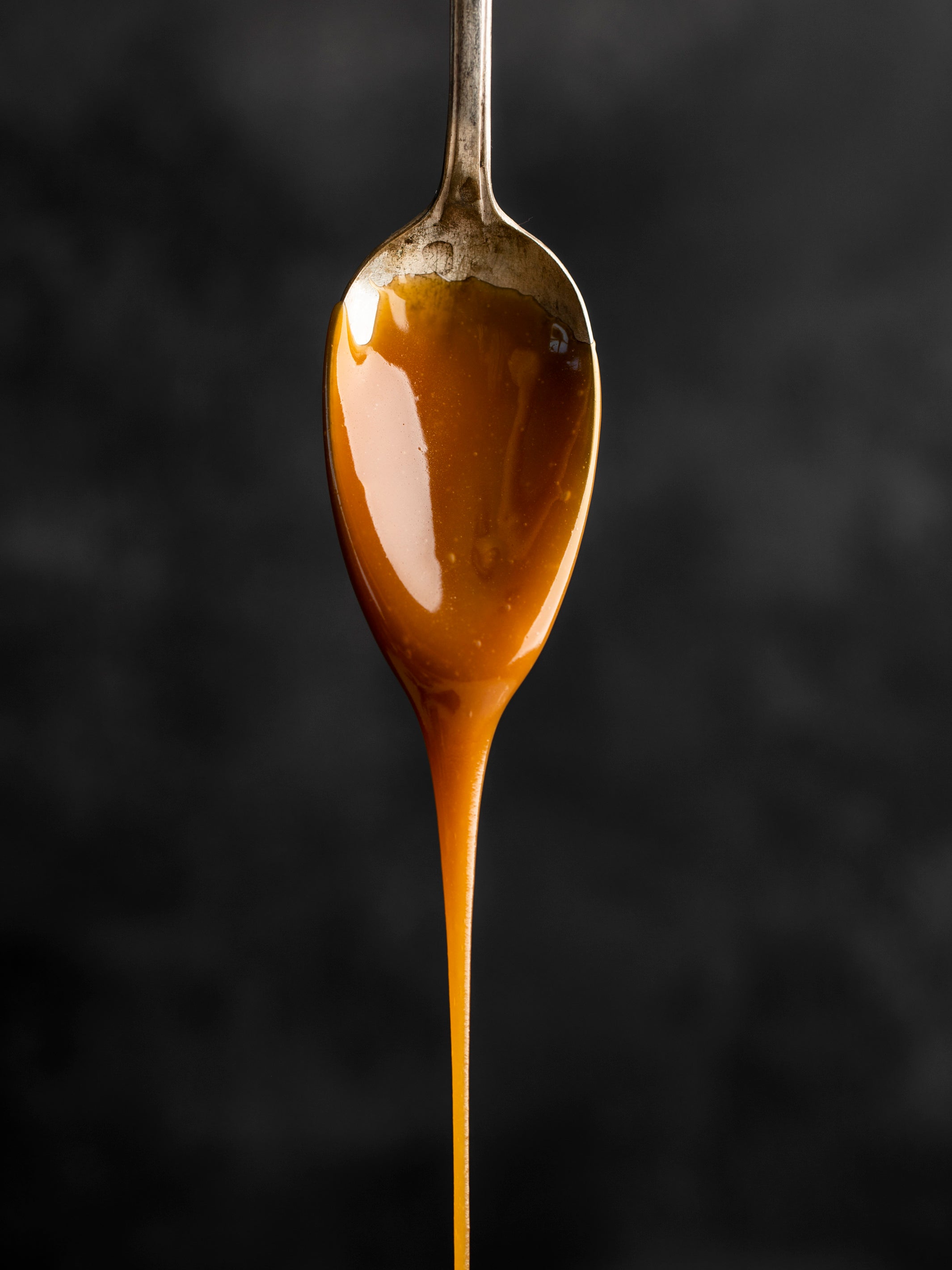
Caramel follows a different path entirely. Sugar, cream, and butter are carefully cooked as caramelization and browning reactions develop deep, complex flavors. Rather than crystallizing, the mixture stays smooth, producing a soft, chewy confection that melts on the tongue. Varieties like Celtic Sea Salt® caramel add hand-harvested salt to brighten the buttery sweetness, while Salt-Chocolate layers cocoa over that smooth base for added depth.
Praline vs Caramel at a Glance
|
Feature |
Praline |
Caramel |
|
Key Ingredients |
Sugar, butter, cream, pecans, or almonds |
Sugar, dairy, butter, cream, vanilla |
|
Texture |
Crumbly, grainy, sometimes brittle |
Smooth, soft, chewy, melts slowly |
|
Nut Content |
Always includes nuts |
Nut-free (Béquet is made in a nut-free facility) |
|
Flavor Profile |
Pecan-forward, toasted, rustic sweetness |
Buttery, layered, complex |
|
Origin |
17th-century France, refined in New Orleans |
European confectionery tradition |
|
Cooking Technique |
Stirred to encourage crystallization |
Slow-cooked to prevent crystallization |
|
Allergen Consideration |
Contains tree nuts |
Dairy-based; certified gluten-free options available |
Why the Type of Caramel You Choose Matters
Among caramel candy types, the range is wider than most people expect. Soft caramel, hard caramel, salted caramel, chocolate caramel, and caramel sauce each deliver a different experience, all from the same foundational process of cooking sugar with dairy. Pralines, for all their charm, occupy a narrower lane. The pecan-and-sugar formula allows for variation in sweetness and texture, but the flavor profile stays rooted in that single nutty note.
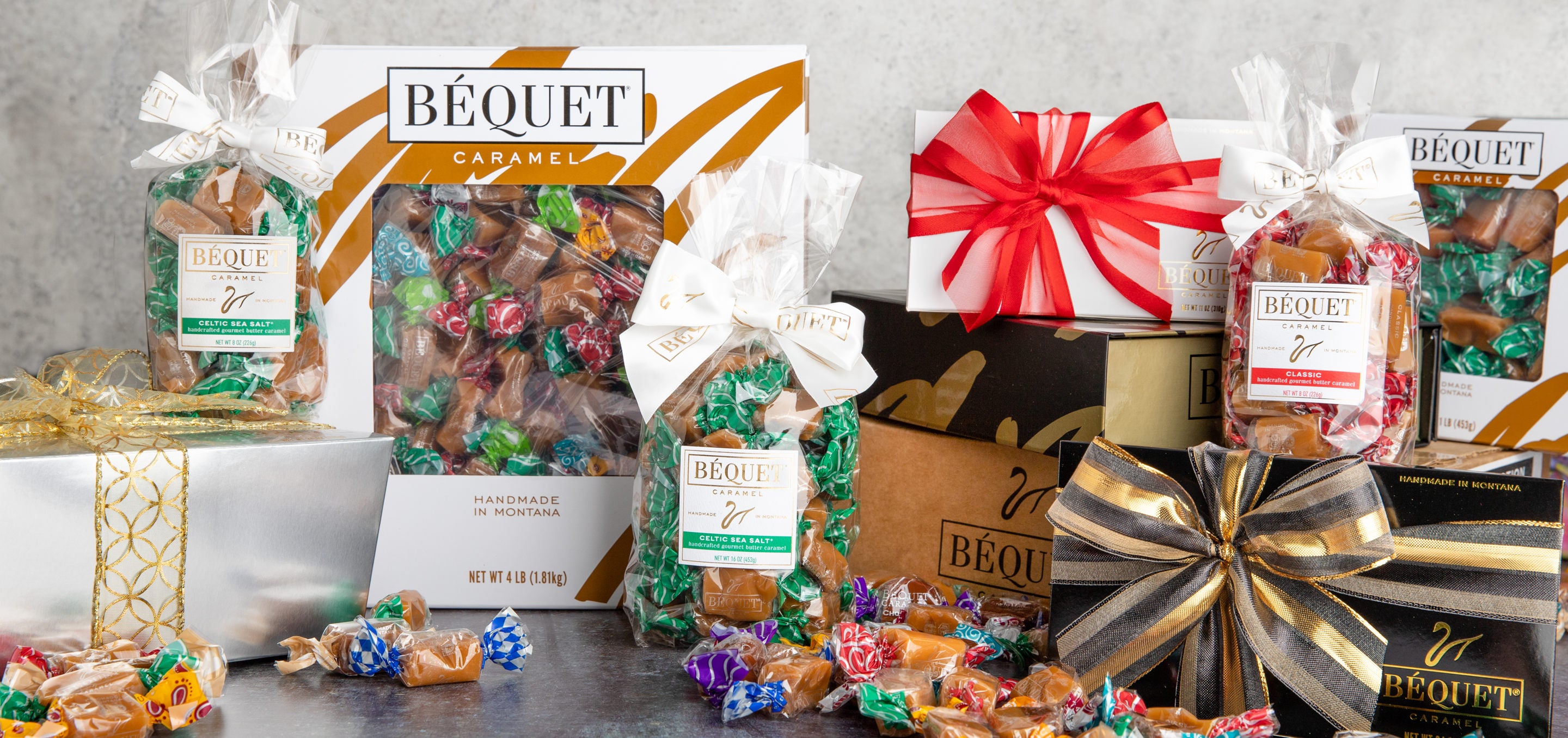
Caramel's versatility is one of its greatest strengths. Classic Vanilla offers warm, buttery simplicity. Butterscotch deepens the brown sugar notes. And something like Chocolat à l'Orange pairs citrus brightness with dark chocolate over a caramel base, creating a layered experience that pralines simply cannot replicate. A Gift Bag with a mix of varieties is one of the easiest ways to taste that range for yourself. Every Béquet variety is certified gluten-free and made in a nut-free facility, offering confidence for those with common dietary concerns.

A Matter of Taste and Tradition
Both confections deserve respect. Pralines carry the warmth of Southern hospitality and the crunch of toasted pecans. Caramel offers smoothness, depth, and a canvas for flavors that range from sea salt to espresso to citrus-chocolate. When the question is praline vs caramel, the answer depends on what you are looking for: a rustic, nutty bite or a refined, buttery melt. For the latter, a Ballotin Box of slow-cooked caramel is a good place to start.
Curious which side of the comparison wins your palate? Browse Béquet's full collection of award-winning gourmet caramel and taste what slow-cooked, all-natural ingredients can do.
Frequently Asked Questions
Are pralines a type of caramel?
Not exactly. Pralines and caramel both use cooked sugar, butter, and cream, but pralines always include nuts and rely on crystallization for texture. Caramel stays smooth and nut-free, with its flavor built through slow cooking and the Maillard reaction.
Do pralines contain gluten or nuts?
Traditional pralines always contain tree nuts, typically pecans or almonds. Most are naturally gluten-free, but recipes vary. Caramel made by Béquet is Certified Gluten Free. Béquet products are also made in a nut-free facility; consumers with severe allergies should review the product label and approved allergen information.
Which is better for gifting, pralines or caramel?
Both make thoughtful gifts. Pralines suit occasions with a Southern or rustic theme. Caramel offers broader appeal and more variety, especially when available in multiple flavors and polished packaging like a Custom Assortment.
Can you use caramel and pralines together in desserts?
Absolutely. Crushed pralines sprinkled over a caramel sundae, or a praline crumble paired with caramel sauce, creates a contrast of textures that works beautifully. The crunch of the praline against smooth, creamy caramel makes each element stand out.
What is the difference between French pralines and American pralines?
French pralines are whole almonds or hazelnuts coated in caramelized sugar, often ground into a paste used in pastries and chocolates. American pralines, developed in Louisiana, use pecans with brown sugar, cream, and butter to create a softer, crumblier candy with a distinctly Southern character.