



Crème caramel, flan, and crème brûlée all begin with the same foundation: eggs, sugar, and dairy, cooked low and slow until silken. Yet each one delivers a completely different experience on the plate. The differences come down to ingredients, texture, cooking method, and presentation.
Whether you are settling a crème caramel vs flan debate or weighing flan vs creme brulee for your next dinner party, knowing what separates each custard makes the choice simple.
Crème Caramel vs Flan vs Crème Brûlée (Quick Comparison)
- Crème caramel: Light, delicate custard with a soft caramel sauce, inverted before serving
- Flan: Denser, sweeter custard often made with condensed milk, also served with caramel sauce
- Crème brûlée: Rich custard topped with a hard, torched sugar crust, served in a ramekin
What Makes Crème Caramel, Flan, and Crème Brûlée Different
All three desserts belong to the baked custard family, but the details set them apart. Each uses a slightly different ratio of dairy, eggs, and sugar, and the way each is finished gives it a personality all its own.
The French Classic
Crème caramel is a French custard made with whole milk or cream, eggs, sugar, and vanilla. After baking in a water bath, the ramekin is inverted onto a plate, releasing a layer of liquid caramel sauce over the top. The texture is delicate and barely set, with a clean sweetness that lets the vanilla shine.
Latin American Comfort
Flan follows a similar concept but often incorporates condensed milk, evaporated milk, or cream cheese alongside eggs. Mexican flan tends to be sweeter and denser than its French counterpart. Spanish flan keeps things simpler, while Filipino leche flan uses egg yolks for a richer, firmer result.
The Torched Showstopper
Crème brûlée swaps the soft caramel topping for a hard, crackly sugar crust created with a kitchen torch. The custard base relies on heavy cream and egg yolks, producing a more decadent texture. Served in the ramekin rather than inverted, crème brûlée is as much about the drama of cracking that sugar shell as the custard beneath.
Ingredients and Texture Compared
A side-by-side look at what goes into each custard reveals where the real differences live.
|
Feature |
Crème Caramel |
Flan |
Crème Brûlée |
|
Primary Dairy |
Whole milk or cream |
Condensed and evaporated milk |
Heavy cream |
|
Eggs |
Whole eggs and yolks |
Whole eggs and yolks |
Egg yolks only |
|
Topping |
Soft liquid caramel |
Soft liquid caramel |
Hard torched sugar crust |
|
Texture |
Light and silken |
Dense and creamy |
Rich and velvety |
|
Serving Style |
Inverted from ramekin |
Inverted from mold |
Served in ramekin |
When comparing creme brulee vs flan, the most obvious distinction is the topping. Flan offers a glossy pour of caramel sauce, while crème brûlée delivers that satisfying crack when a spoon breaks through the sugar shell.

How Cooking Methods Shape Each Dessert
All three custards bake in a bain-marie, a water bath that distributes gentle, even heat and prevents curdling. The shared technique gives each dessert its signature smoothness.
Crème caramel and flan both require lining the mold with caramelized sugar before pouring in the custard. Once baked and chilled, the dessert is flipped, and the caramel pools beautifully over the top.
Crème brûlée skips the caramel lining entirely. Instead, granulated sugar is sprinkled over the chilled custard and torched just before serving, creating a warm contrast against the cool, creamy base.
Why Caramel Connects All Three Custards
Caramel is the common thread running through all three desserts. The way sugar transforms under steady heat, shifting from pale crystals to deep amber, is the same process that gives each custard its character.
For anyone who appreciates that interplay of smooth custard and warm caramel flavor, a piece of small-batch caramel candy captures a similar magic in a completely different form.
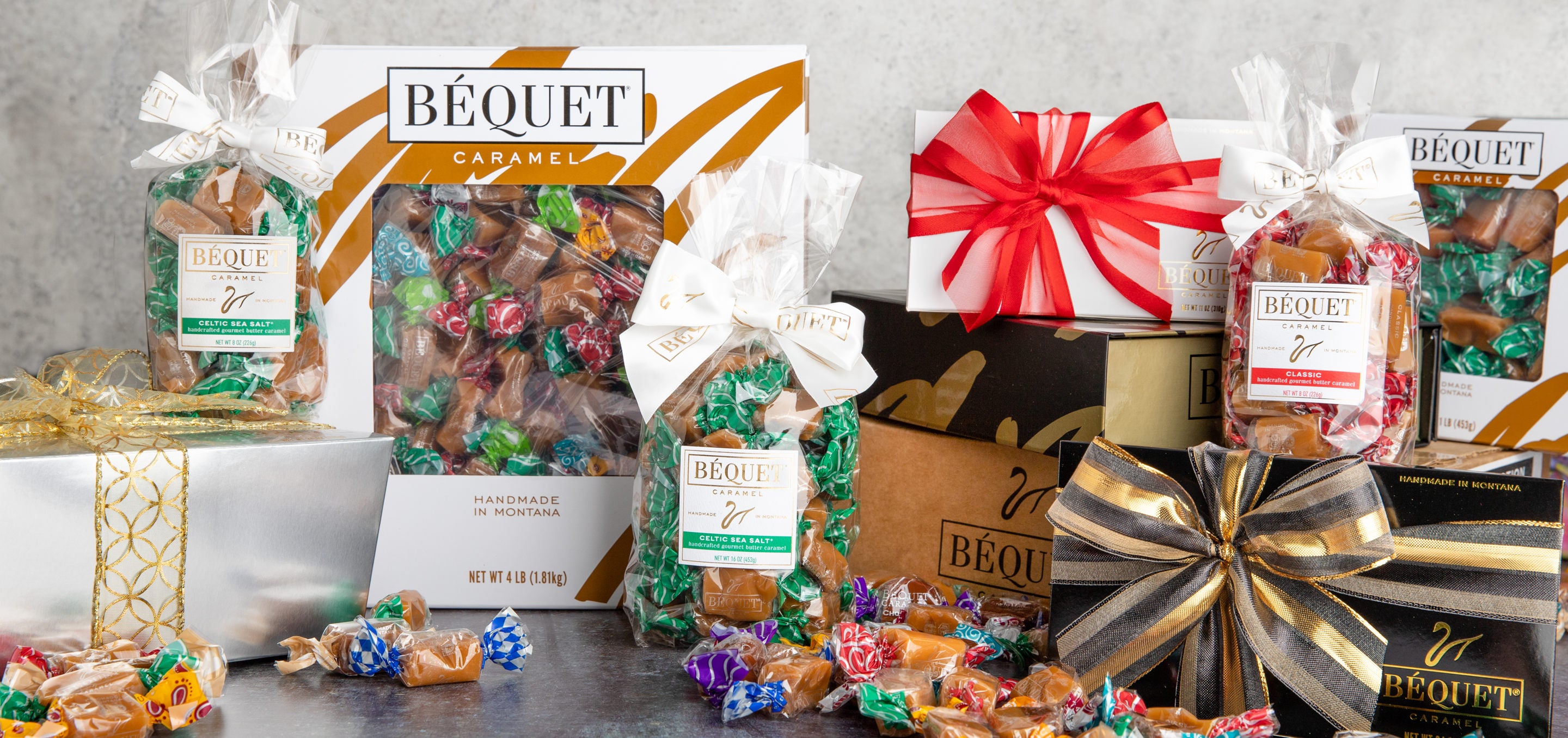
Béquet Confections builds on that same principle, slow-cooking all-natural ingredients in Montana to create soft, buttery caramel with real depth. A Celtic Sea Salt® caramel echoes the sweet-savory balance you get from a well-made flan, while a rich chocolate caramel brings the decadence of crème brûlée into a single bite. And for those who love the butterscotch warmth in classic flan recipes, a butterscotch caramel delivers that nostalgic comfort.
The Custard Worth Craving
Every great custard starts with the same simple act: heating sugar until it turns to caramel. From there, the path splits into three beautiful directions. Crème caramel keeps things pure and delicate. Flan leans into richness and sweetness. Crème brûlée adds drama with a torched sugar crust.
Whichever you choose, the real magic is always in the caramel.
Frequently Asked Questions
1. Is crème caramel the same as flan?
Crème caramel and flan are close cousins. Both feature baked custard with a soft caramel topping, but flan often uses condensed and evaporated milk, resulting in a denser, sweeter custard.
2. What is the main difference between flan and crème brûlée?
The biggest difference is the topping. Flan has soft, liquid caramel, while crème brûlée features a hard, torched sugar crust. Flan is also inverted for serving, and crème brûlée stays in its ramekin.
3. Which custard dessert is the richest?
Crème brûlée tends to be the richest because the base uses heavy cream and egg yolks only, creating a denser, more velvety texture than crème caramel or flan.
4. Can you make crème brûlée without a kitchen torch?
Yes. A broiler set to high works as a substitute. Place the sugar-topped custards on the top oven rack and watch closely until the sugar melts and darkens, usually within two to three minutes.
5. Why is my flan not smooth?
Overbaking is the most common cause. When custard cooks at too high a temperature or stays in the oven too long, the egg proteins tighten and create small air pockets, giving the flan a grainy or pitted texture.
6. Which dessert is easiest to make at home?
Flan is generally the most forgiving of the three. The condensed and evaporated milk base is naturally stable, and the soft caramel topping does not require the precision timing of a torched crème brûlée crust.