




Across Latin America, dulce de leche is spooned over desserts, sandwiched between cookies, and eaten straight from the jar. But what is dulce de leche, exactly? And how does it differ from the caramel most of us grew up with?
Understanding dulce de leche starts with its ingredients, its process, and its deep roots in Latin American tradition.
What Is Dulce de Leche and Where Does the Name Come From
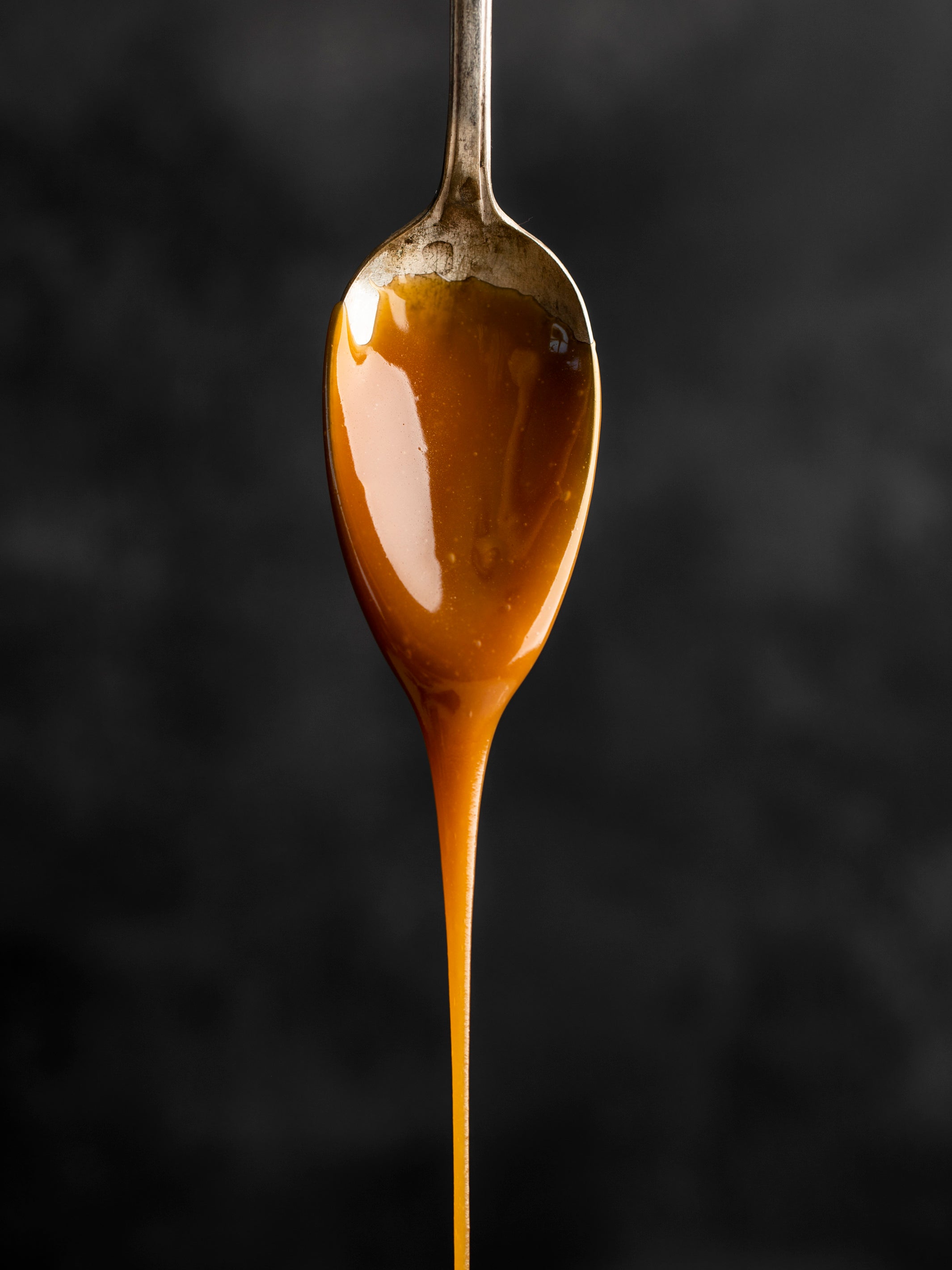
Dulce de leche is a thick caramel-like spread made by slowly heating milk and sugar until it turns golden and rich. The name literally means sweet milk in Spanish, and it is one of the most beloved desserts across Latin America.
A Confection Built on Milk and Patience
Unlike sugar-based caramel, dulce de leche gets its color and depth from the Maillard reaction between milk proteins and sugar during slow cooking. Some recipes include a pinch of baking soda to speed caramelization and prevent bitterness, while vanilla rounds out the flavor.
In Argentina and Uruguay, cow's milk is standard. In Mexico, goat's milk takes center stage in a variation called cajeta, which carries a slightly tangy profile.
The Origin Story of Dulce de Leche
No single country can claim full credit. The most popular legend comes from 19th-century Argentina, where a maid reportedly left sweetened milk on the stove too long and returned to a thick, caramelized spread. Other historians trace connections back to 16th-century Indonesia, suggesting the technique traveled through the Philippines to the Americas via Spanish colonizers.
How Dulce de Leche Is Made
The traditional method involves simmering milk and sugar over low heat for hours, stirring constantly, until the liquid reduces into a thick, glossy sauce. Many home cooks shortcut by submerging a sealed can of sweetened condensed milk in boiling water for two to three hours.
The Slow Simmer That Makes the Difference
Low, steady heat allows sugars and milk proteins to develop deep caramelized flavor without burning. Rushing produces a flat result. The best dulce de leche, much like the best slow-cooked caramel, rewards attention and care.

Dulce de Leche vs Caramel
Dulce de leche is what, if not just caramel? The two share a family resemblance, but their ingredients, methods, and flavor profiles set them apart.
|
Feature |
Dulce de Leche |
Traditional Caramel |
|
Base Ingredient |
Milk and sugar |
|
|
Color Source |
Caramelized dairy (Maillard reaction) |
Caramelized sugar |
|
Texture |
Thick, spreadable, glossy |
Ranges from thin sauce to firm candy |
|
Flavor |
Milky, rich, sweet with depth |
Buttery, toasty, varied sweetness |
|
Origin |
Latin America |
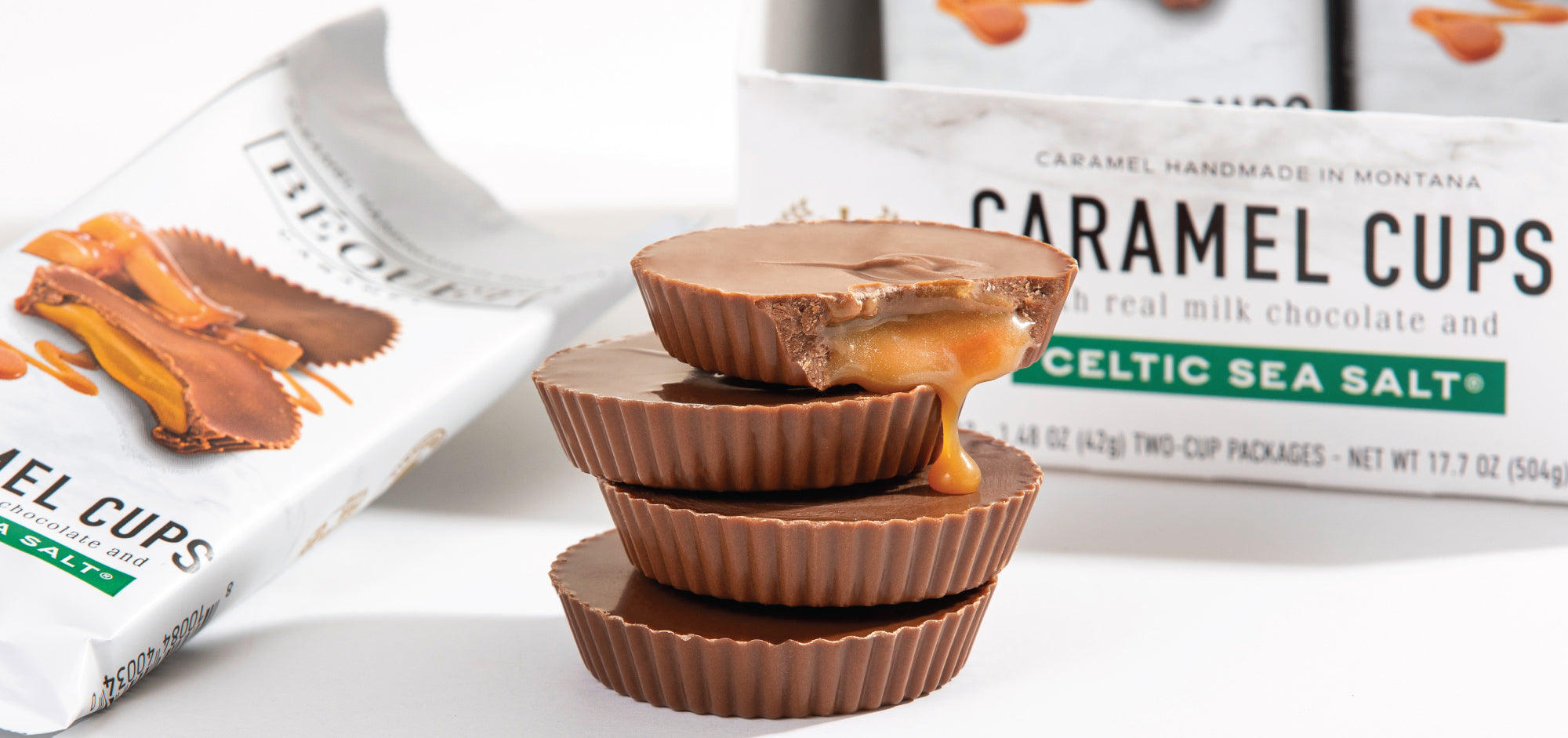
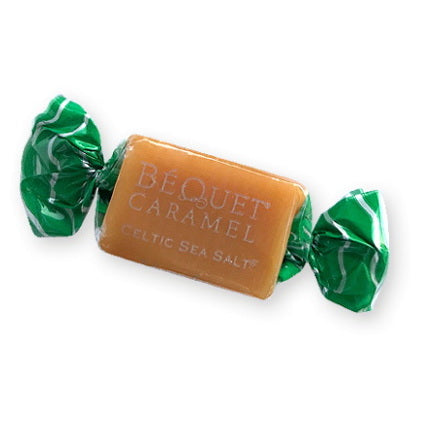
A well-made butter caramel carries its own complexity, especially when finished with Celtic Sea Salt® for a clean, balanced bite. Dulce de leche leans more on dairy richness, while caramel allows for a wider range of textures.
Dulce de Leche: What to Eat With and How to Serve
Once you have a jar of dulce de leche open, what to do with it becomes the real question.
Here are the most satisfying ways to enjoy it:
- Spread on toast or warm crepes for a rich breakfast treat
- Drizzled over ice cream or yogurt as a luscious topping
- Sandwiched between cookies to make Argentine-style alfajores
- Swirled into coffee or hot chocolate for added sweetness and body
- Layered into cakes, brownies, or cheesecake as a decadent filling
For anyone who loves the interplay of sweet, salty, and buttery flavors, pairing a piece of salted caramel candy with a spoonful of dulce de leche makes a memorable tasting moment.
Where Tradition Meets Craft
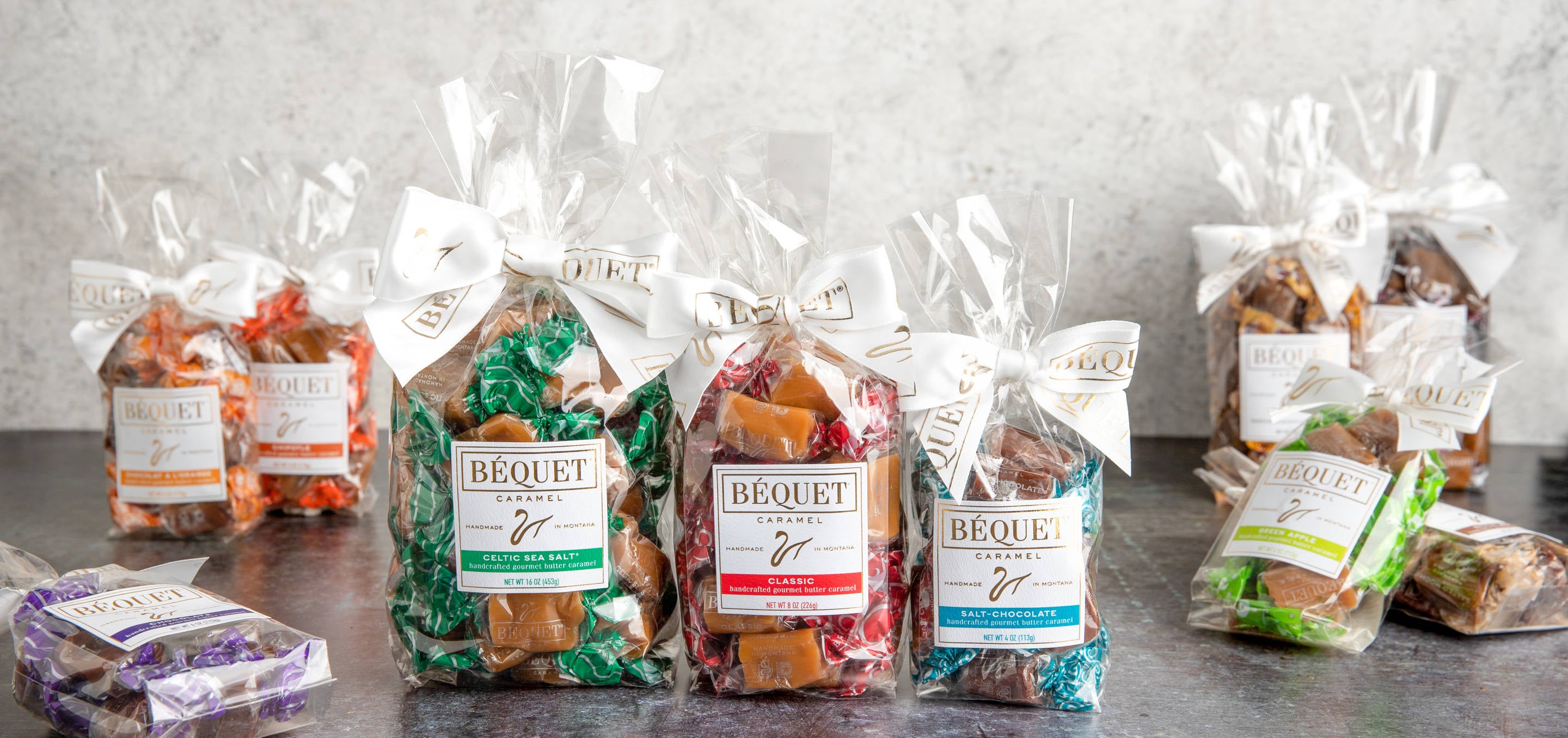
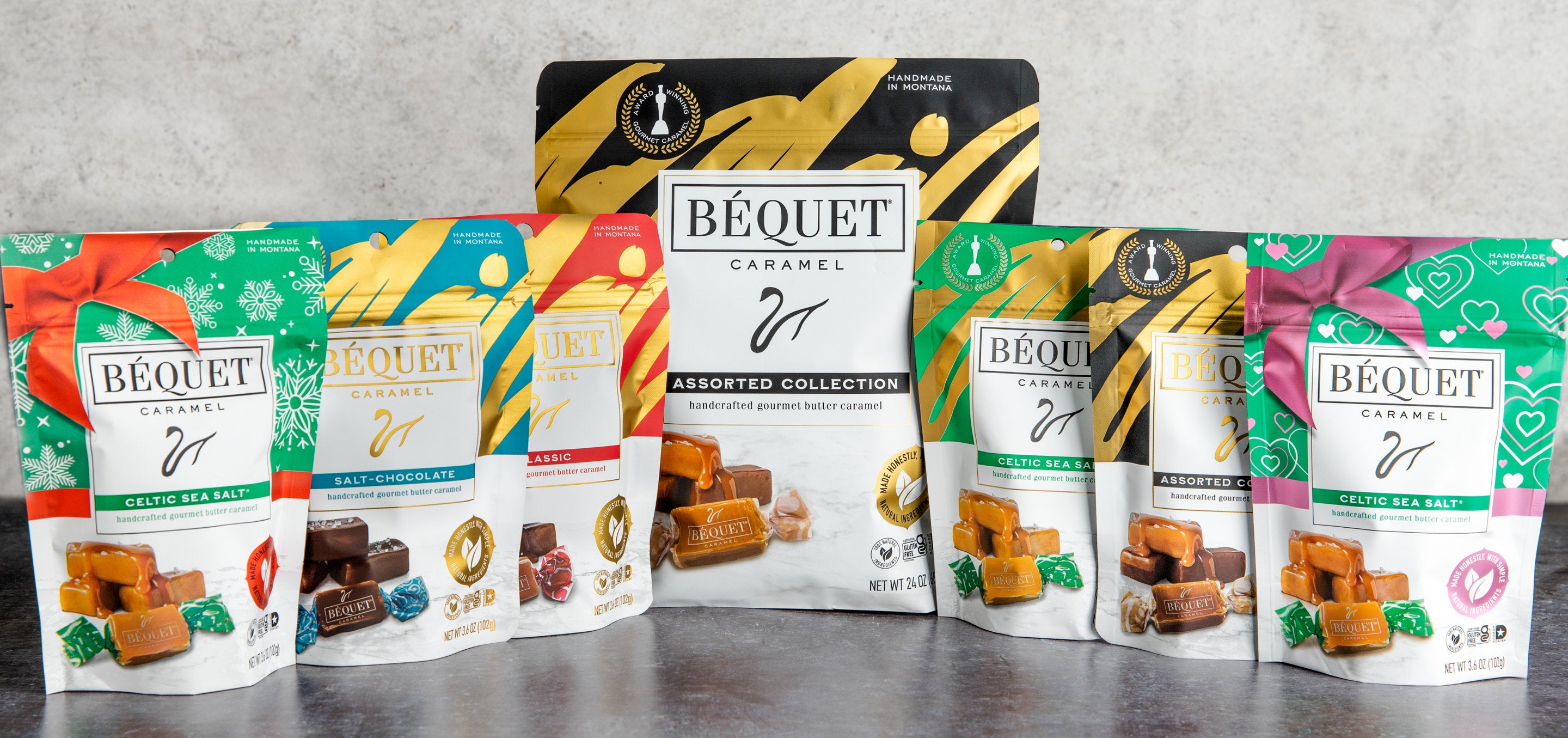
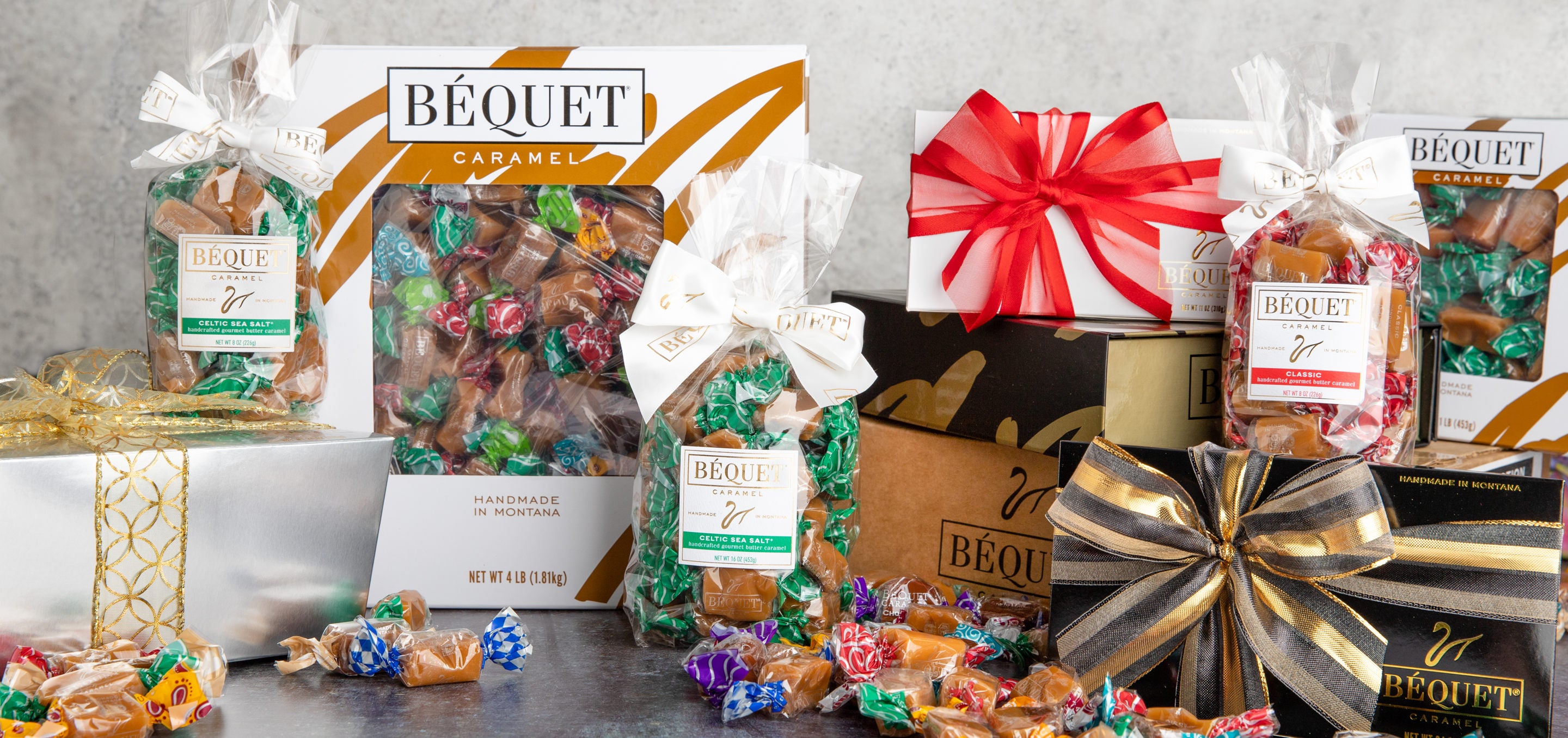
Dulce de leche and caramel both celebrate slow-cooking simple ingredients into something greater than the sum of their parts. At Béquet Confections, that principle guides every small-batch caramel we make in Montana using all-natural ingredients.
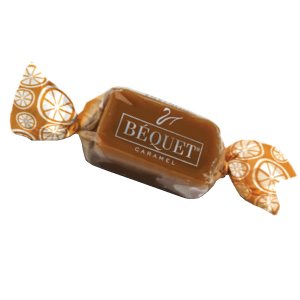
A piece of Butterscotch caramel captures that same warmth dulce de leche is known for, while our Salt-Chocolate variety adds layers of dark cocoa and Celtic Sea Salt® for a more complex finish.
For those curious about dulce de leche, what is it at its essence, the answer circles back to craft: milk, sugar, heat, and patience.
Frequently Asked Questions
1. Can you eat dulce de leche straight from the jar?
Absolutely. In Argentina and across Latin America, eating dulce de leche by the spoonful is completely normal.
2. Does dulce de leche contain gluten?
Most traditional recipes are naturally gluten-free, since the base ingredients are milk and sugar. Always check labels on store-bought versions.
3. How long does dulce de leche last once opened?
Opened dulce de leche keeps well in the refrigerator for about two to three weeks in a sealed container.
4. What is the difference between cajeta and dulce de leche?
Cajeta is a Mexican variation made with goat's milk, which gives it a slightly tangier, earthier flavor compared to traditional dulce de leche.