



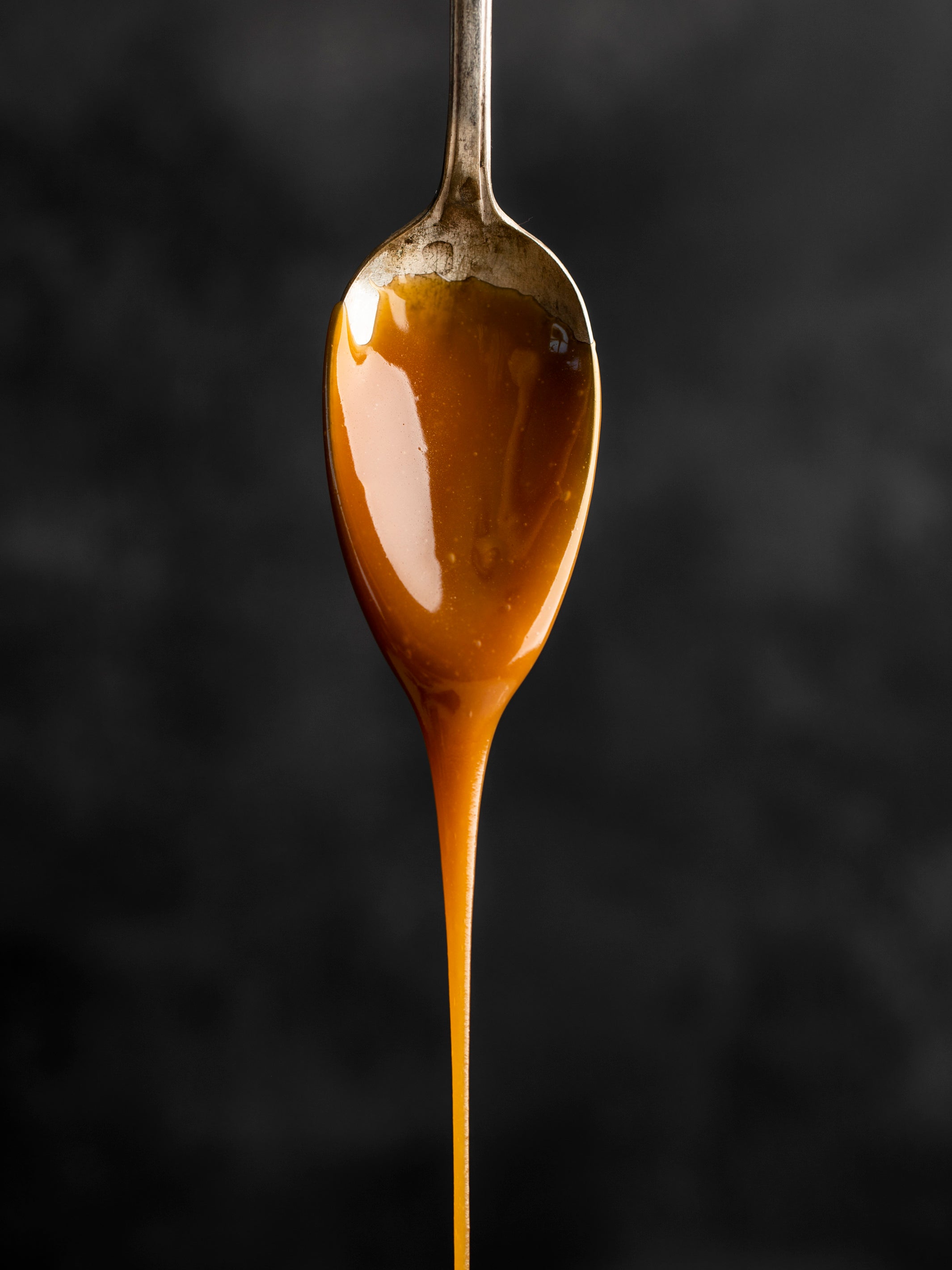



Salt chocolate is chocolate intentionally paired with sea salt to create a flavor profile that balances sweetness, bitterness, and mineral depth. The combination sharpens cocoa's natural richness while adding texture and complexity that plain chocolate cannot deliver on its own.
Anyone who has tasted salted dark chocolate and wondered why the pairing works so well will find the answer in how salt interacts with our taste buds, the quality of salt used, and the craft behind balancing two opposite flavors.
Why Sea Salt and Chocolate Belong Together
The appeal of sea salt chocolate goes beyond trend. Salt and sweetness activate different taste receptors simultaneously, and the contrast between them creates a fuller, more layered flavor experience.
More Than Just Sweet and Salty
Salt suppresses bitterness. Cocoa, especially dark chocolate, carries natural bitter compounds. A measured amount of salt tones down that sharpness, allowing the smoother, sweeter notes of the chocolate to come forward. The result feels richer without adding more sugar.
A Texture You Can Feel
Coarser salt crystals add a physical dimension that smooth chocolate alone does not offer. A slight crunch against creamy, melting chocolate engages more than just the palate. The contrast keeps every bite interesting, which is part of why gourmet caramel and salted chocolate share such a loyal following.
How Salt Affects Chocolate Flavor
Salt does not simply make chocolate salty. In small, deliberate amounts, salt acts as a flavor amplifier.
Sweetness Gets a Supporting Act
Sodium enhances the tongue's ability to detect sweetness. A piece of salted chocolate often tastes sweeter than an identical piece without salt, even though no extra sugar has been added. The salt creates the perception of depth without overpowering the cocoa.
Bitterness Steps Back
Dark chocolate lovers know that high cocoa percentages bring intensity. Salt softens the edge of that bitterness, making higher-percentage bars more approachable. For people who want bold cocoa flavor without the astringency, bar chocolate with salt offers exactly that balance.
Sea Salt vs. Table Salt in Chocolate
Not all salt performs equally in chocolate. The type of salt, crystal structure, and mineral content each affect both flavor and texture.
|
Feature |
Sea Salt |
Table Salt |
|
Crystal Size |
Larger, irregular flakes |
Fine, uniform granules |
|
Mineral Content |
Contains trace minerals like magnesium and potassium |
Primarily sodium chloride |
|
Flavor |
Complex, slightly briny |
Sharp, one-dimensional |
|
Texture in Chocolate |
Crunchy, noticeable |
Dissolves quickly, no texture |
|
Best Use |
Finishing salt on chocolate, Sea Salt Caramel candy, and baked goods |
Cooking, baking batters |
Sea salt, particularly hand-harvested varieties like Celtic Sea Salt®, brings a mineral complexity that table salt simply cannot match. The larger crystals also allow for a controlled burst of flavor rather than an even, flat saltiness.

Why Sea Salt - Not Table Salt - Is the Preferred Pairing
Not all salt behaves the same way in chocolate. Sea salt and table salt differ in crystal structure, mineral content, and how they interact with cacao — and those differences show up in every bite.
Table salt is finely milled and dissolves almost immediately, blending invisibly into the chocolate. It raises overall saltiness without adding texture. Sea salt, by contrast, has larger, irregular crystals that dissolve more slowly on the tongue. Because salt is not soluble in cocoa butter, those crystals remain suspended in the chocolate, delivering distinct bursts of flavor and a subtle crunch that flatens chocolate never achieves.
Sea salt also carries trace minerals absent from processed table salt. Those minerals contribute a cleaner, more rounded flavor — less sharp, more nuanced — that complements the natural fruit and floral notes already present in quality cacao.
The effect varies by chocolate type. With dark chocolate, sea salt suppresses the bitterness of high-cacao solids while letting complex flavor notes emerge. With milk chocolate, which is already sweeter and creamier, a small pinch of sea salt sharpens the contrast without overwhelming the dairy notes. Balance is everything: too little and the effect disappears; too much and salt becomes the only flavor you taste.
What Makes a Great Salted Chocolate
A few key qualities separate an exceptional salted chocolate from a forgettable one.
- Quality cocoa: The chocolate itself matters most. Rich, well-roasted cocoa with natural depth gives salt something worth amplifying.
- Measured salt placement: Salt should be deliberate, not dumped. A finishing layer of flaked sea salt on top of bar chocolate with salt creates pockets of flavor rather than uniform saltiness.
- Balance over boldness: The best salted chocolate lets neither ingredient dominate. Sweetness, bitterness, and salt should feel like equal partners.
- Clean ingredients: Artificial flavors or fillers mask the very nuances that salt is meant to enhance. All-natural ingredients allow every layer of flavor to come through clearly.
At Béquet, that same philosophy of balance shapes our salt chocolate caramel. A soft, dark chocolate caramel with a subtle Celtic Sea Salt® finish brings three incredible tastes together in a single piece.
Where Salt, Chocolate, and Caramel Converge
Sea salt chocolate works beautifully on its own. Pair salt, chocolate, and caramel together, and the combination becomes something more layered and satisfying.
Caramel adds a buttery warmth that bridges the gap between chocolate's intensity and salt's sharpness. For a more indulgent take on this flavor combination, Dubai chocolate caramel offers a richer, dessert-like experience where layered sweetness meets a refined salt finish.
The slow-cooked sugars in quality caramel bring a depth of flavor that rounds out the entire experience. A well-made salt and caramel treat does not need much else, because each element supports the next.
For anyone drawn to that interplay of sweet, salty, and rich, Béquet's gourmet caramel collection offers a range of flavors built on exactly that principle.
The Last Bite
Great chocolate does not need much to become memorable. A touch of sea salt, the right cocoa, and a respect for balance can turn a simple piece into something you reach for again and again.
When salt and chocolate are paired with intention, every bite carries more depth, more texture, and more of what makes good confections worth savoring.
Frequently Asked Questions
1. Why does salt make chocolate taste better?
Salt suppresses bitterness and amplifies sweetness, creating a more balanced and complex flavor. The contrast between salty and sweet also engages more taste receptors at once.
2. What kind of salt is best for chocolate?
Flaky sea salt or hand-harvested varieties like Celtic Sea Salt® work best. Larger crystals provide texture and a controlled burst of flavor that fine table salt cannot replicate.
3. Can you use regular table salt on chocolate?
You can, but the result will be different. Table salt dissolves quickly and delivers a flat, sharp saltiness without the mineral complexity or textural contrast of sea salt.
4. Is salted chocolate a recent trend?
Salt and chocolate have been paired for centuries in various culinary traditions. Modern salted chocolate brought the combination into mainstream confections.
5. Does salted chocolate work with milk chocolate or only dark?
Both work well. Dark chocolate benefits most because salt tempers its natural bitterness, but milk chocolate gains a pleasant contrast where the salt cuts through the creaminess and brings the cocoa notes forward.
6. How much salt is too much in chocolate?
A light finishing layer is ideal. Salt should enhance, not compete. When you taste salt before chocolate, the ratio has tipped too far. The best salted chocolate keeps salt as a supporting flavor, never the lead.
7. Why do some salted chocolates use flaked salt on top instead of mixing salt in?
Surface salt creates distinct bursts of flavor with each bite. Mixed-in salt distributes evenly and dissolves during production, which mutes the contrast. Flaked salt on top preserves both the crunch and the sweet-salty interplay.
8. Is there a lot of salt in chocolate?
No. Most chocolate contains only a small amount of salt — typically just enough to act as a flavor enhancer rather than a detectable seasoning. Salted chocolate varieties add a more noticeable quantity, usually in the form of coarse sea salt crystals on the surface.