



Caramel and toffee occupy different places on the candy maker's spectrum, yet their differences run deeper than flavor alone. Both confections begin with sugar and butter, but their cooking temperatures, ingredients, and final textures create entirely separate experiences on the palate.
The essential difference lies in temperature and composition. Caramel reaches approximately 340 degrees Fahrenheit, while toffee climbs to the hard-crack stage between 295 and 309 degrees Fahrenheit. This seemingly small variation produces confections with remarkably different characteristics, from texture to flavor depth.
What Makes Caramel Special?
The foundation of quality caramel begins with understanding how sugar transforms under careful heat.
The Chemistry of Caramel
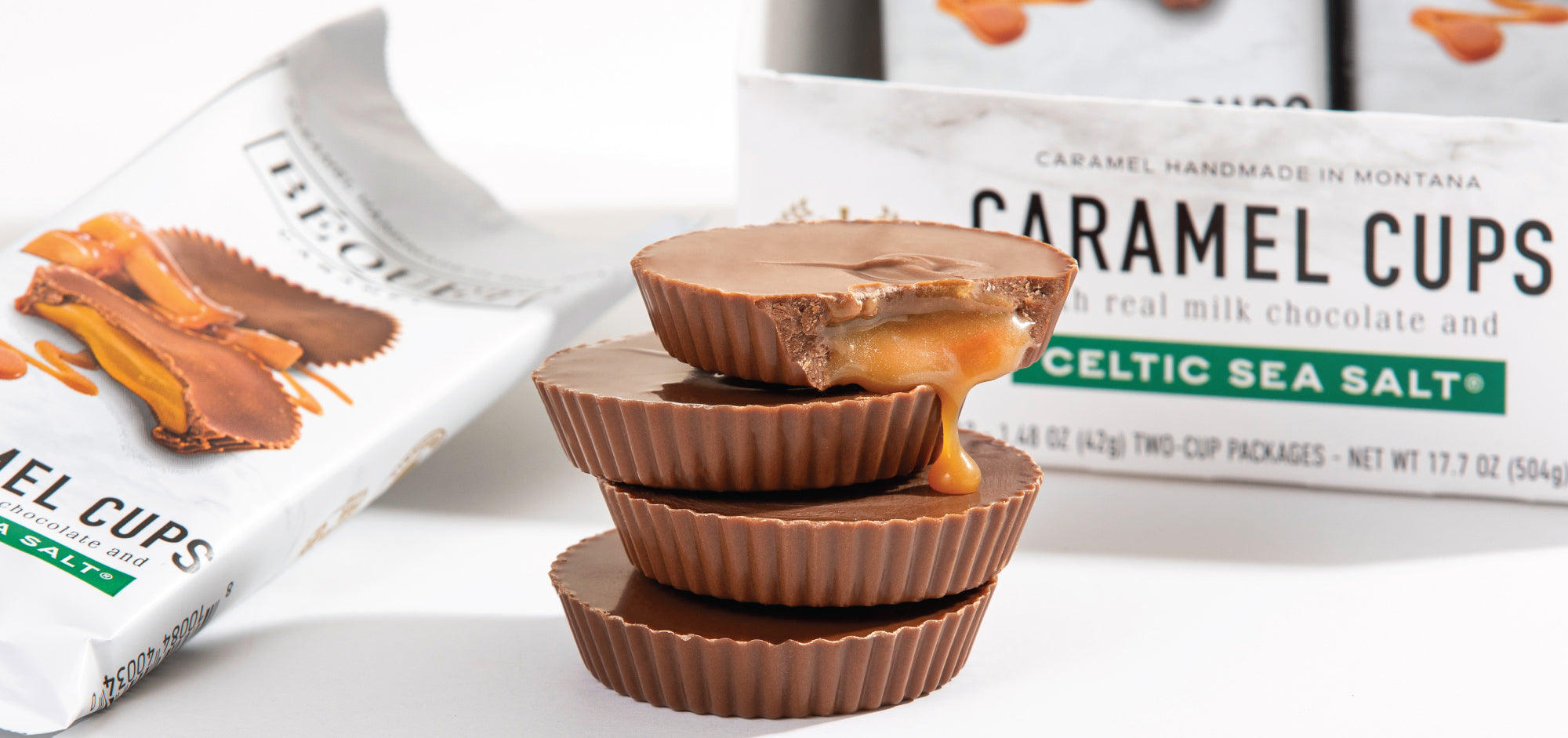
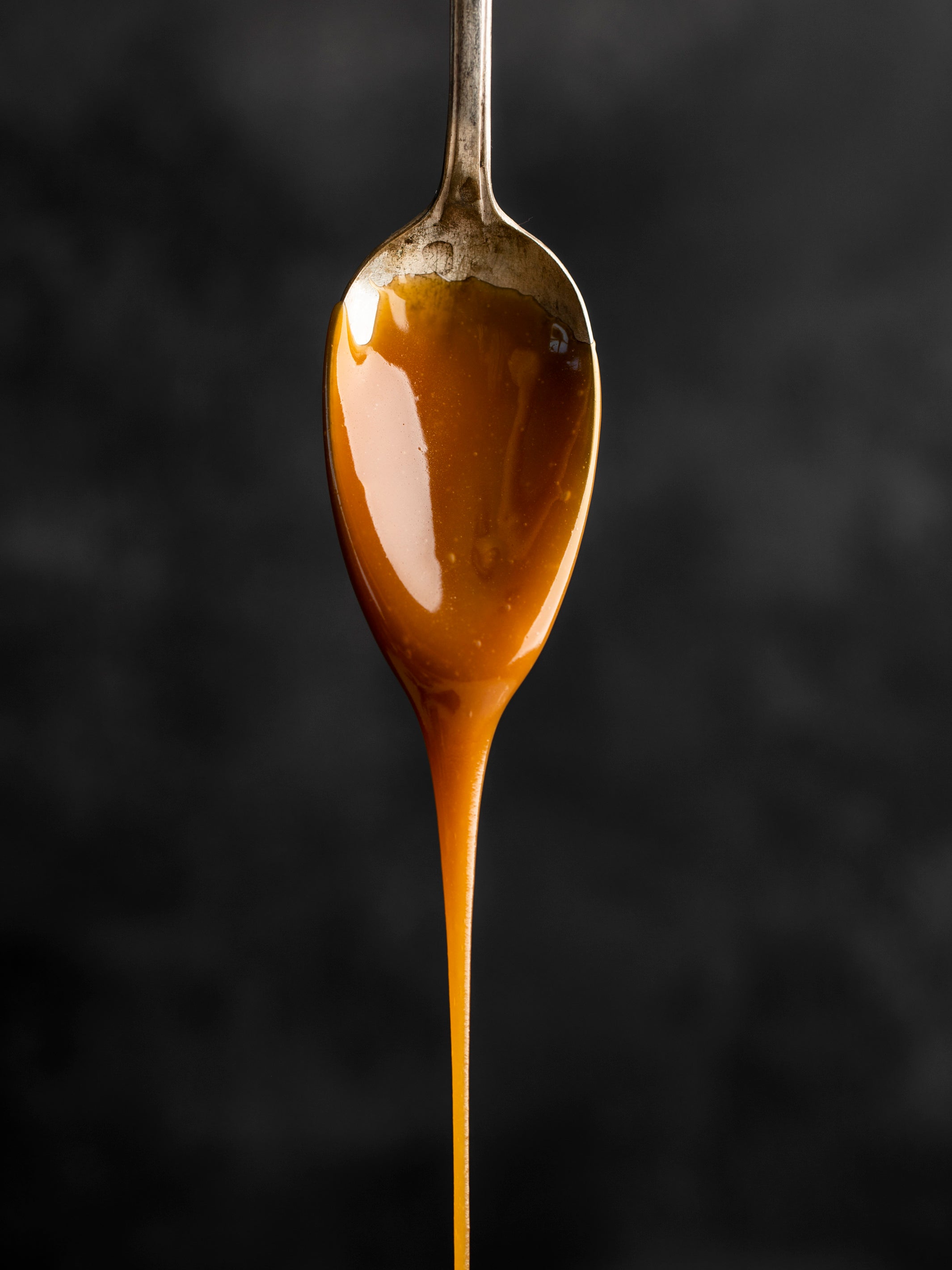
Caramel is sugar heated slowly until its molecules break down, creating a rich golden-brown color and complex flavor. The addition of butter, cream, and sometimes vanilla transforms heated sugar into something creamy and luxurious. Caramel remains soft and chewy at room temperature, melting smoothly on the tongue.
Temperature's Critical Role
The cooking process matters tremendously. When sugar reaches around 340 degrees Fahrenheit, its transformation becomes complete. Adding cream and butter after caramelization creates that signature buttery melt-in-your-mouth quality that makes quality caramel so satisfying. Béquet’s Montana caramel reflects this precision, using slow-simmered techniques and carefully selected ingredients to achieve its signature texture and flavor.
Caramel's Versatile Applications
Caramel's versatility makes it ideal for topping desserts, creating fillings, or enjoying as a standalone candy. Its soft consistency allows for easy application and consumption, whether poured over ice cream or folded into fudge.
What Defines Toffee?
Toffee's distinctive characteristics emerge from how far the sugar-butter mixture is heated.
The Hard-Crack Foundation
Toffee represents sugar and butter taken to an extreme. Cooked to the hard-crack stage, toffee becomes brittle and snaps cleanly under pressure. The higher cooking temperature creates deeper caramelization, resulting in a richer, almost nutty flavor profile. Toffee's hardness is its defining characteristic, producing that satisfying crunch when bitten.
Key Ingredient Differences
Unlike caramel, toffee typically contains no dairy, relying instead on the butter content and longer cooking time to achieve its distinctive taste. Some traditional toffee recipes include water or molasses, adding complexity to the final flavor.
Where Toffee Shines Best
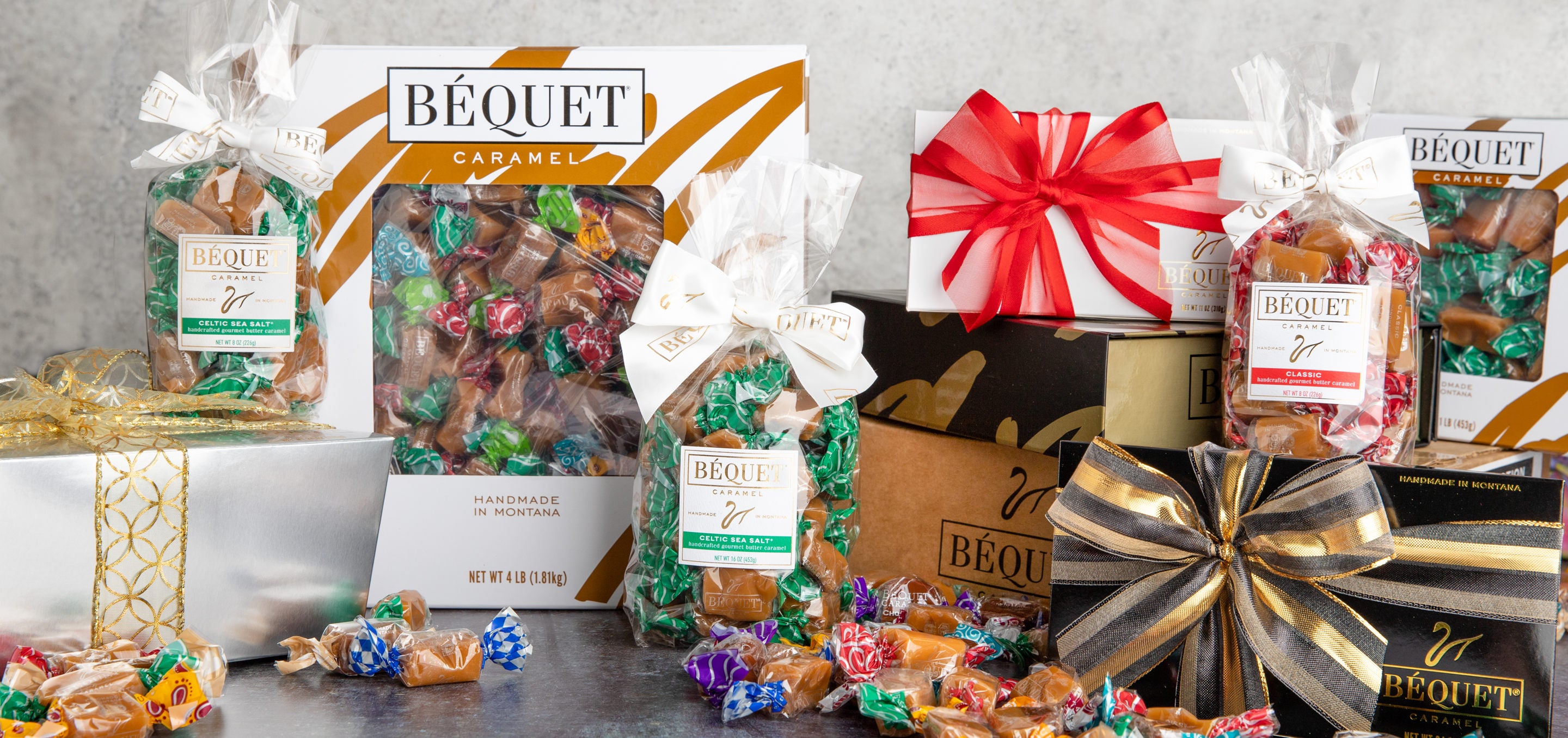
Toffee shines in applications where crunch matters. Coating nuts, enrobing in chocolate, or forming thin, brittle sheets, toffee maintains its structural integrity through its hard texture. The confection's longevity at room temperature and resistance to humidity make it practical for storage and gifting.
Comparing Temperature and Texture
Understanding the numerical differences reveals why these confections behave so differently.
The Temperature Window
Temperature control determines the fundamental difference between these confections.
|
Aspect |
Caramel |
Toffee |
|
Cooking Temperature |
340°F |
295-309°F |
|
Texture |
Soft, chewy |
Hard, brittle |
|
Key Ingredients |
Sugar, butter, cream |
Sugar, butter |
|
Flavor Profile |
Buttery, smooth, sweet |
Nutty, rich, deep |
|
Break Behavior |
Bends, stretches |
Snaps, cracks |
|
Common Uses |
Sauce, filling, candy |
Brittle, nuts coating |
How Precision Matters
The temperature window explains everything. When reaching 340 degrees with sugar and cream added at the right moment, you get caramel. Stop earlier at the hard-crack stage without dairy, and you get toffee. Béquet's slow-simmered caramel maintains precise control throughout this process, delivering consistent quality across every batch.

How Béquet's Caramel Demonstrates These Principles
Each Béquet variety embodies the temperature control and ingredient mastery that distinguish quality caramel.
Showcasing Variety and Craftsmanship
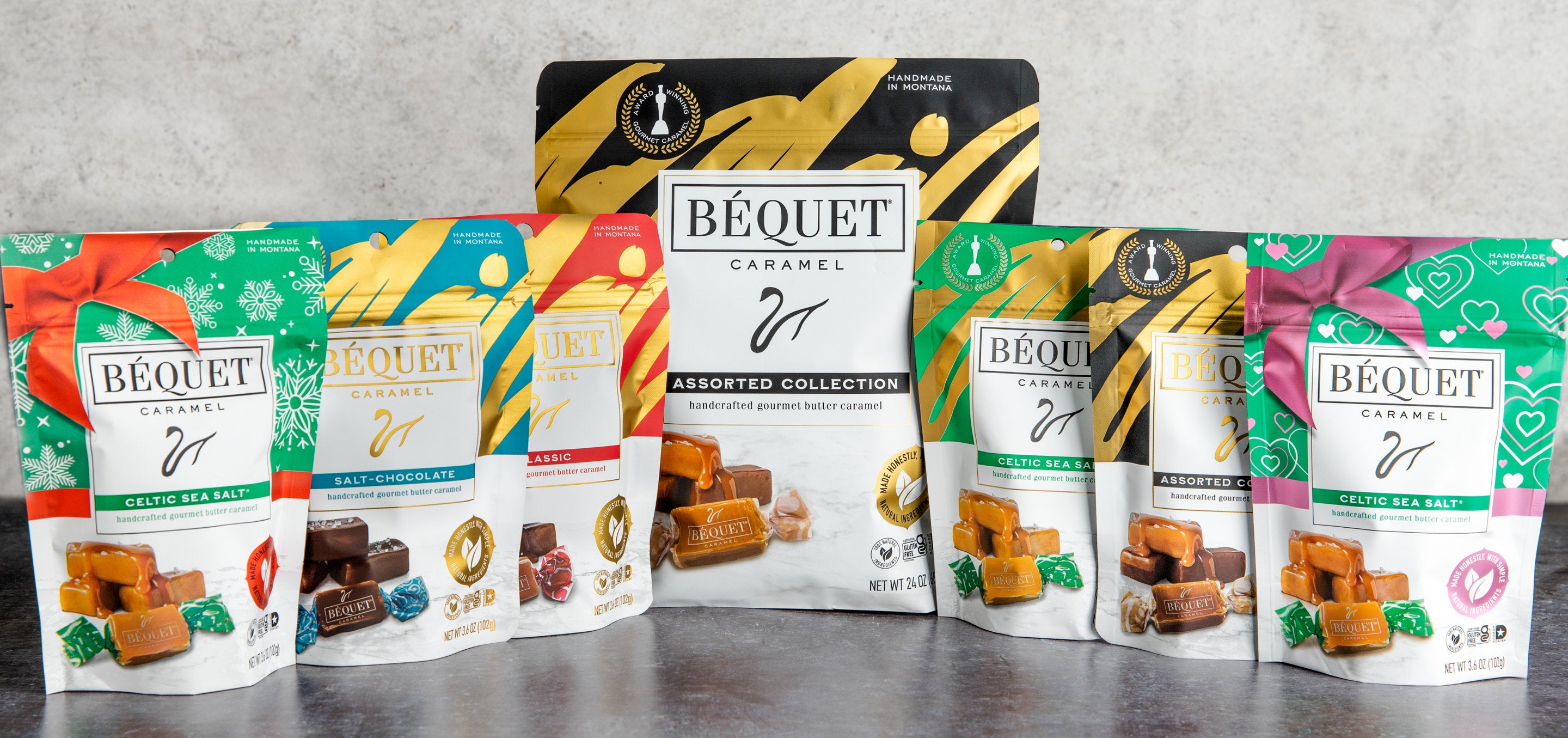
Béquet crafts gourmet caramel, recognizing that temperature precision and ingredient quality determine results. Each variety, from our signature Celtic Sea Salt® Caramel to Salted Butterscotch, showcases how careful heating and natural ingredients create confections worthy of their national award recognition.
The Art of Flavor Layering
Our Classic Vanilla represents the traditional approach, where slow simmering and premium ingredients combine to create a smooth texture and buttery flavor. Meanwhile, Salted Mocha demonstrates how caramel's soft consistency accommodates multiple flavor layers, something toffee's brittle nature cannot achieve.
The Pace of Precision
Temperature control matters because rushing the process changes everything. At Béquet, we honor the craft through deliberate pace and attention, ensuring each batch reaches the perfect stage for its intended result.
The Sweet Payoff
Understanding caramel and toffee deepens appreciation for confectionery craftsmanship. Temperature, ingredients, and time create these distinct treats, each valuable in different contexts. Whether you're drawn to caramel's smooth elegance or toffee's satisfying snap, both represent sugar transformed through skill and patience.
Béquet's gourmet caramel, made in Montana using all-natural ingredients and small-batch methods, invites you to experience what precision and quality taste like. From Classic Vanilla to sophisticated Salt-Chocolate blends, our caramels demonstrate how careful craft creates confections worth savoring, one piece at a time.
Frequently Asked Questions
1. Are caramel and toffee interchangeable in recipes?
Not entirely. Caramel's soft texture and dairy content work for sauces and fillings, while toffee's hardness suits applications requiring crunch and structural integrity. A recipe calling for caramel sauce cannot use toffee without significant adjustment.
2. Which contains more sugar?
Both confections use comparable sugar amounts. The difference lies in what happens to that sugar during cooking. Higher temperatures create toffee's harder crystalline structure, while lower temperatures with cream produce caramel's creamy consistency.
3. Can you make caramel into toffee?
Yes, technically. Continuing to heat caramel beyond 340 degrees pushes it toward toffee territory, though pure toffee traditionally contains no cream. The process requires careful monitoring to avoid burning.
4. What's the best storage method for each?
Caramel keeps refrigerated for weeks and maintains quality when stored in airtight containers. Toffee, being harder and less moisture-sensitive, tolerates room temperature storage better and resists humidity more effectively.
5. How do taste differences affect candy selection?
Caramel offers nuanced sweetness and buttery depth, appealing to those seeking refined flavor complexity. Toffee delivers richer, almost burnt-sugar notes with pronounced crunch. Personal preference drives the choice.
6. Is toffee the same as caramel?
No. Both are made from sugar and butter, but toffee is cooked to 300–310°F (hard-crack stage) and contains no cream, making it hard and brittle. Caramel is cooked to 240–250°F with cream or milk added, giving it a soft, chewy texture.
7. What is the color difference between toffee and caramel?
Both toffee and caramel range from golden to amber-brown, but toffee is typically darker due to its higher cooking temperature and longer caramelization time. Caramel color can vary widely depending on how long the sugar is cooked and whether cream is added.
8. Is toffee salty?
Traditional toffee is not inherently salty, though many recipes add a pinch of salt to balance the sweetness of the caramelized sugar and butter. Salted toffee varieties are common, particularly in chocolate-covered toffee bars and gourmet confections.